Chimney Repointing Guide
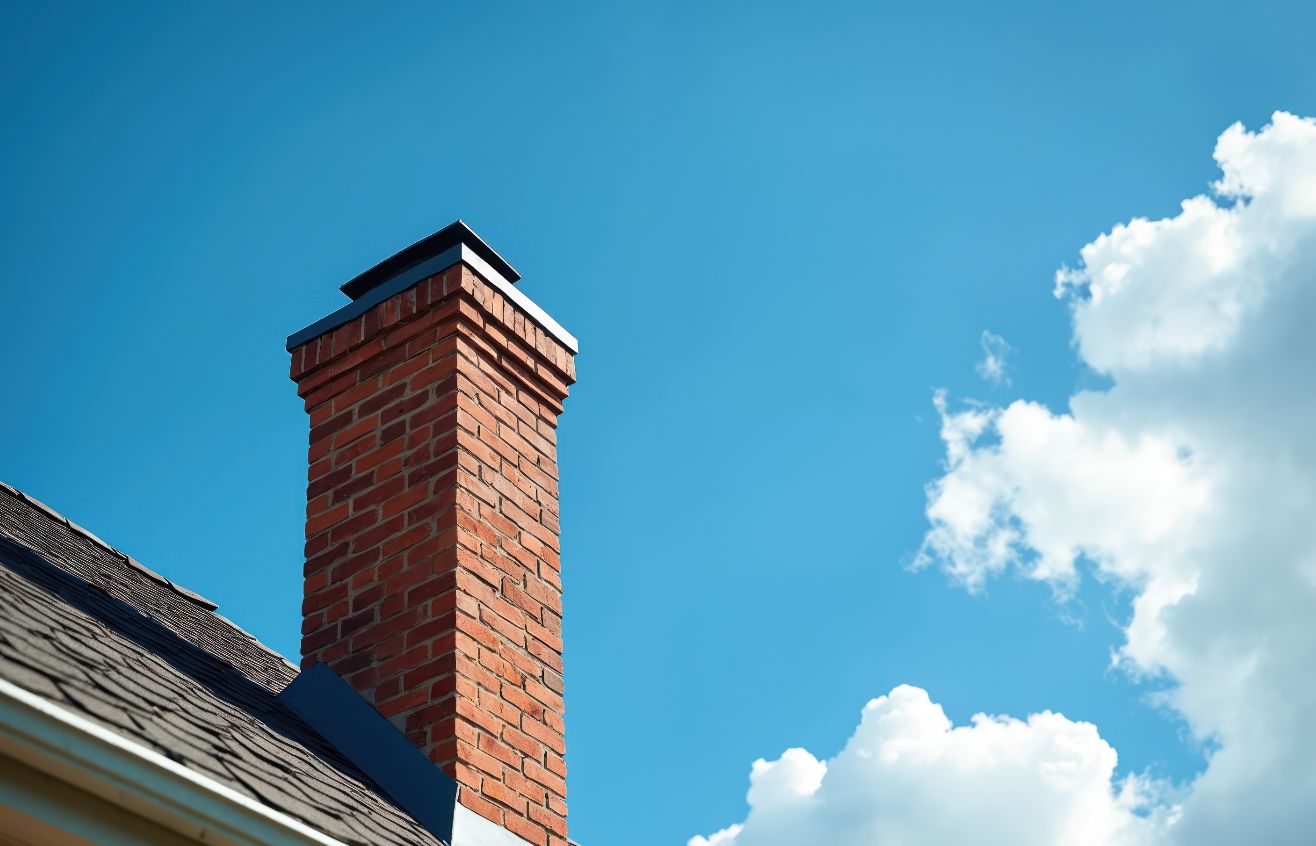
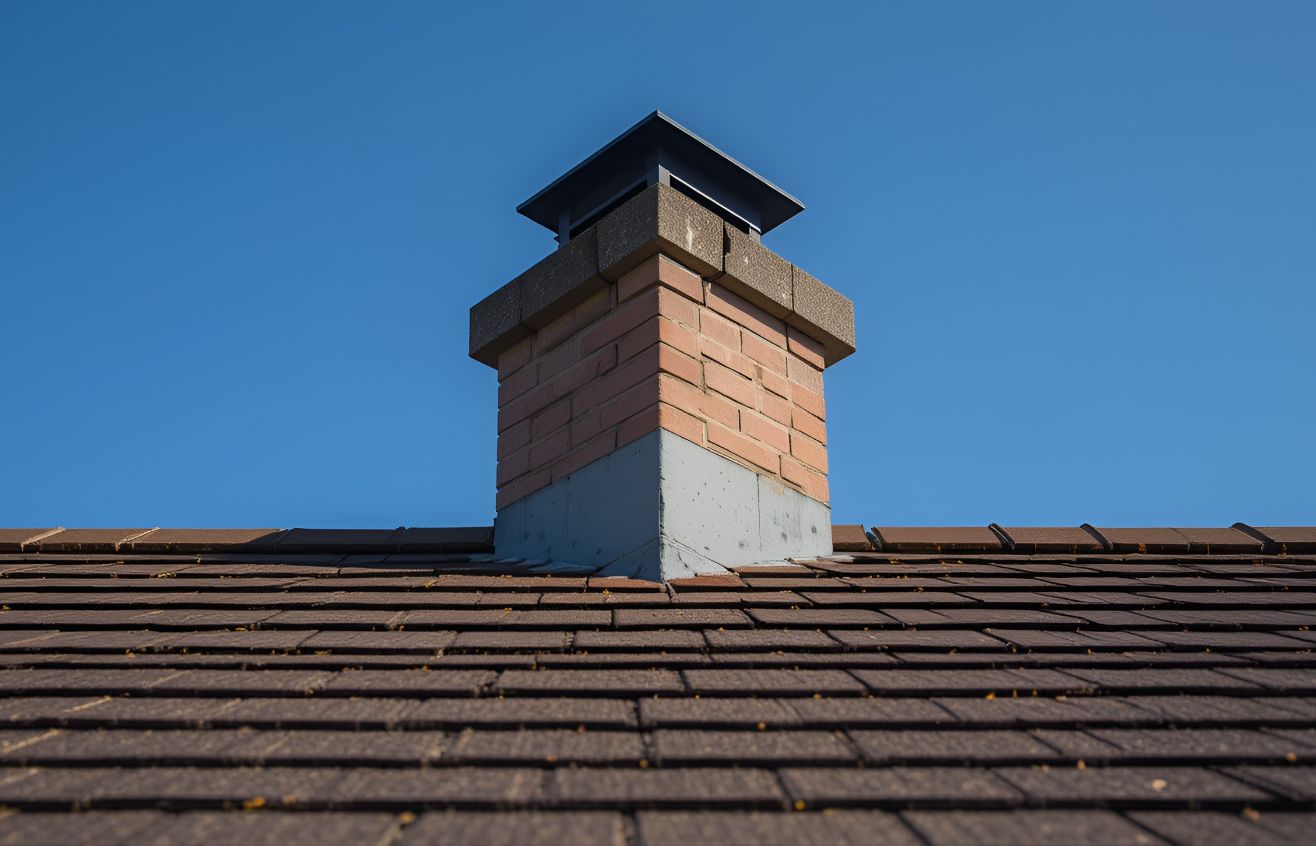
Chimney repointing is one of the most common chimney masonry repairs and is essential for maintaining the structure and safety of a brick chimney. Over time, the mortar joints between the bricks begin to deteriorate due to weather exposure, moisture, and freeze thaw cycles. Repointing restores these mortar joints and helps prevent further chimney damage.
What Is Chimney Repointing
Chimney repointing is the process of removing damaged or deteriorated mortar from between the bricks and replacing it with new mortar. The goal is to restore the structural integrity of the chimney and prevent water from entering the masonry.
Mortar typically deteriorates faster than brick, so repointing allows the chimney to be repaired without replacing the bricks themselves. This helps extend the life of the chimney and prevents more expensive repairs in the future.
Signs Your Chimney Needs Repointing
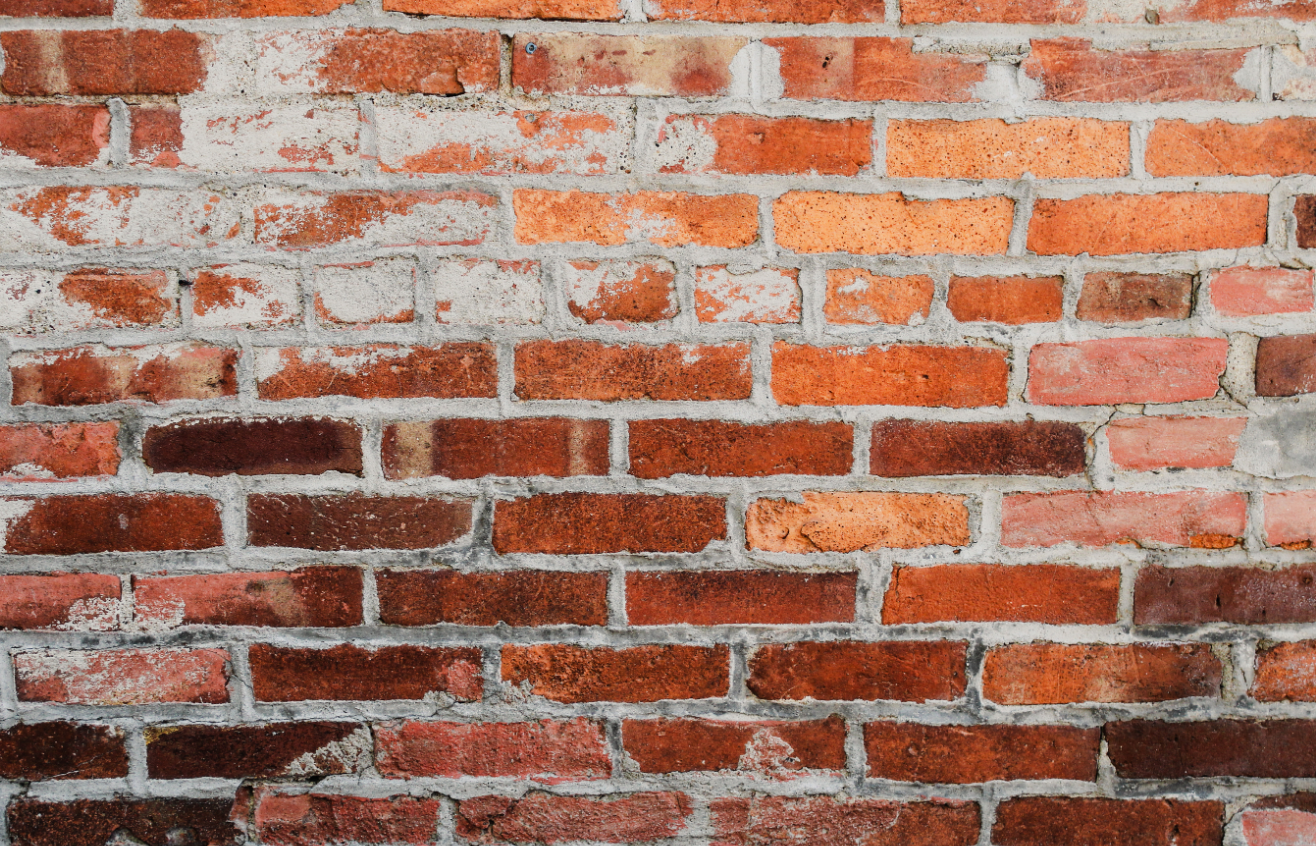
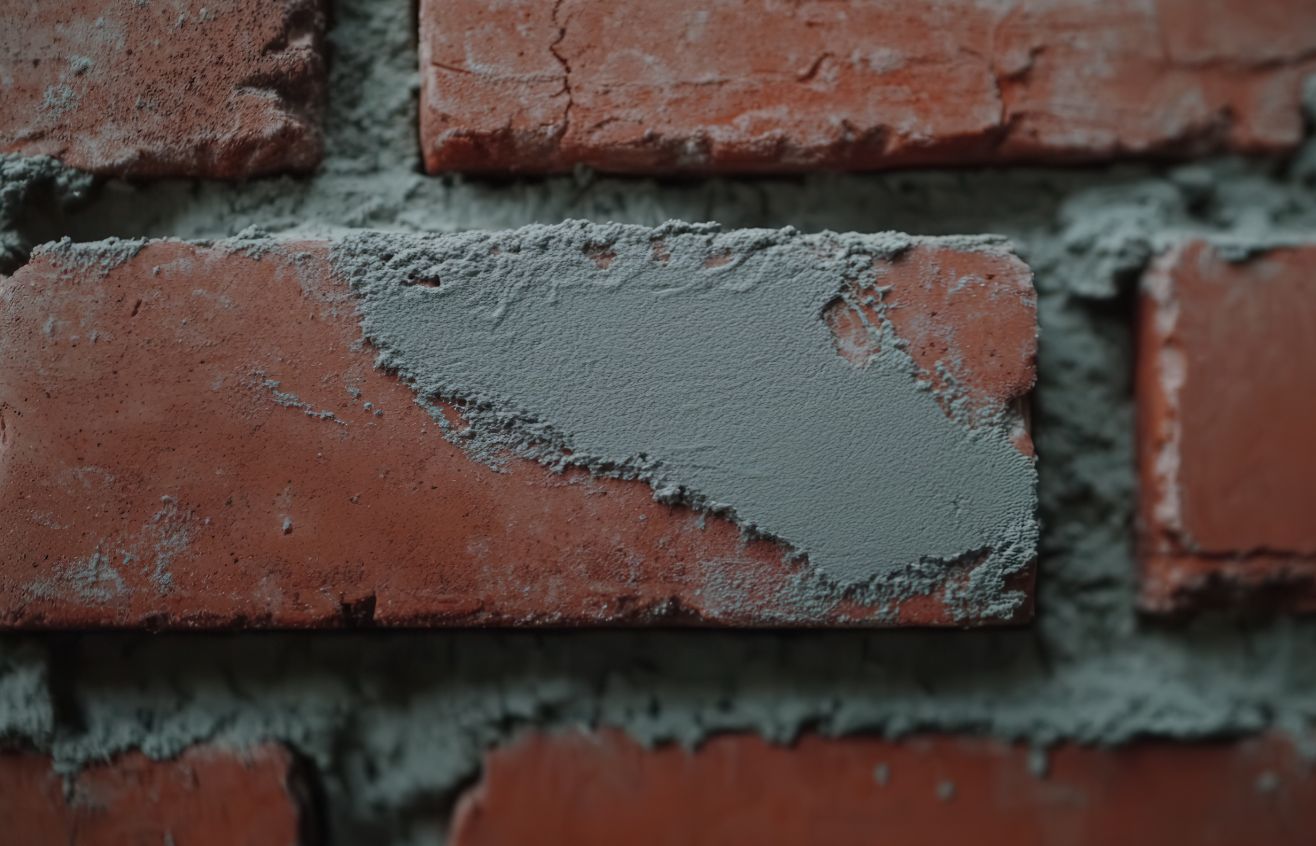
There are several signs that indicate a chimney may need repointing. One of the most common signs is crumbling or missing mortar between the bricks. You may also notice loose bricks, gaps between mortar joints, or small pieces of mortar falling from the chimney.
Other signs include water leaks around the fireplace, white powder on the brick, cracked mortar joints, or visible gaps between bricks. If mortar can be easily scraped out with a screwdriver or feels soft and powdery, repointing is usually needed.
Why Chimney Repointing Is Important
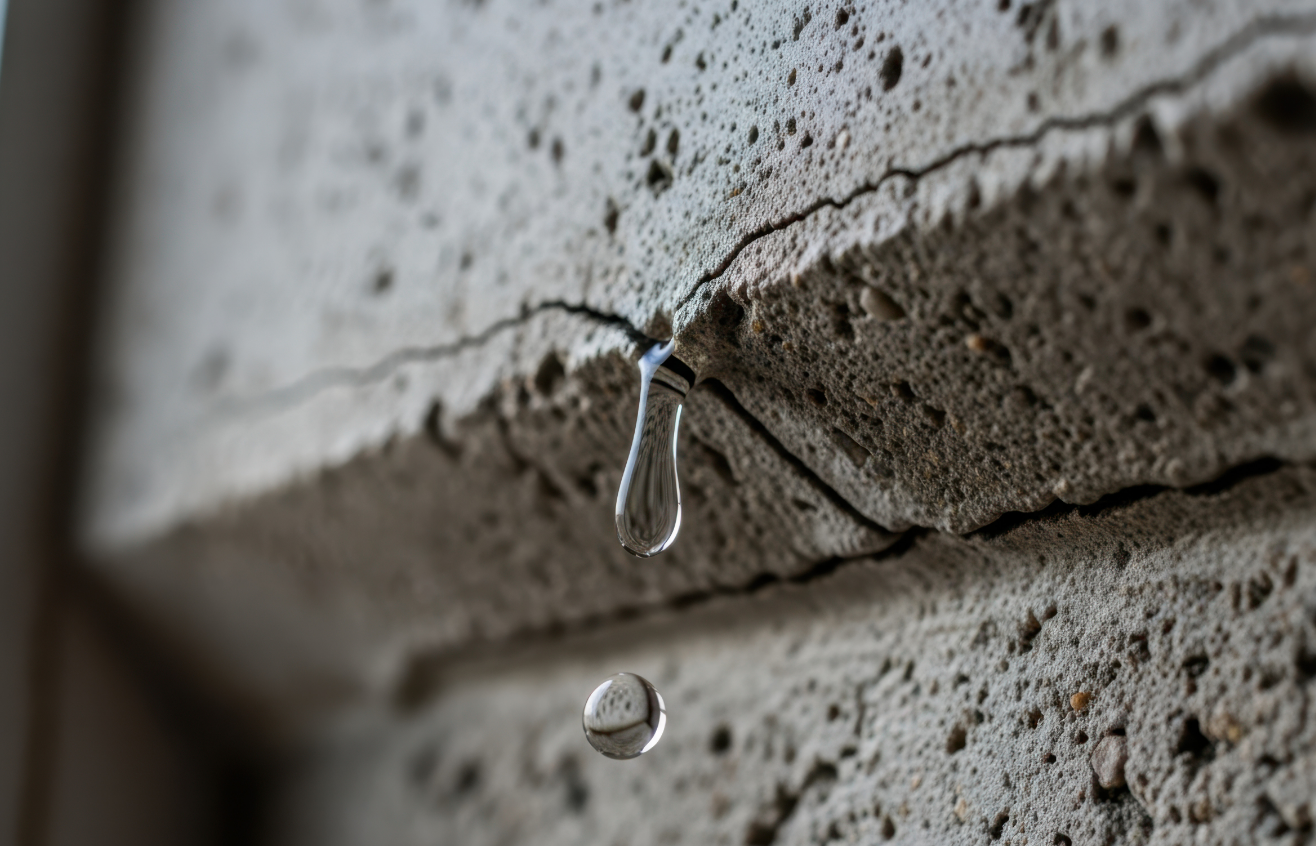
Mortar joints help hold the chimney together and keep water out of the masonry structure. When mortar deteriorates, water can enter the chimney and cause brick damage, interior leaks, mold, and structural issues.
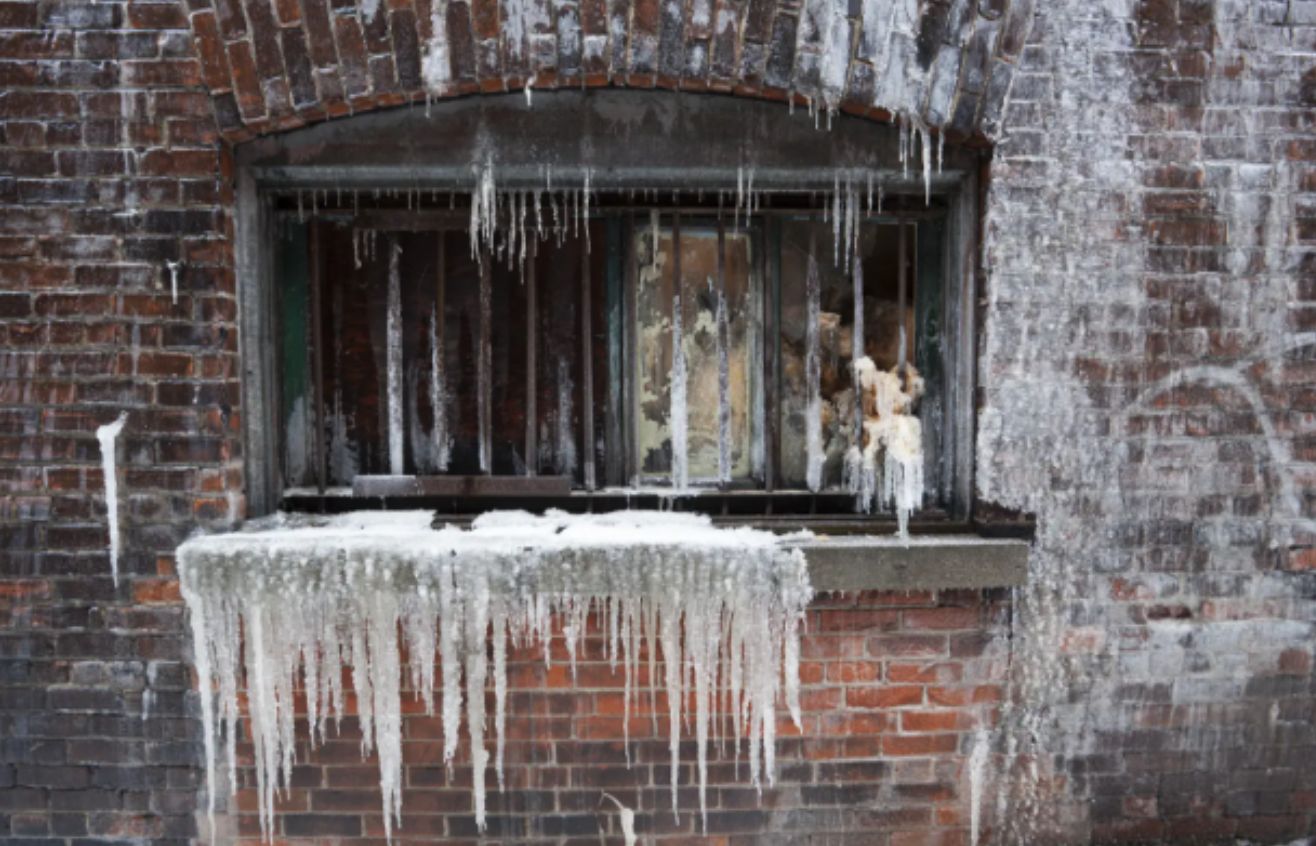
In colder climates, water inside mortar joints freezes and expands, which causes more cracking and deterioration. This freeze thaw cycle is one of the main reasons chimney repointing is needed over time.
Repointing helps strengthen the chimney, prevent water damage, and extend the life of the masonry.
The Chimney Repointing Process
The chimney repointing process begins with removing the old damaged mortar from the joints between the bricks. This is done carefully to avoid damaging the surrounding brick. Once the old mortar is removed, new mortar is applied and tooled to match the existing mortar joints.
The new mortar is then allowed to cure properly before the chimney is sealed or waterproofed if needed. Proper mortar matching is important so the repair blends in with the existing chimney.
Chimney Repointing vs Chimney Rebuild
Repointing is usually recommended when the bricks are still in good condition but the mortar has deteriorated. If the bricks are severely damaged, leaning, or the chimney structure is failing, a partial rebuild or full chimney rebuild may be required instead.
Repointing is a much more affordable repair compared to rebuilding a chimney and can extend the life of a chimney by many years when done properly.
Final Thoughts
Chimney repointing is an important maintenance and repair service that helps protect chimneys from water damage and structural deterioration. If mortar joints are cracked, missing, or crumbling, repointing should be completed before more serious chimney damage occurs.
Regular chimney inspections and maintenance can help identify mortar deterioration early and prevent costly chimney repairs or rebuilds in the future.
.png)
.png)
.png)



.png)
.png)




.png)
.png)







.jpg)
.jpg)
.jpg)
.jpg)
.jpg)
.jpg)
.jpg)
.jpg)
.jpg)
.jpg)
.jpg)
.jpg)
.jpg)
.jpg)
.jpg)
.jpg)
.jpg)
.jpg)
.jpg)
.jpg)
.jpg)
.jpg)
.jpg)
.jpg)
.jpg)
.jpg)
.jpg)
.jpg)
.jpg)
.jpg)
.jpg)
.jpg)
.jpg)

Contact Us For A Free Consultation
Have questions or ready to start your masonry restoration project? Our dedicated team of masonry experts are here to help. Whether you’re exploring historical restoration, custom masonry modifications, or need expert brick repair, we’re just a call or click away.