Lime Mortar vs. Cement Mortar: Why Older Ontario Homes Need the Right Mix
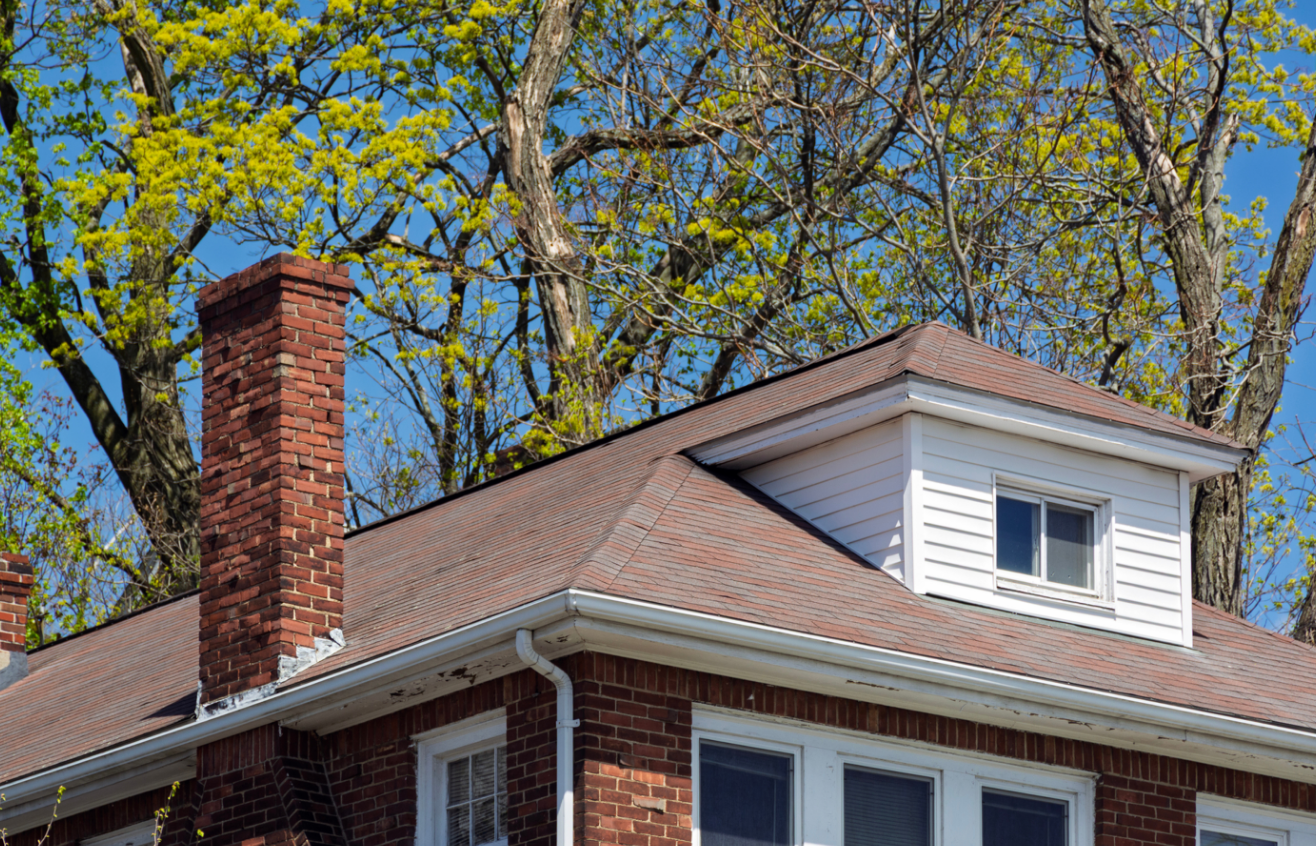
If you own a century home in Ontario, the mortar between your bricks may be more important than the bricks themselves. And one of the most common ways older homes get damaged is not age or weather. It is repairs done with the wrong mortar.
Here is the difference between lime mortar and modern cement mortar, why it matters, and how to make sure repairs on an older home are done right.
What Mortar Is Supposed to Do
Mortar holds bricks or stones together, but it also has another job. It is meant to be the weakest, softest part of the wall.
That sounds odd, but it is by design. When a wall moves, the mortar should crack instead of the brick. When moisture moves through the wall, it should escape through the mortar joints instead of being forced through the brick face. Mortar is meant to wear out and be replaced every few decades, while the brick lasts for a century or more.
What Is Lime Mortar?
Lime mortar is made from lime, sand and water. It was the standard mortar for brick and stone buildings in Ontario until the early to mid 1900s.
Lime mortar is:
- Soft, softer than most historic brick
- Breathable, letting moisture move through and evaporate
- Flexible, able to handle small movements without cracking the brick
- Self healing to a degree, as lime can slowly reseal very fine cracks
These qualities are exactly what older, softer brick needs.
What Is Cement Mortar?
Modern mortar is made with Portland cement, often mixed with some lime. It became common through the 20th century because it sets faster and is much stronger.
That strength works well with modern, hard, fired brick and concrete block. The problem is when it is used on older buildings.
What Happens When Cement Mortar Is Used on Old Brick
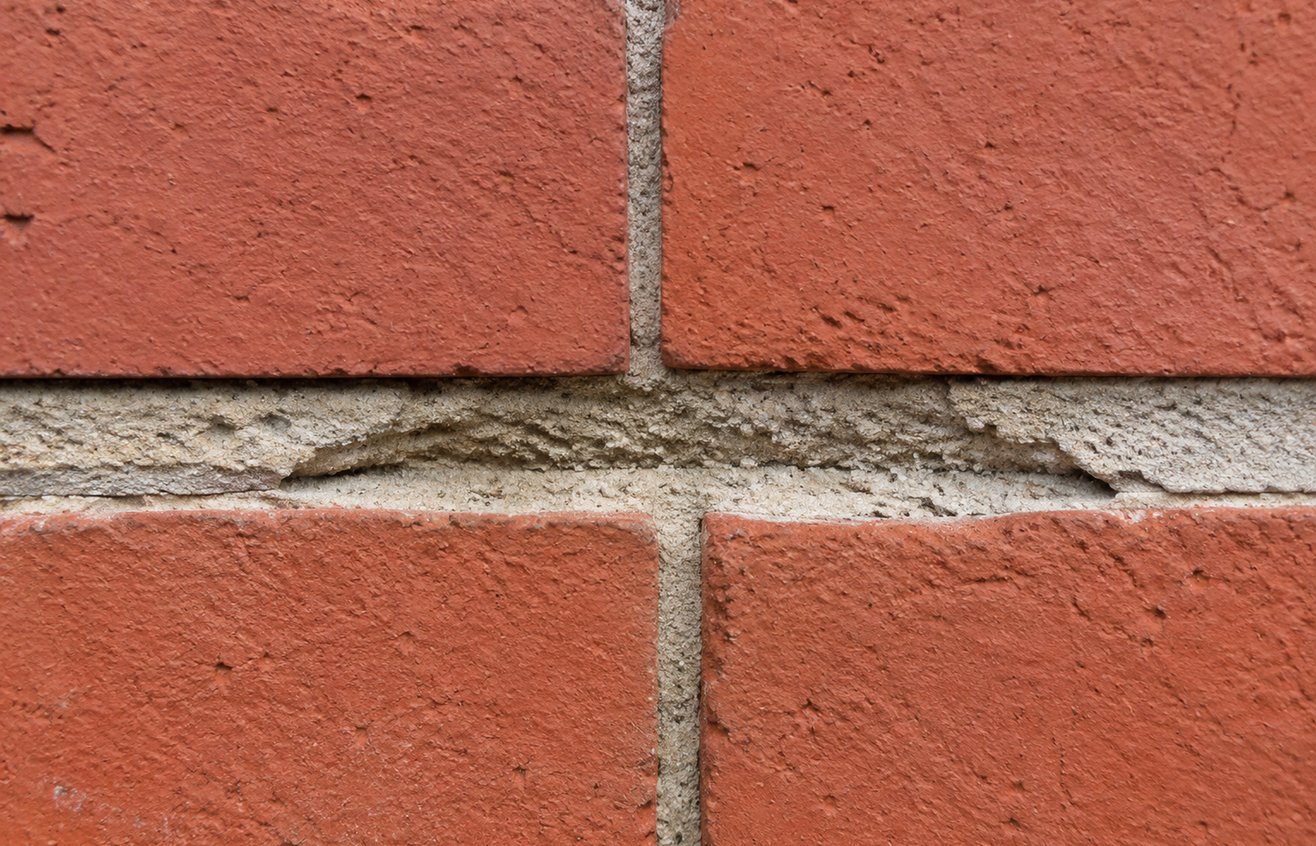
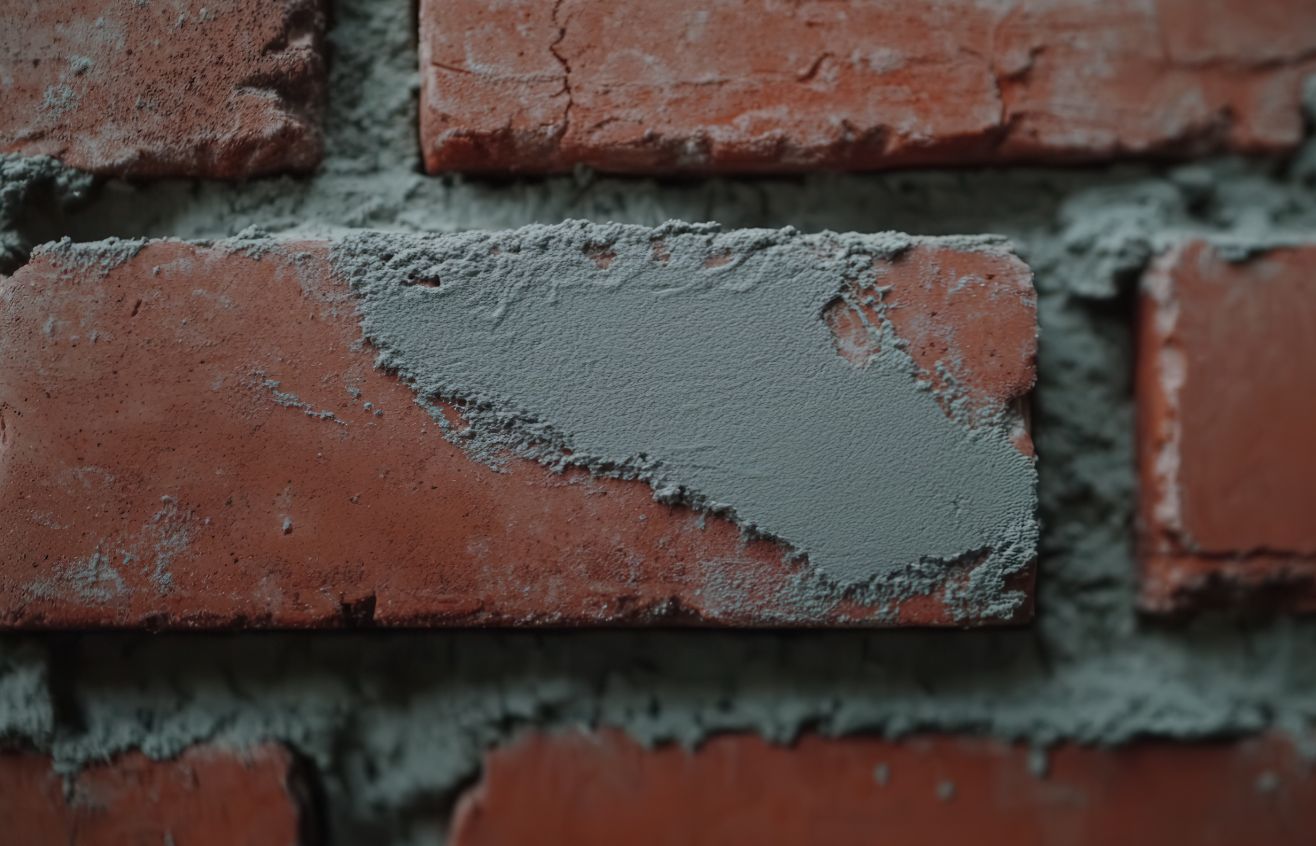
When hard cement mortar is used to repoint a wall of soft historic brick, the roles reverse. The mortar is now harder than the brick and less breathable.
Over time this leads to:
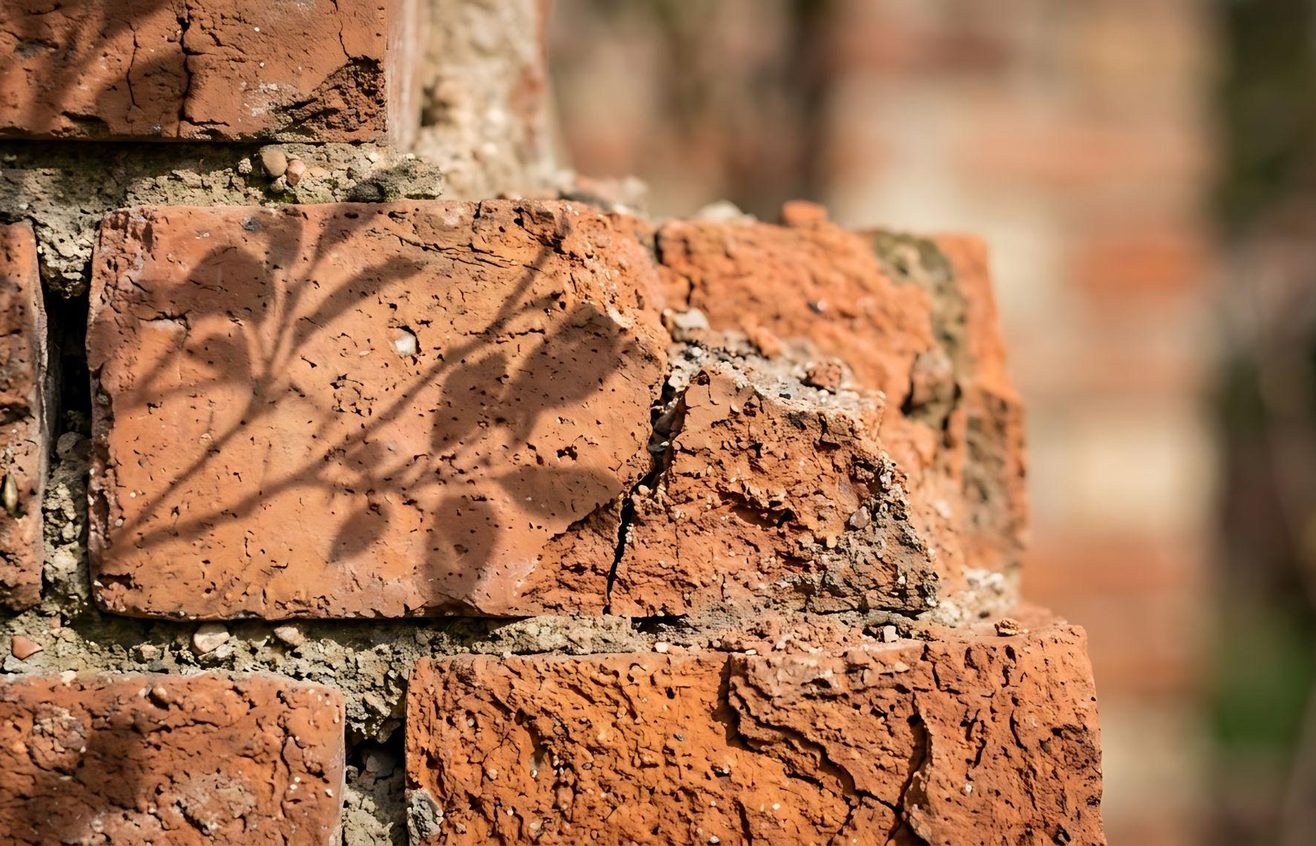
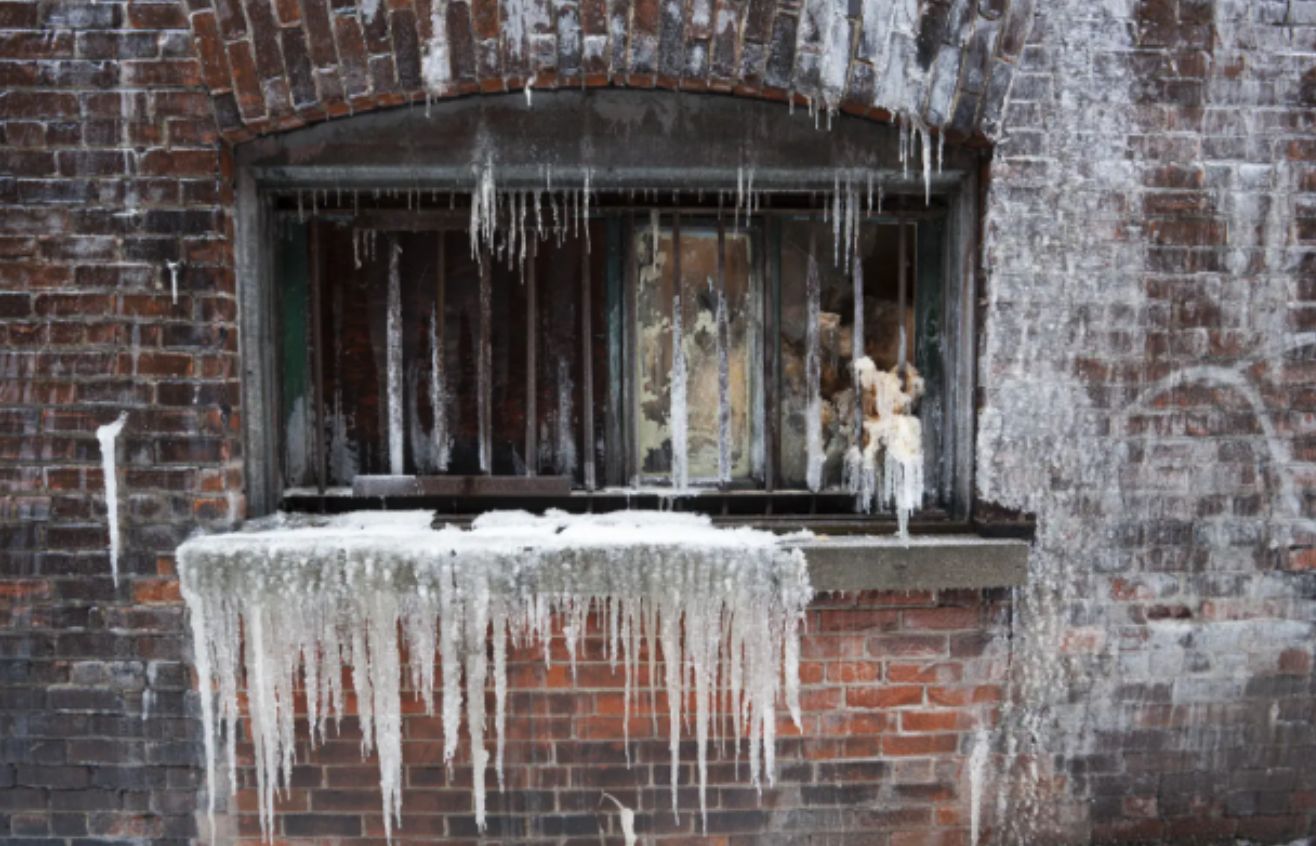
- Spalling brick. Moisture that can no longer escape through the joints moves through the brick face instead. When it freezes, the face pops off.
- Cracked brick edges. As the wall expands and contracts, the hard mortar does not give, so the edges of the brick crack.
- Trapped moisture. Dampness stays in the wall longer, which can show up as efflorescence, interior damp spots or deteriorating plaster.
- Damage that cannot be undone. Once a brick face spalls, the brick has to be replaced. Old brick can be very difficult to match.
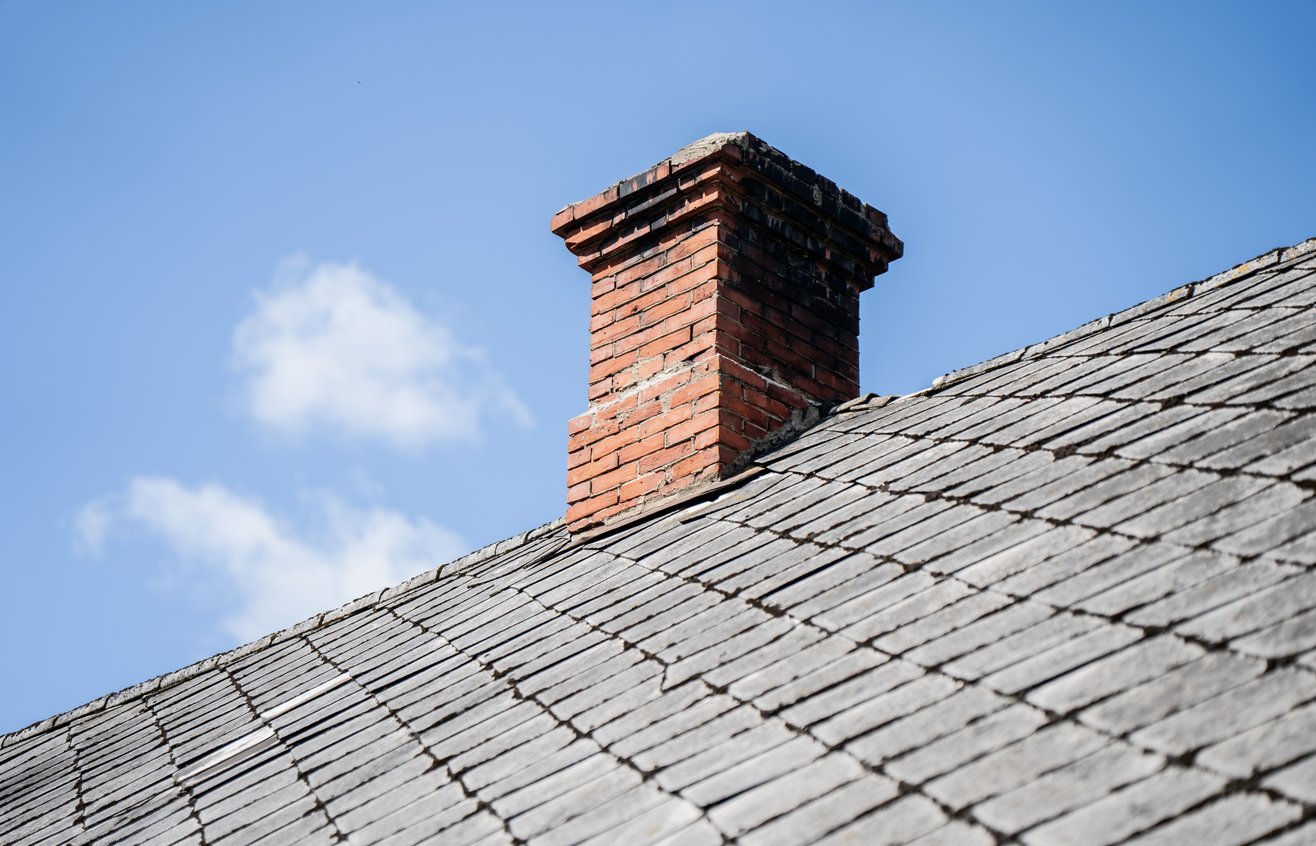
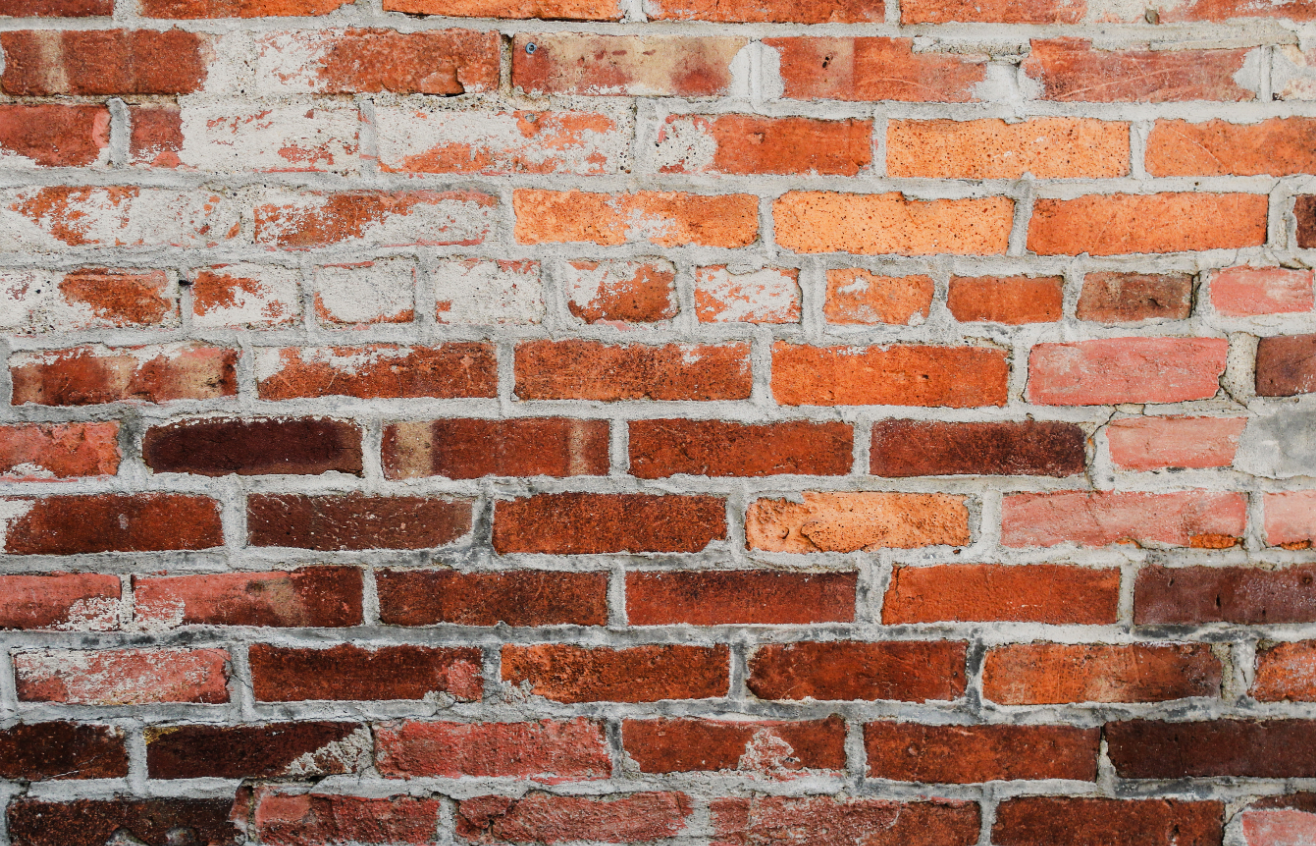
This is why you will often see century homes where the mortar looks perfect but the bricks around it are crumbling.
How to Tell Which Mortar Your Home Has
A few clues:
- Age of the home. Homes built before about 1930 were very often built with lime mortar.
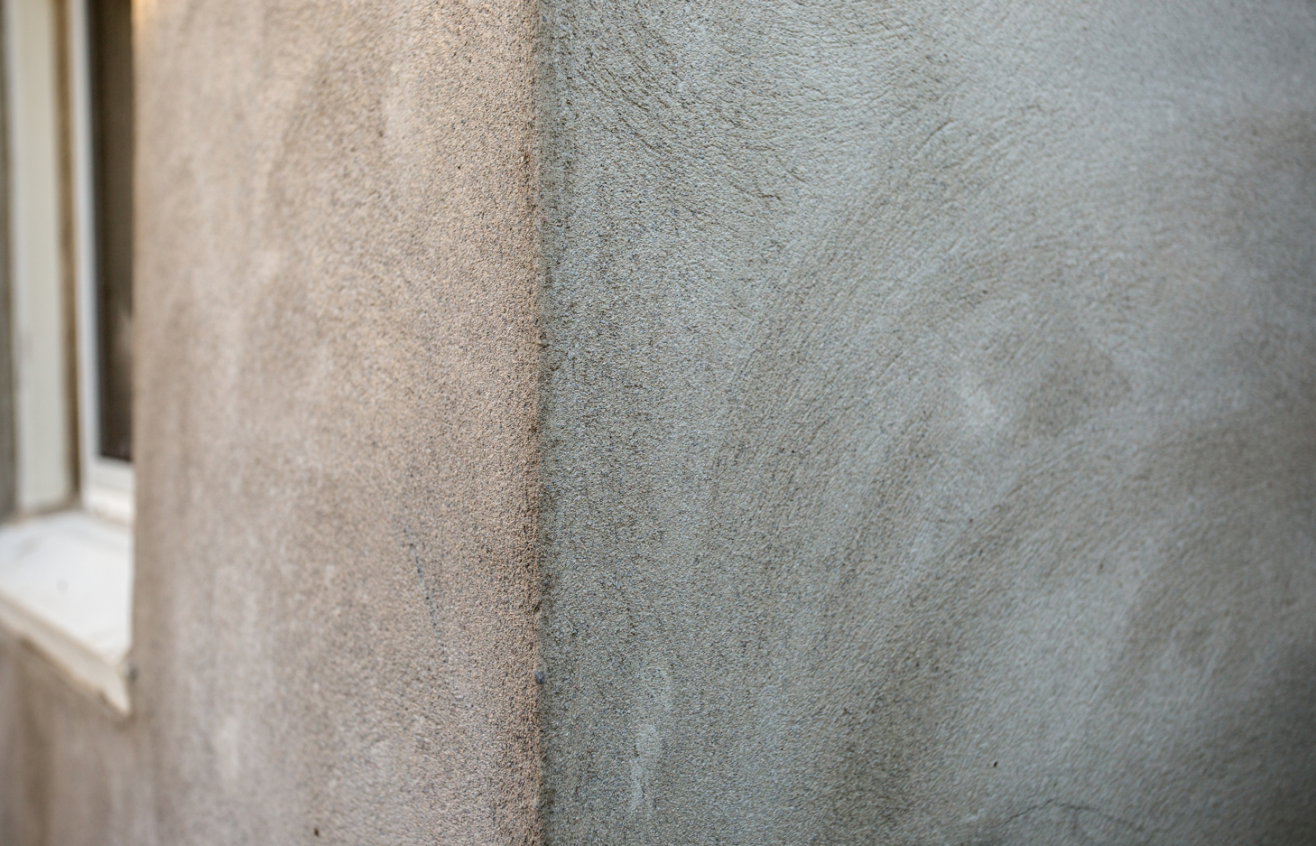
- Texture. Lime mortar is usually softer and can sometimes be scratched with a key. Cement mortar is very hard and grey.
- Colour. Original lime mortar is often a warm white, buff or sandy colour. Grey, smooth joints often mean a later cement repair.
- Brick damage pattern. Crumbling brick next to crisp, hard joints is a warning sign of incompatible repairs.
A mason with heritage experience can assess the mortar and, if needed, have it analyzed to match the original mix.
Doing Repointing Right on an Older Home
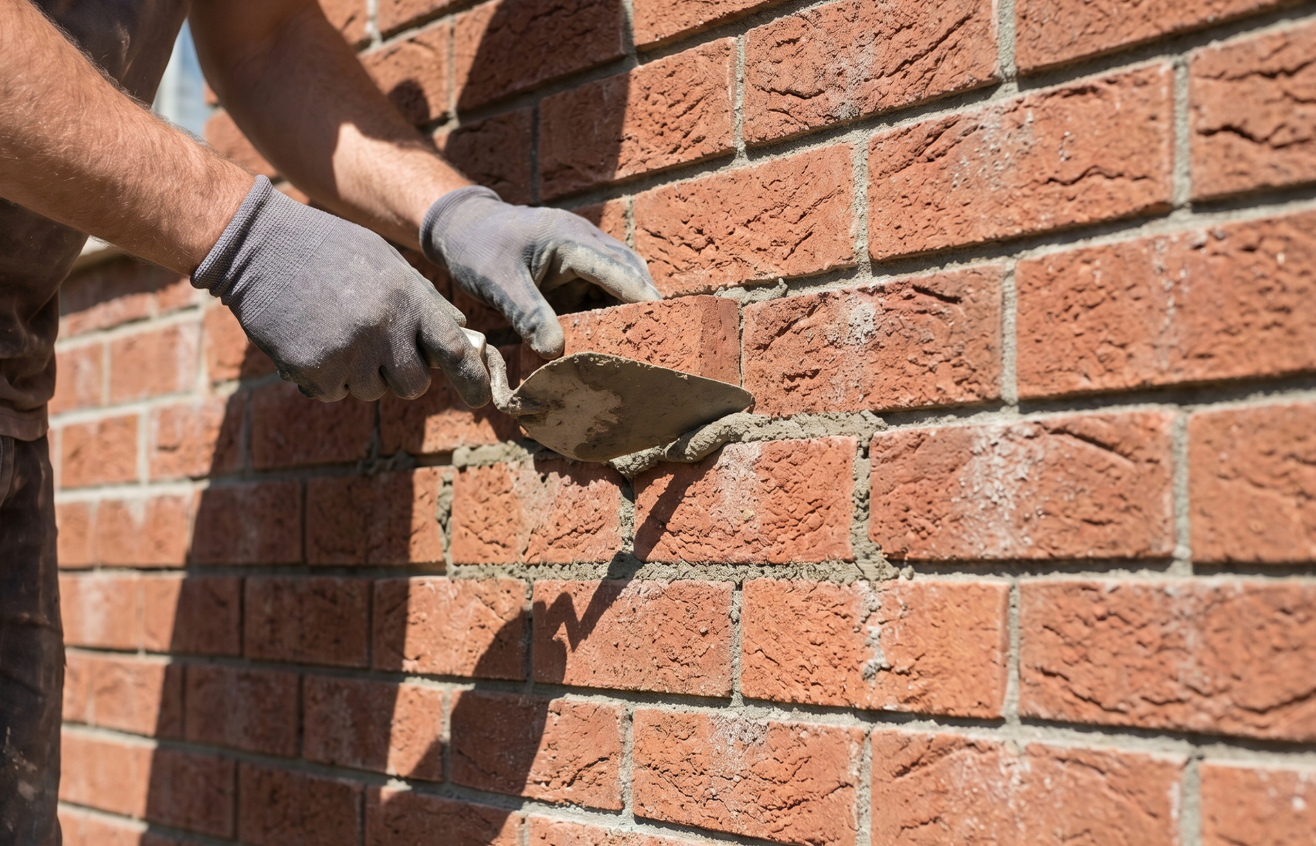
Proper repointing on a heritage building includes:
- Removing failed mortar by hand or with careful tools, without damaging brick edges
- Matching the new mortar to the original in strength, colour and texture
- Using a lime based mix that is softer than the brick
- Matching the original joint profile
- Curing the mortar slowly and protecting it from frost, sun and rain
Lime mortar takes longer to cure and needs the right conditions, so timing matters. Work late in the season must be planned and protected carefully.
Can Cement Repairs Be Reversed?
In many cases, yes. Hard cement mortar can be carefully removed and replaced with lime mortar, though it takes patience because the hard material is tougher to cut out without damaging the brick. Bricks that have already spalled can be replaced with matched or reclaimed brick.
The sooner it is caught, the more original brick can be saved.
Heritage Masonry Restoration in Barrie, Simcoe County and the GTA
Chameleon Masonry restores heritage brick and stone homes across Barrie, Simcoe County, Newmarket, Aurora, Markham, Vaughan, Kleinburg and Woodbridge, using lime mortar and methods that suit older buildings.
We assess your mortar and brick, match the original materials and repair your walls in a way that protects them for the next hundred years.
Contact Chameleon Masonry today to request a quote for heritage masonry restoration.




















Contact Us For A Free Consultation
Have questions or ready to start your masonry restoration project? Our dedicated team of masonry experts are here to help. Whether you’re exploring historical restoration, custom masonry modifications, or need expert brick repair, we’re just a call or click away.