What Is Parging and Why Does Your Foundation Need It?
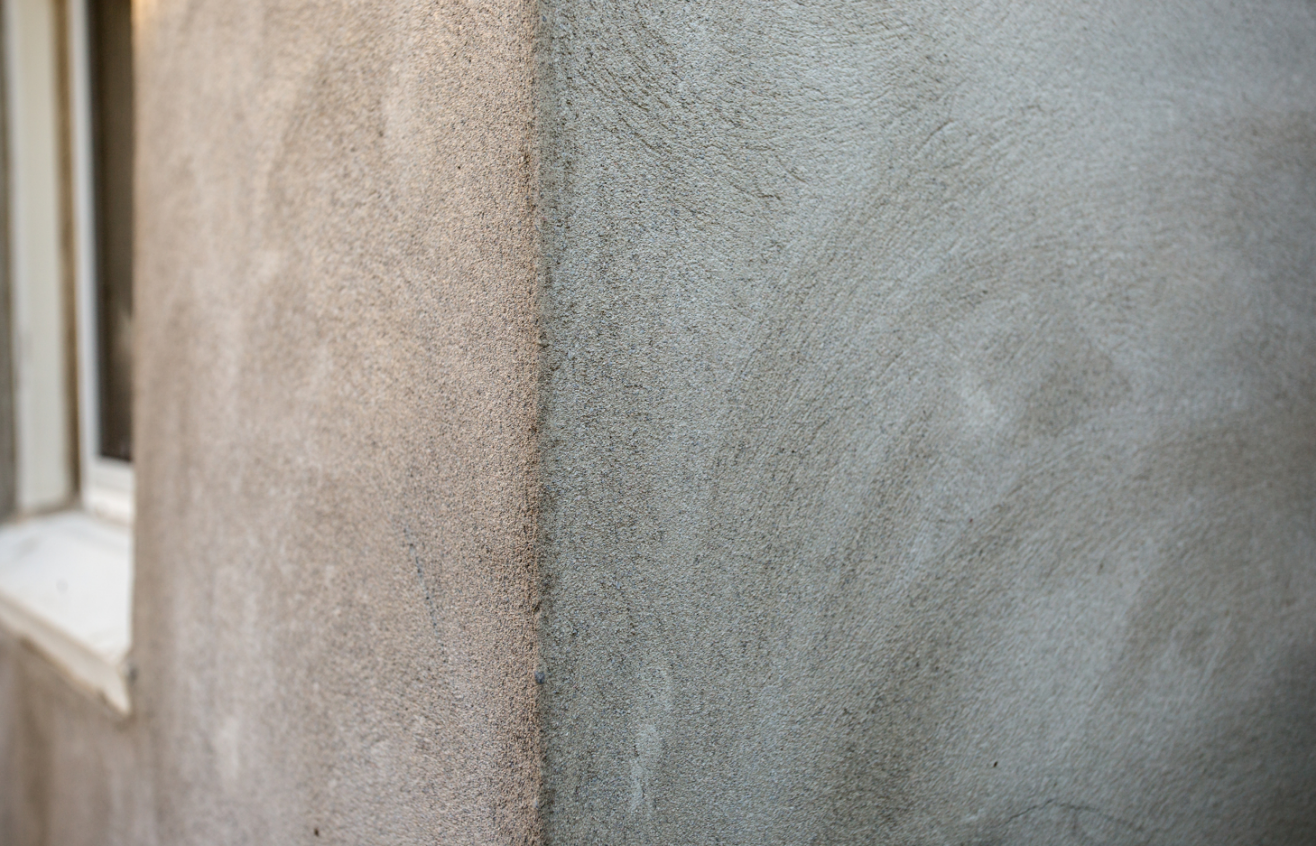
If you have ever noticed a smooth, cement-like coating on the lower portion of a home's foundation wall, you have seen parging. It is one of those parts of a home that often goes unnoticed until it starts to crack, crumble, or fall away.
Parging serves both a protective and aesthetic purpose, helping shield foundation walls from moisture while providing a clean, finished appearance. Understanding how it works and why it fails can help homeowners address issues before they become larger and more costly repairs.
What Is Parging?
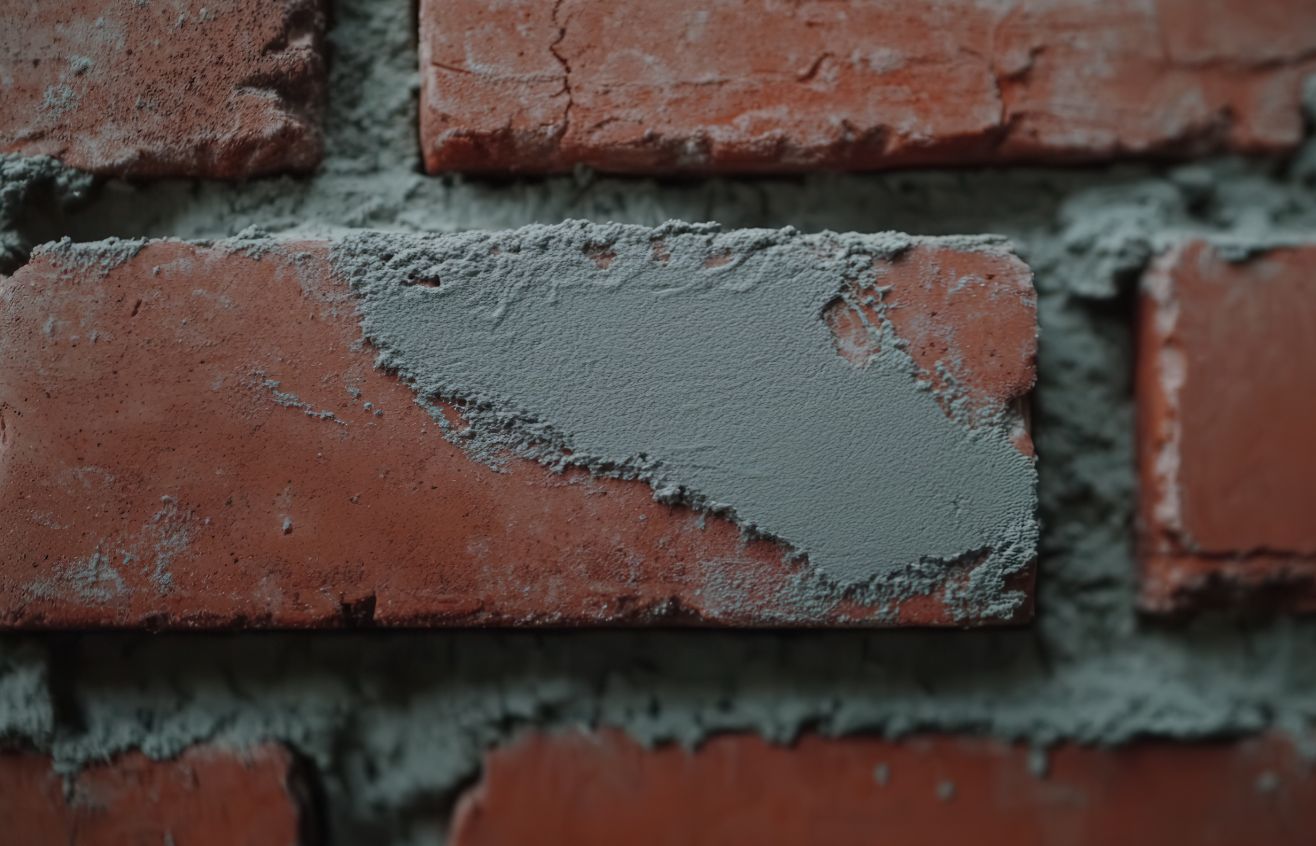
Parging is a thin layer of mortar-based material applied to the exterior surface of a foundation wall.
Typically ranging from 6 mm to 12 mm thick, parging can be applied to poured concrete, concrete block, or stone foundations. Its primary purpose is to create a protective barrier that helps reduce moisture penetration while improving the appearance of the exposed foundation.
Modern parging mixes usually consist of Portland cement, sand, and water, often enhanced with bonding agents or polymers for improved durability and adhesion.
Older homes may contain traditional lime-based parging, which requires specialized repair techniques and compatible materials.
Why Is Parging Important?
Parging acts as the first line of defense for exposed foundation surfaces.
Benefits of properly maintained parging include:
- Protection against moisture infiltration
- Improved resistance to weather exposure
- Coverage of minor surface imperfections
- Enhanced curb appeal
- Reduced deterioration of foundation surfaces
In Ontario's climate, where foundations endure constant exposure to moisture, snow, and freeze-thaw cycles, maintaining your parging can help extend the life of your home's foundation system.
Why Does Parging Fail?
Like most exterior masonry materials, parging is vulnerable to weather-related wear and tear.
Freeze-Thaw Damage
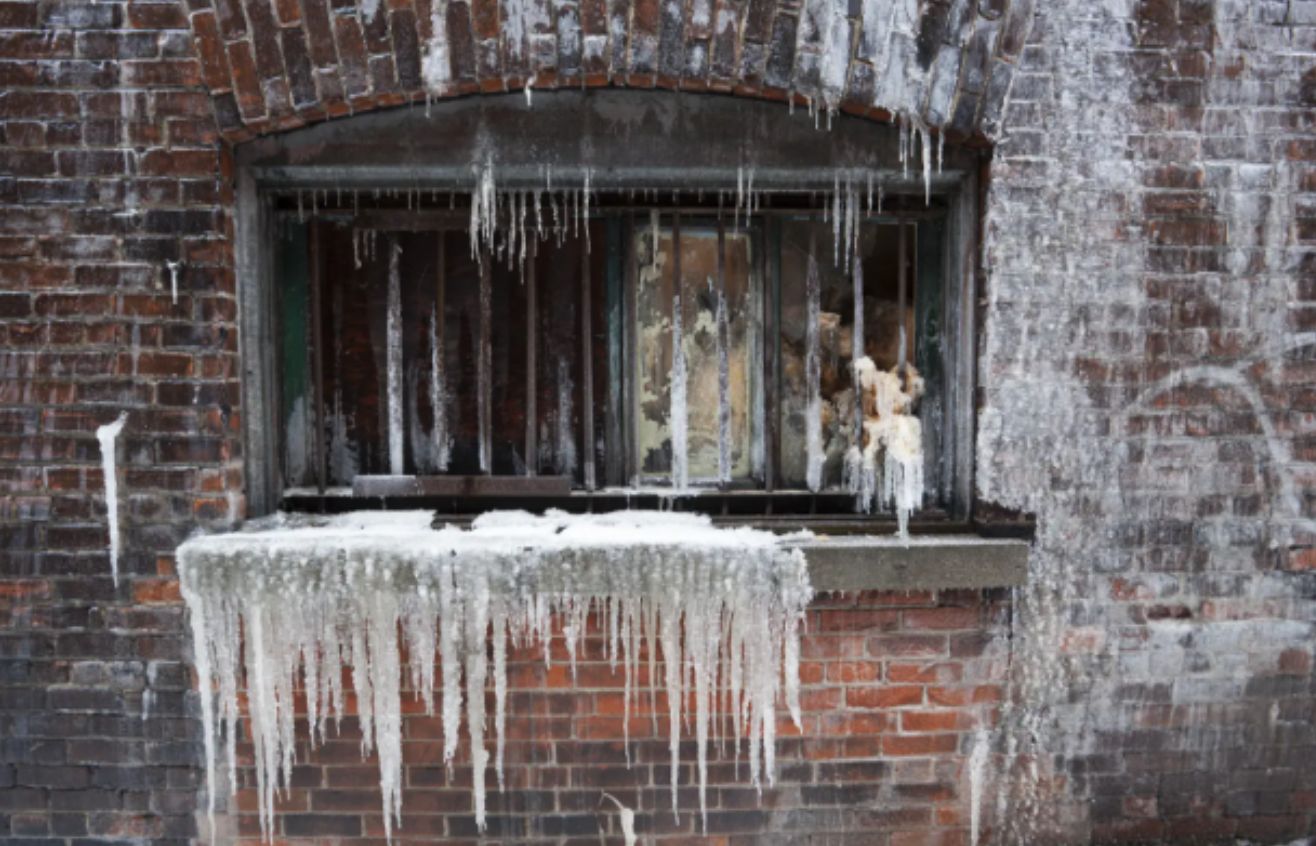
The most common cause of parging failure in Barrie and Simcoe County is freeze-thaw cycling.
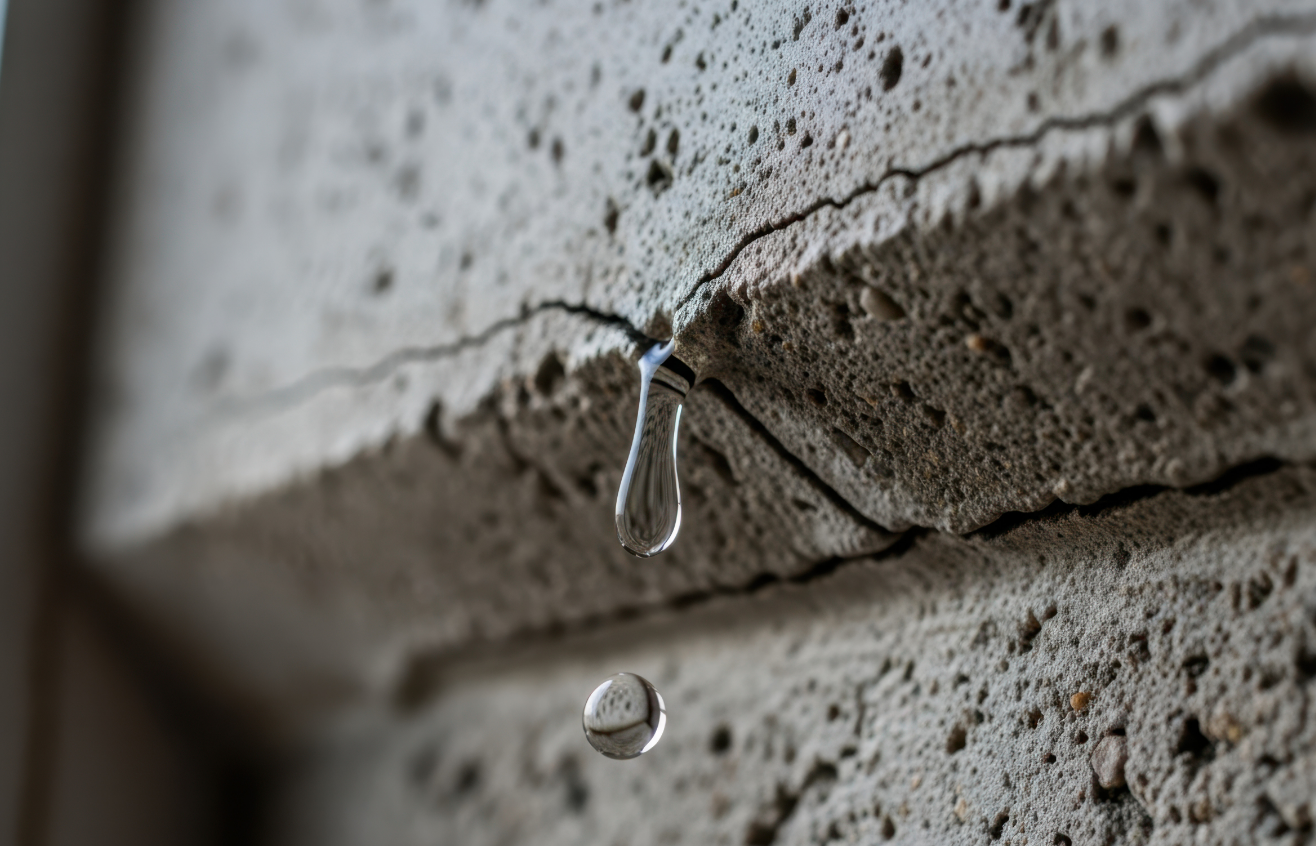
Water enters small cracks or pores within the parging surface. When temperatures drop below freezing, the water expands and places pressure on the surrounding material. Over multiple seasons, this process causes cracking, separation, and surface deterioration.
Improper Installation
Parging that was applied too thinly or installed over a poorly prepared surface often fails prematurely.
Without proper bonding to the foundation wall, sections of parging can loosen and separate over time.
Foundation Movement
Natural settling and movement within the foundation can create cracks that eventually transfer through the parging layer.
While parging helps protect the surface of the foundation, it is not designed to correct structural foundation issues.
Physical Damage
Landscaping equipment, impacts, and years of exposure to the elements can all contribute to deterioration and localized damage.
Signs Your Parging Needs Repair
Several warning signs indicate that your foundation parging may require professional attention.
Visible Cracking
Cracks that run vertically, horizontally, or along the outlines of foundation blocks often indicate that moisture and weather exposure have begun to compromise the surface.
Hollow or Loose Sections
If areas of parging sound hollow when tapped, it may mean the material has separated from the foundation wall underneath.
Chunks Missing or Falling Away
Sections that have detached completely are a clear sign that the parging has reached an advanced stage of deterioration.
Efflorescence
White, powdery mineral deposits appearing on the surface of the parging indicate that moisture is moving through the foundation wall.
While efflorescence itself is not usually a structural issue, it is a sign that water management should be investigated.
What Does Parging Repair Involve?
The repair process depends on the severity and extent of the damage.
Minor Repairs
Small cracks and isolated areas of deterioration can often be repaired without removing large sections of existing parging.
Full Surface Repairs
When larger sections are cracked, loose, or separating from the foundation wall, damaged material must be removed completely before new parging can be applied.
Proper Surface Preparation
Successful parging repairs depend heavily on preparation.
Loose material must be removed, surfaces cleaned, and the substrate properly prepared to ensure strong adhesion. In some cases, bonding agents are applied before new material is installed.
Matching Older Foundations
Homes with traditional lime-based parging require specialized repair techniques.
Using an incompatible modern cement mixture on an older foundation can sometimes create additional cracking and deterioration. An experienced masonry contractor will select materials that are appropriate for the age and composition of the foundation.
When Is the Best Time for Parging Repair?
Spring and early summer are generally the best times for parging repairs in Ontario.
Mild temperatures allow the material to cure properly while providing enough time for repairs to fully set before winter arrives. Addressing damage early in the season helps prevent another year of freeze-thaw deterioration.
Professional Parging Repair in Simcoe County
Chameleon Masonry provides professional parging repair and foundation restoration services throughout Barrie, Collingwood, Orillia, Wasaga Beach, Innisfil, Springwater, and surrounding Simcoe County communities.
If your foundation parging is cracked, spalling, or showing signs of deterioration, our team can assess the condition of your foundation and recommend the right repair solution before the next winter season arrives.
Contact Chameleon Masonry today to schedule an inspection.
.png)
.png)
.png)



.png)
.png)



.png)
.png)






.jpg)
.jpg)
.jpg)
.jpg)
.jpg)
.jpg)
.jpg)
.jpg)
.jpg)
.jpg)
.jpg)
.jpg)
.jpg)
.jpg)
.jpg)
.jpg)
.jpg)
.jpg)
.jpg)
.jpg)
.jpg)
.jpg)
.jpg)
.jpg)
.jpg)
.jpg)
.jpg)
.jpg)
.jpg)
.jpg)
.jpg)
.jpg)
.jpg)

Contact Us For A Free Consultation
Have questions or ready to start your masonry restoration project? Our dedicated team of masonry experts are here to help. Whether you’re exploring historical restoration, custom masonry modifications, or need expert brick repair, we’re just a call or click away.