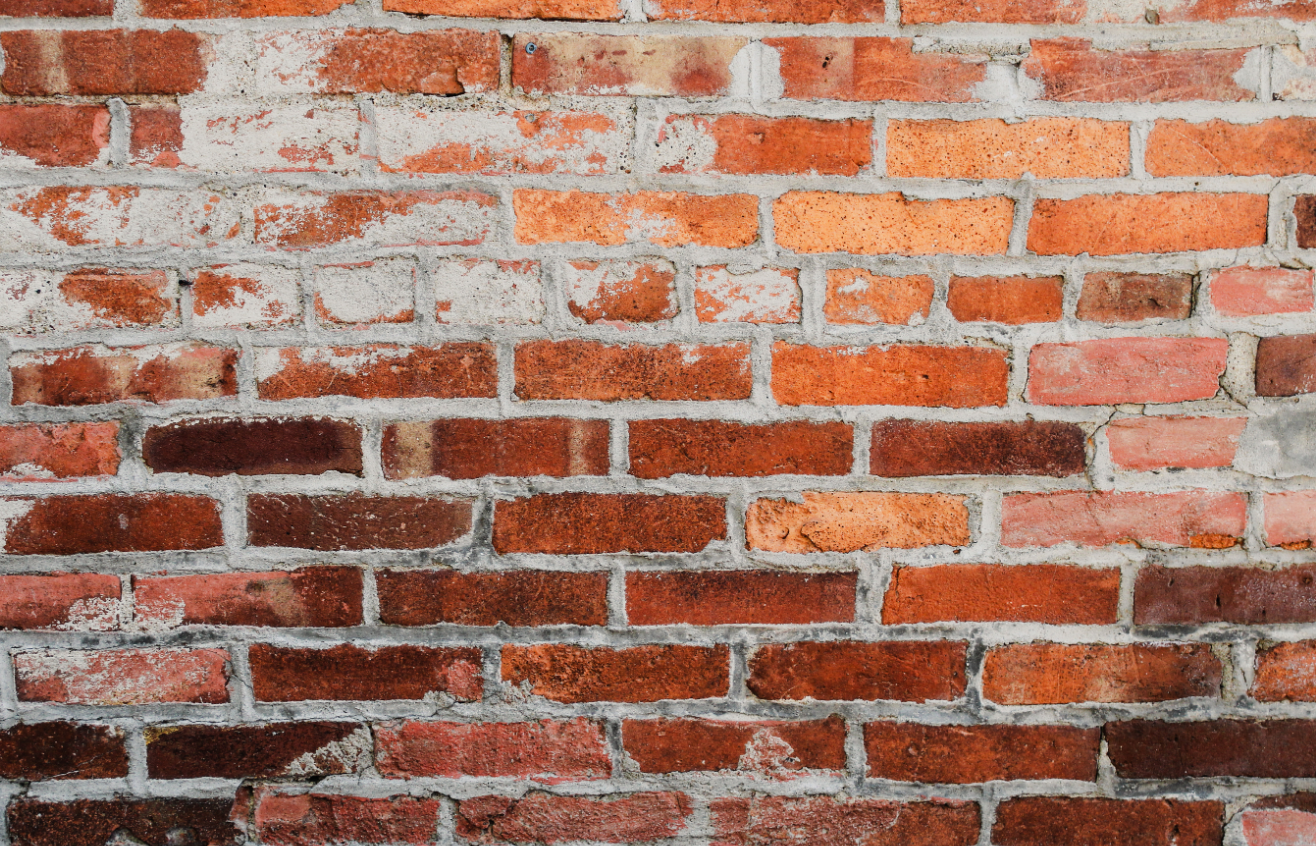
Spalling Brick: Why Brick Faces Crumble on Vaughan Homes (and How to Stop It)
Take a walk around your home and look closely at the brick. If you spot faces that are flaking, chipping, or popping right off, leaving a rough, crumbly surface behind, you're looking at spalling. It's one of the most common masonry problems we see across Vaughan, from older Woodbridge streets to newer builds in Maple and Kleinburg, and it's one that never fixes itself.
The good news is that spalling is well understood, very treatable when caught early, and largely preventable once you know what causes it.
What Spalling Actually Is
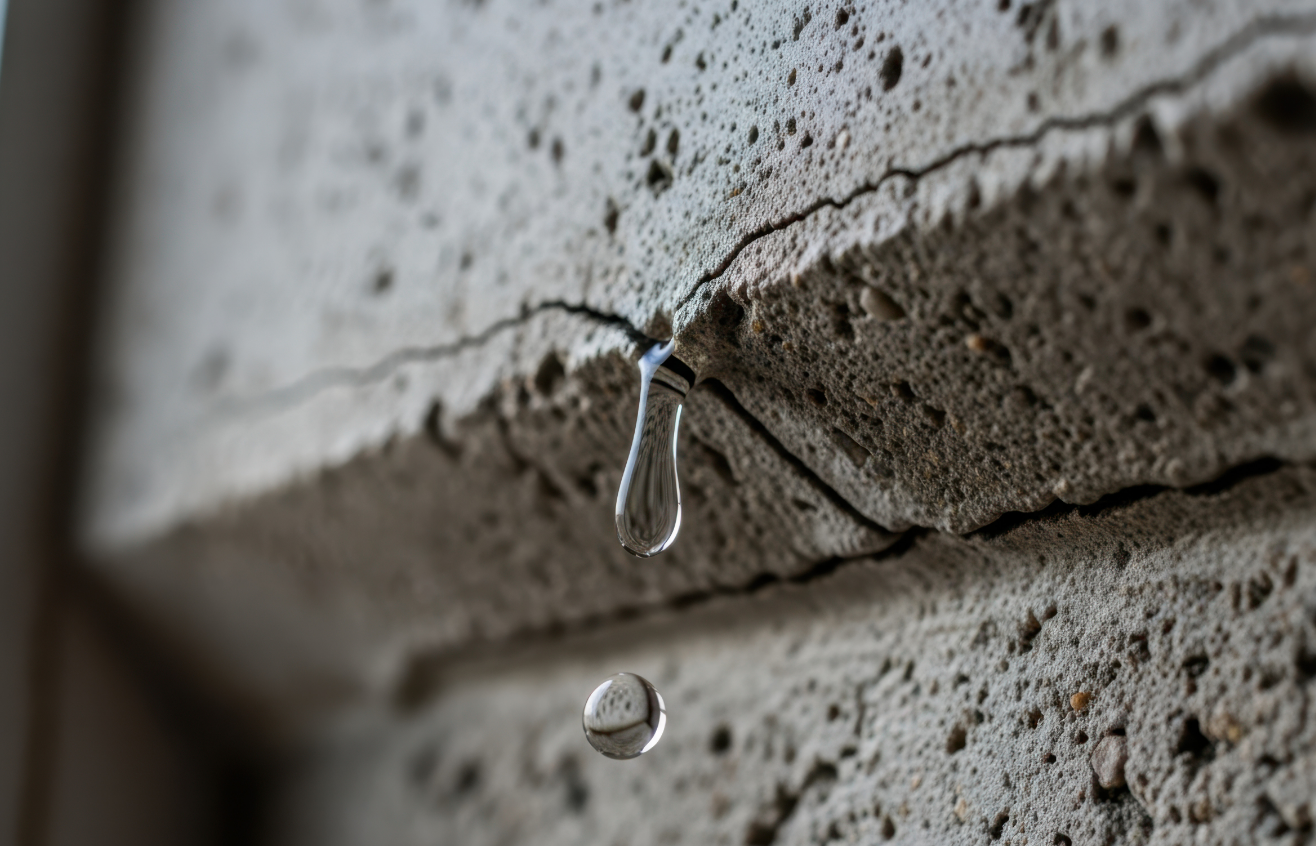
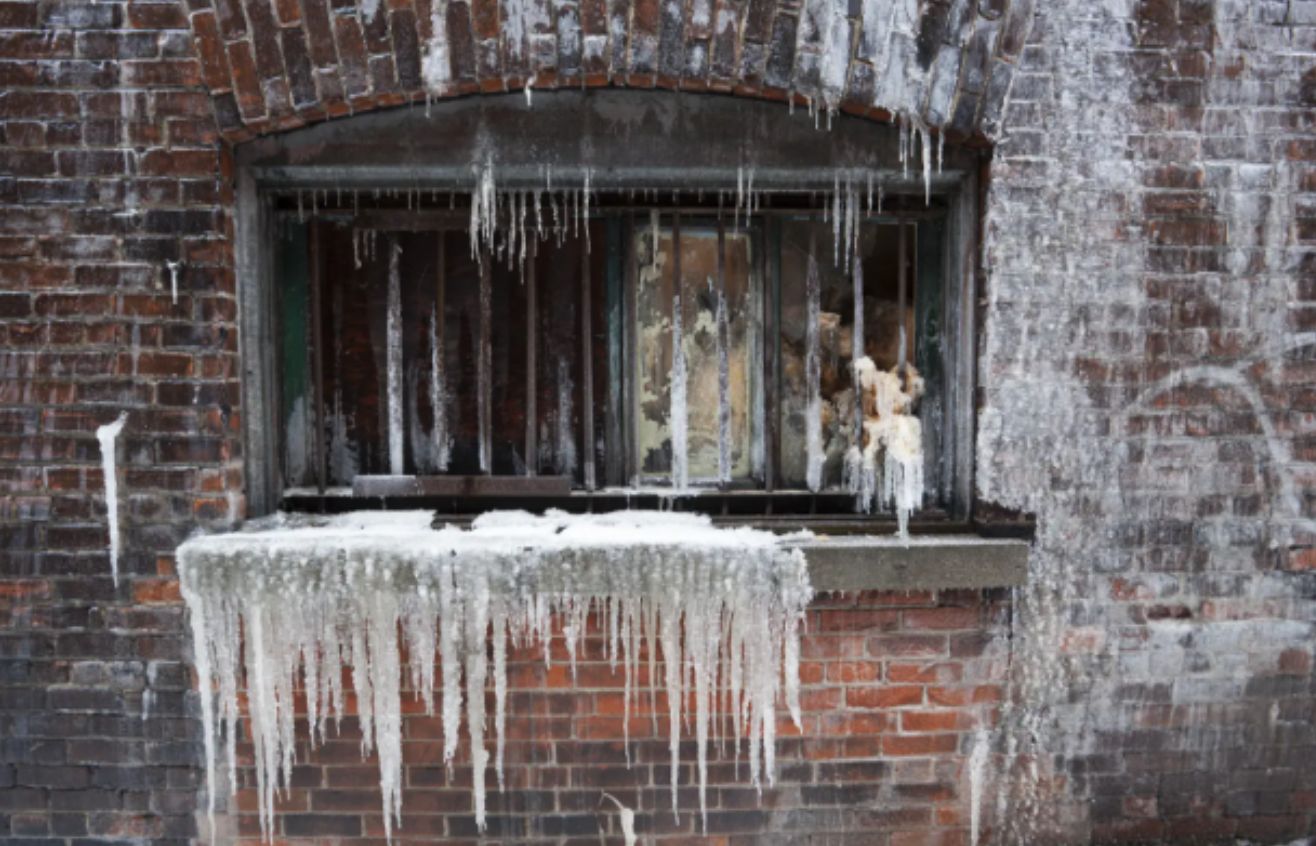
Brick looks solid, but it's a porous material full of tiny channels that absorb and release moisture. Under normal conditions that's fine. The trouble starts when water gets into the brick and then freezes. Ice takes up about nine percent more space than water, and when it expands inside the brick, it pushes outward against the face. One freeze won't do much. A Southern Ontario winter delivers dozens of freeze-thaw cycles, and each one pries at the brick from the inside.
Eventually the outer face, which is also the hardest, most protective layer of the brick, breaks away. Once that fired outer skin is gone, the softer core underneath is exposed. It absorbs water even faster, and the deterioration accelerates. That's why spalling always looks like it's speeding up. It is.
Why It Happens to Vaughan Homes
A few local factors make spalling a regular sight in Vaughan:
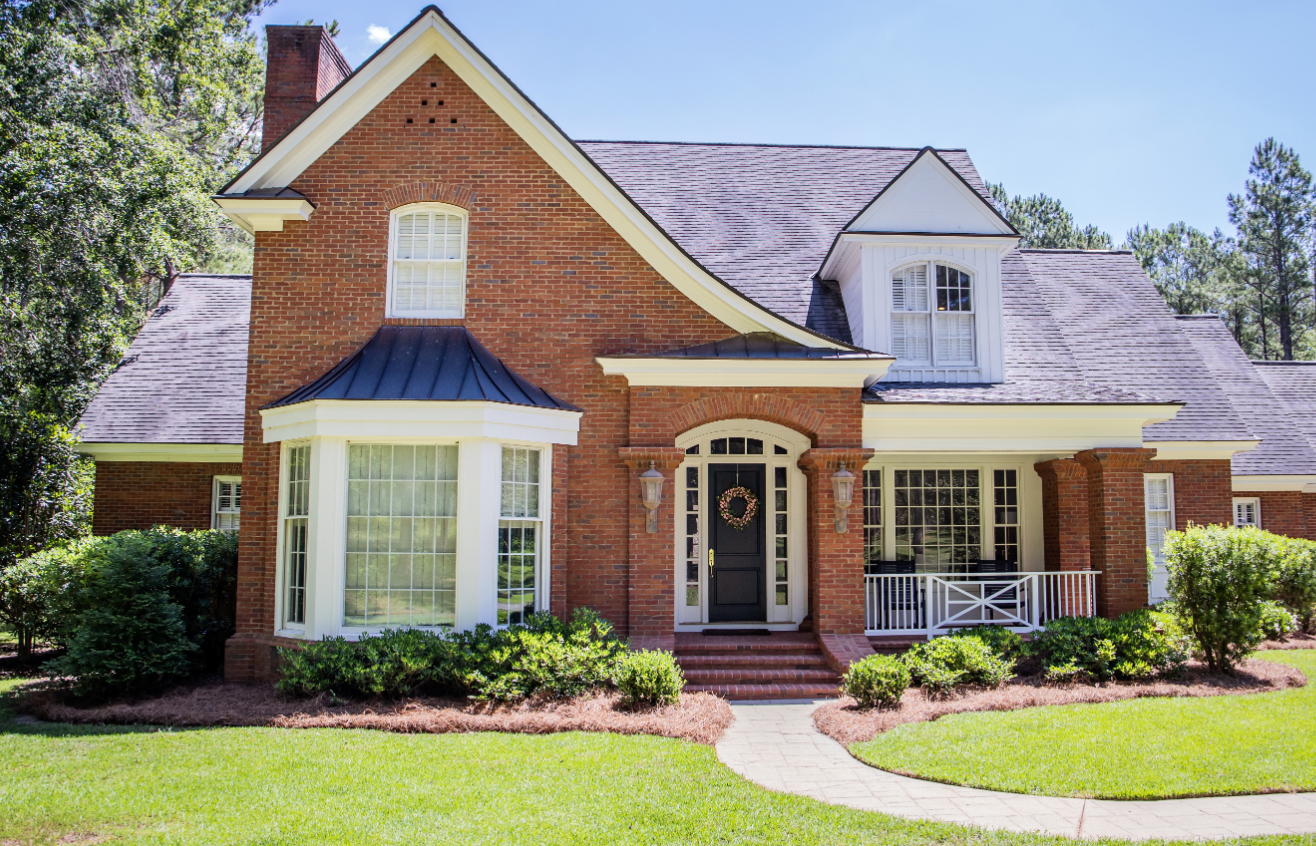
Brick veneer construction. Most homes built here from the 1980s onward have a single layer of brick over a wood-framed wall. That veneer depends on proper weep holes, flashing, and an air gap to drain moisture. When those details fail or get blocked, water lingers in the brick far longer than it should.
Grade and snow pileup. Bricks near the ground take the worst of it. Snow piled against the wall, splashback from downspouts, and soil or mulch heaped above the brick line all keep the lower courses saturated through winter.
Sealed brick. This one surprises homeowners. Brick that has been coated with a non-breathable sealer can't release moisture, so water that gets in stays in and freezes there. Well-intentioned sealing is behind a lot of the spalling we're called out to repair.
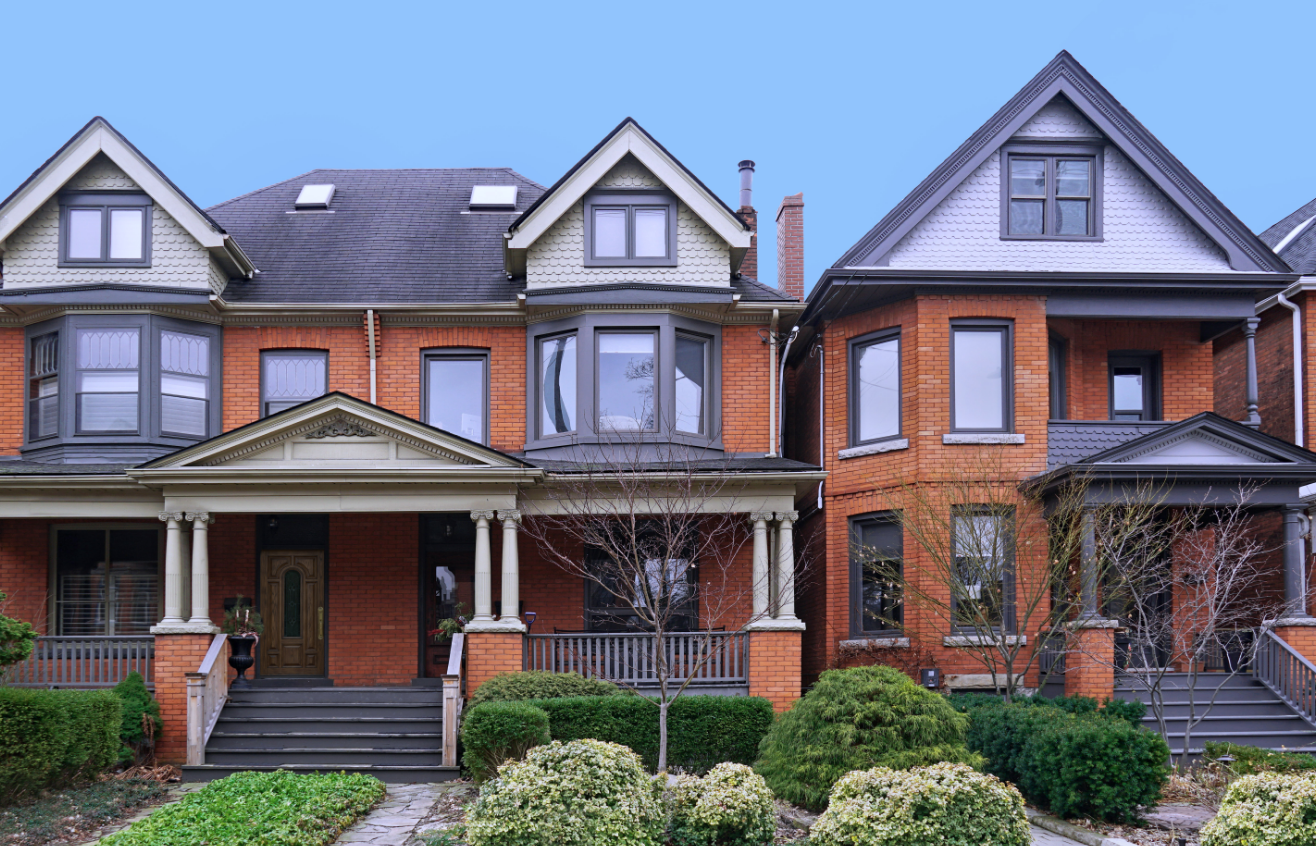
Hard mortar on older brick. In older parts of Woodbridge and Kleinburg, past repairs done with modern cement mortar force moisture out through the brick instead of the joints. The brick becomes the sacrificial element, and spalling is the result.
The Warning Signs, From Early to Urgent
Spalling progresses in stages. Early on, you might notice hairline cracking on brick faces or a light peppering of brick dust and small chips at the base of the wall. Mid-stage, faces begin flaking off in layers, and you'll see bricks that look rough or "eaten" compared to their neighbours. In advanced cases, entire faces are gone, the exposed cores are crumbling, and moisture is reaching whatever sits behind the brick.
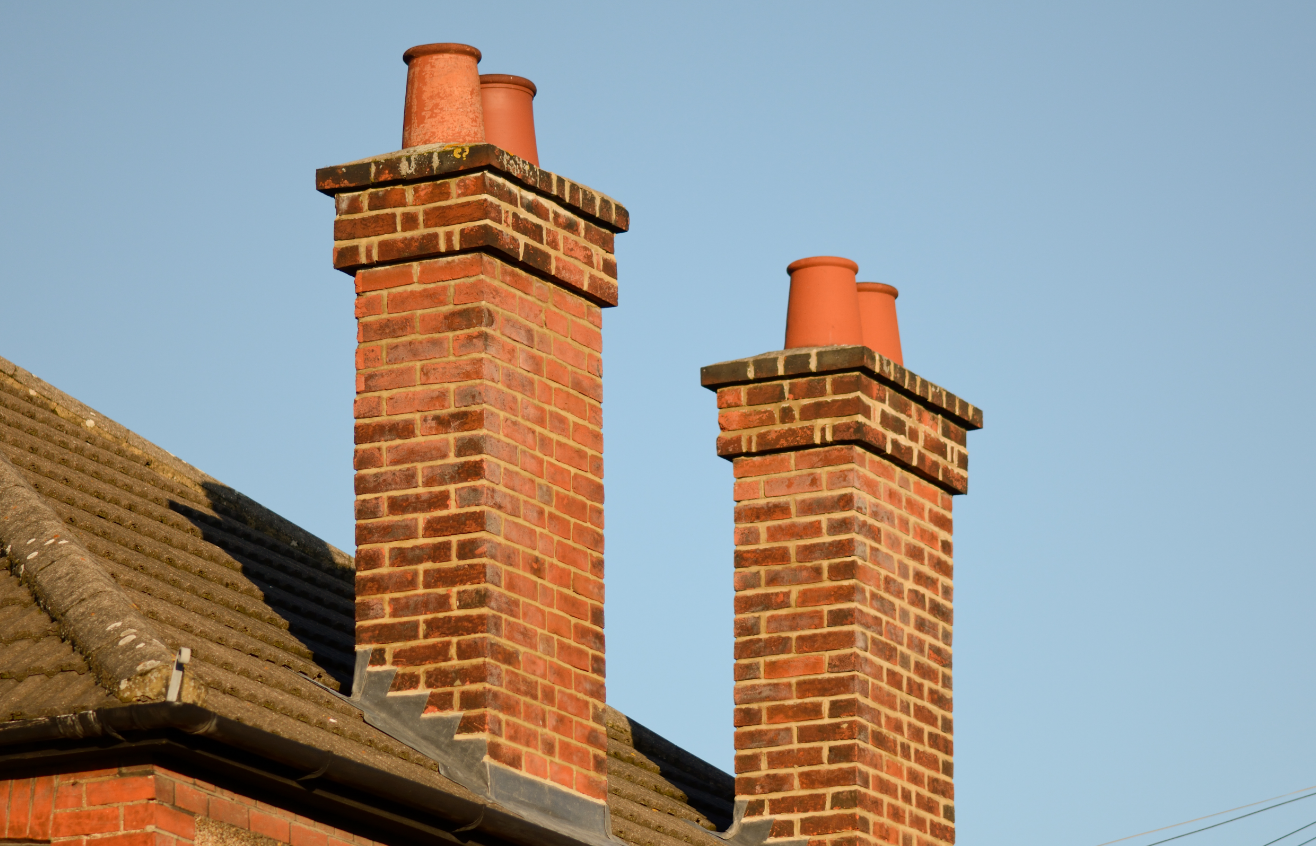
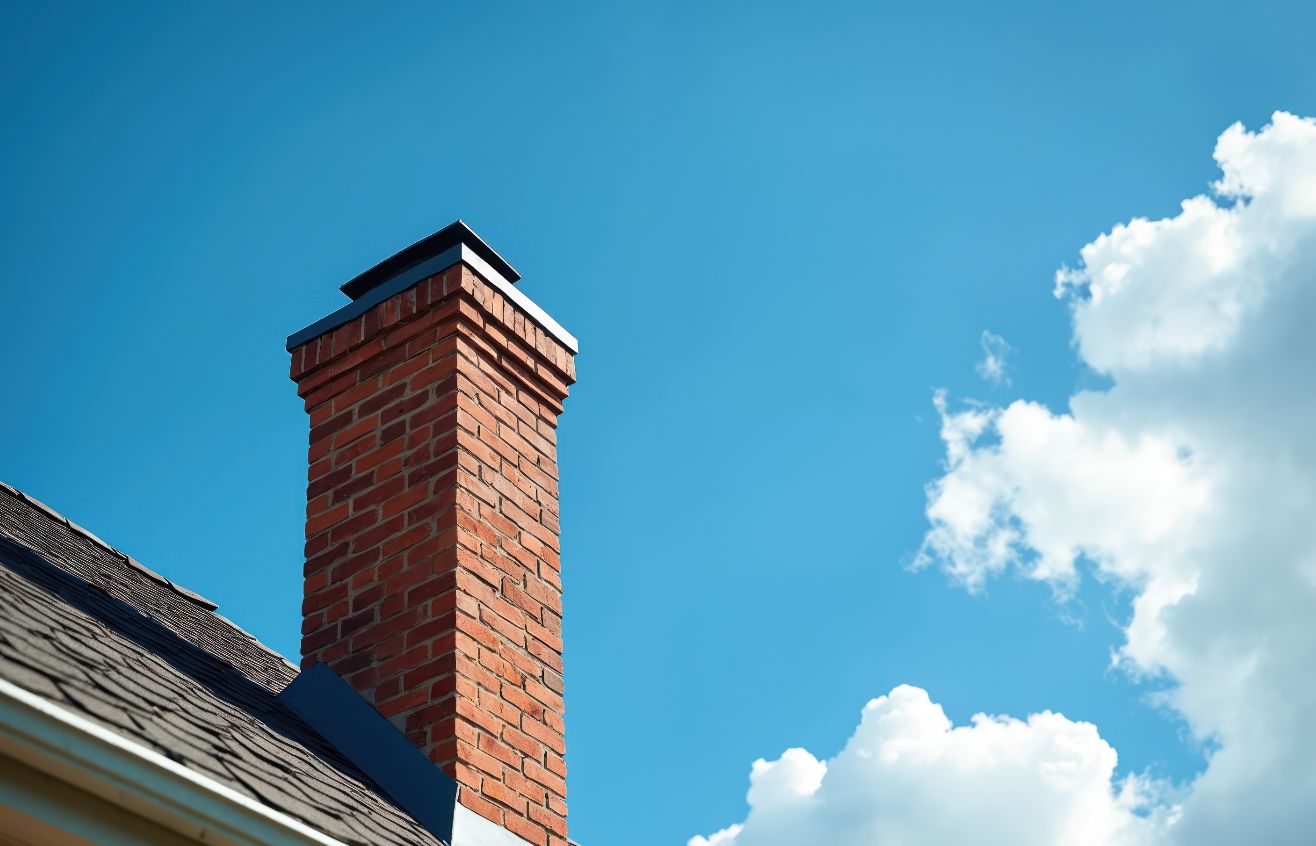
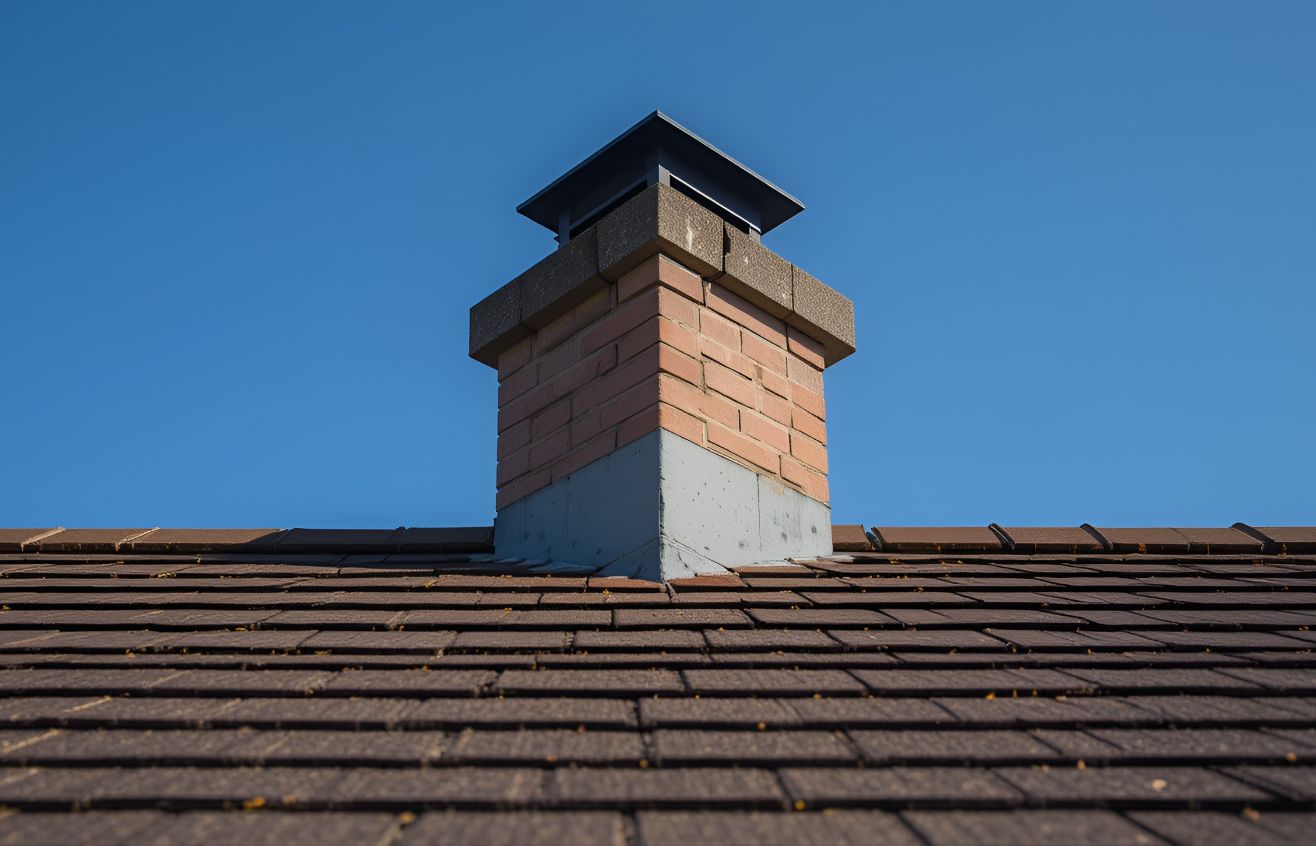
The base of walls, chimneys, window sills, porch columns, and parapets are the usual first casualties, because they're the wettest spots on the house.
How Spalling Is Properly Repaired
There's no rescuing a brick once its face is gone. Repair means carefully cutting out the damaged bricks and replacing them with matched units, ideally reclaimed brick of similar age and hardness for older homes, or a close production match for newer ones. The surrounding mortar joints are repointed with mortar that's compatible with the brick, softer rather than harder, so the wall sheds moisture the way it was designed to.
Just as important, a proper repair addresses the water source. That can mean clearing blocked weep holes, correcting flashing, redirecting a downspout, regrading soil away from the brick line, or removing a failed sealer. Swapping bricks without solving the moisture problem is a temporary fix at best.
What we'd caution against is the common shortcut of parging or painting over spalled brick. Covering the damage traps moisture behind the coating and usually makes the wall worse within a few seasons, while also making the eventual proper repair bigger.
What You Can Do to Prevent It
Keep downspouts discharging well away from walls. Keep soil, mulch, and snow below the brick line where you can. Have mortar joints inspected every few years, since sound joints are the wall's first defence. And skip the brick sealers unless a mason has confirmed a breathable product is appropriate for your specific wall.
Spalling caught at the first flaking stage is a modest, contained repair. Spalling ignored for five winters can mean rebuilding whole sections of wall. If you're seeing chips, flakes, or crumbling faces anywhere on your home, it's worth getting eyes on it before the next freeze.
Chameleon Masonry repairs spalling brick, failed mortar, and moisture-damaged masonry for homeowners across Vaughan, Woodbridge, Maple, Kleinburg, North York, Toronto, Markham, Newmarket, and throughout Barrie and Simcoe County. Contact us for an honest assessment and a repair done right the first time.
.png)
.png)
.png)


.png)
.png)


.png)
.png)







.jpg)
.jpg)
.jpg)
.jpg)
.jpg)
.jpg)
.jpg)
.jpg)
.jpg)
.jpg)
.jpg)
.jpg)
.jpg)
.jpg)
.jpg)
.jpg)
.jpg)
.jpg)
.jpg)
.jpg)
.jpg)
.jpg)
.jpg)
.jpg)
.jpg)
.jpg)
.jpg)
.jpg)
.jpg)
.jpg)
.jpg)
.jpg)
.jpg)

Contact Us For A Free Consultation
Have questions or ready to start your masonry restoration project? Our dedicated team of masonry experts are here to help. Whether you’re exploring historical restoration, custom masonry modifications, or need expert brick repair, we’re just a call or click away.