Chimney Repair Warning Signs Homeowners Should Never Ignore
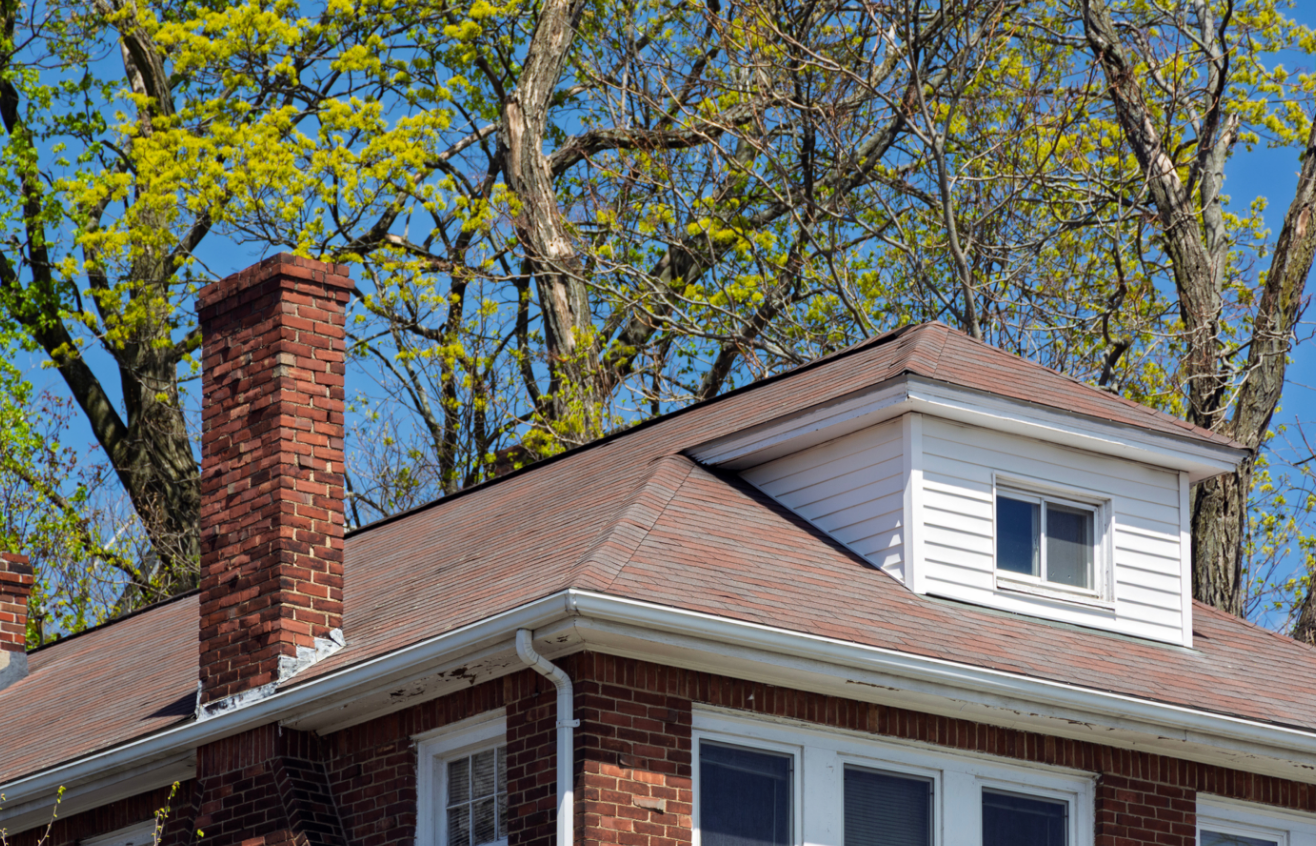
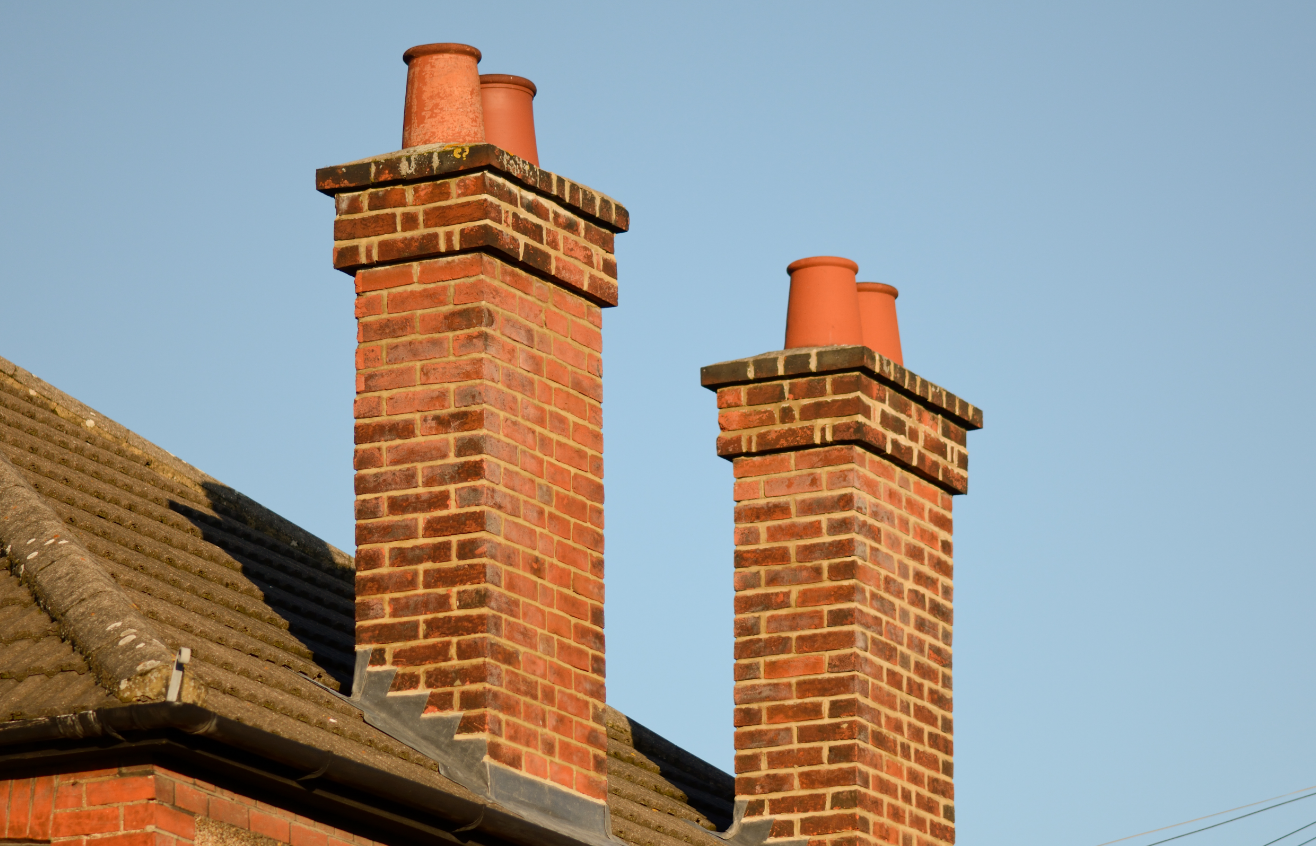
A chimney may seem like one of the most solid parts of your home, but because it is constantly exposed to wind, rain, snow, freezing temperatures, and direct moisture absorption, it is often one of the first masonry structures to deteriorate.
What begins as minor mortar wear or a few loose bricks can quickly turn into leaning chimney stacks, water leaks, interior fireplace damage, and serious safety concerns if left unaddressed.
Many Ontario homeowners do not realize their chimney needs repair until visible damage becomes impossible to ignore. Knowing what warning signs to look for can help you catch chimney problems early, protect your roofline, and avoid the far higher cost of a full chimney rebuild.
Cracked or Missing Mortar Between Chimney Bricks
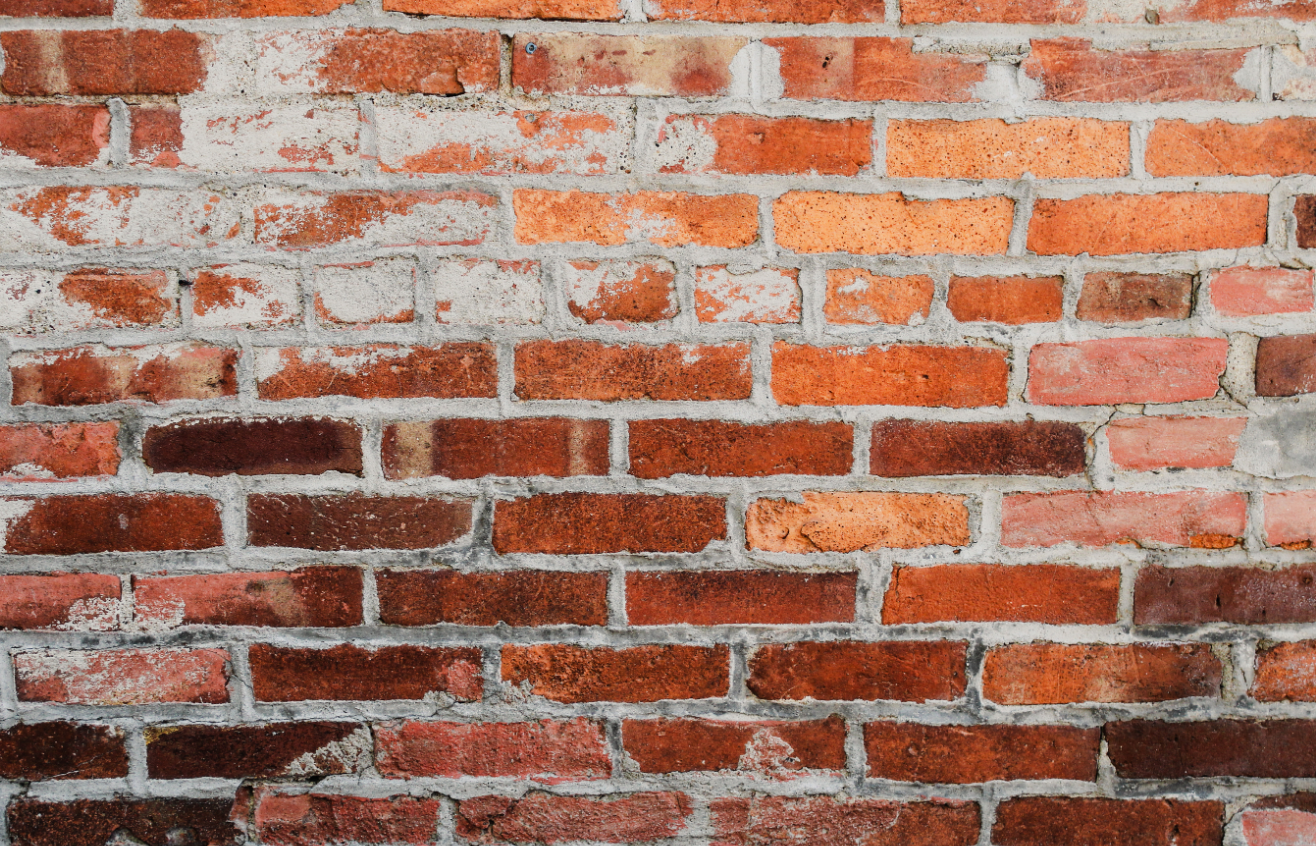
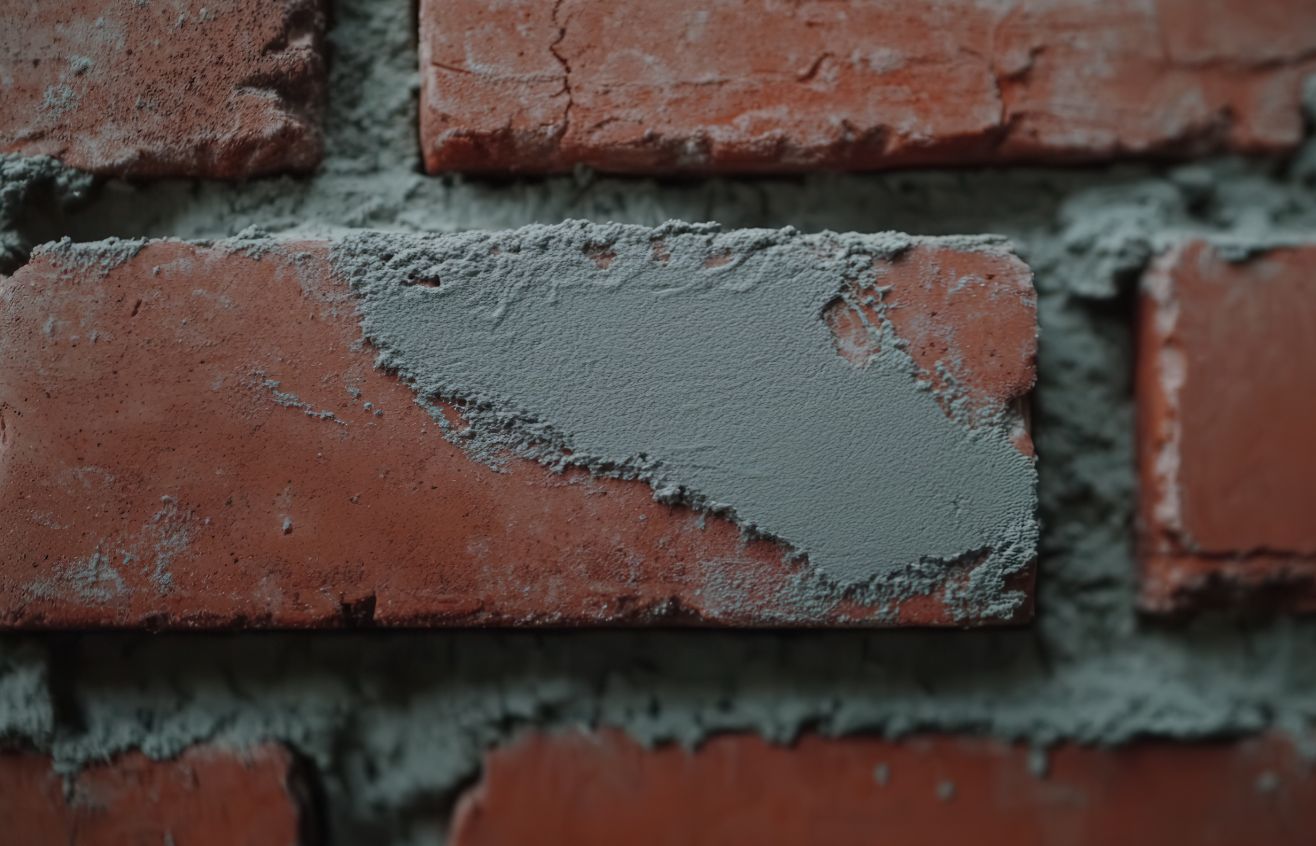
Mortar joints are the glue that hold your chimney together. Because chimneys sit fully exposed above the roofline, they experience heavier freeze and thaw cycles than most exterior brick walls.
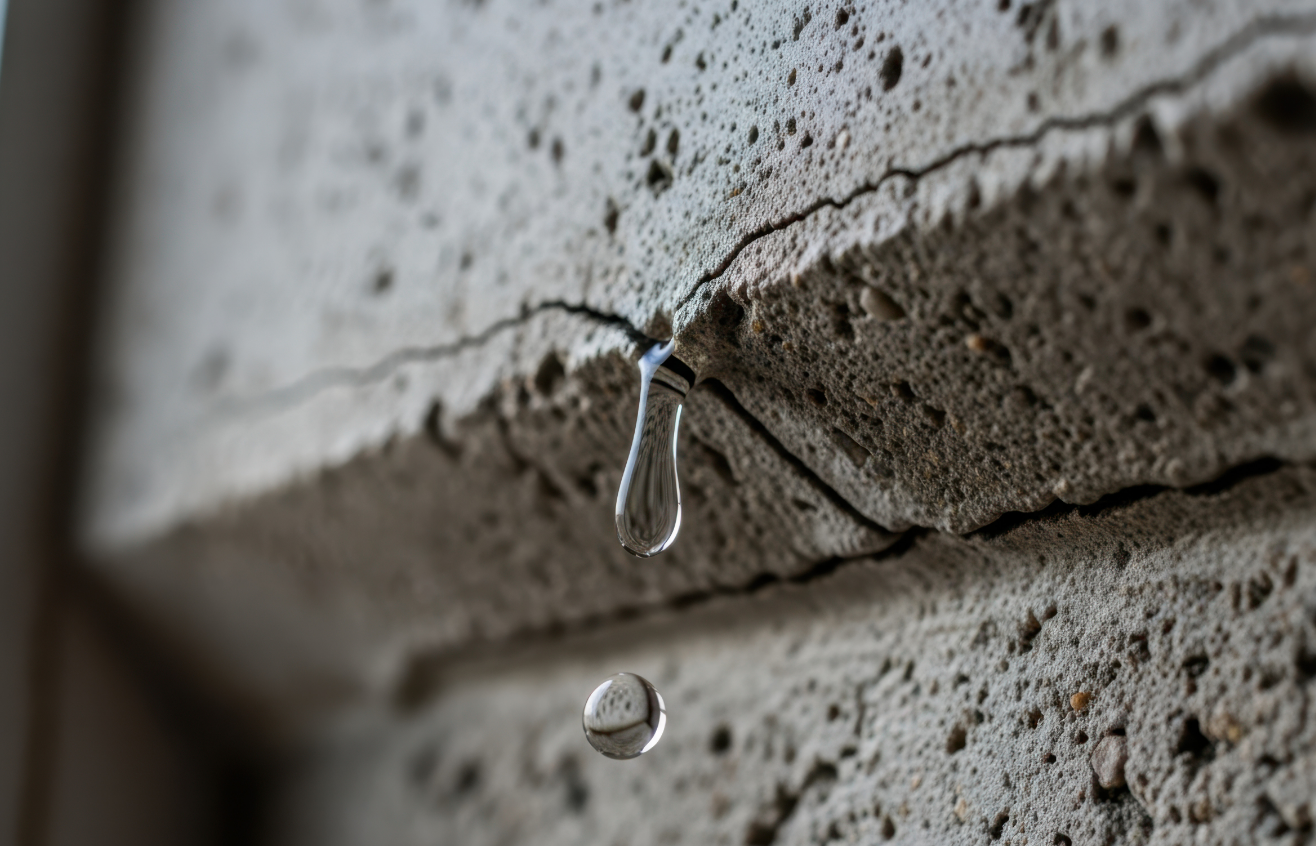
Over time, moisture enters the mortar, freezes, expands, and causes the joints to crack or crumble away.
Signs of failing mortar include:
- gaps between chimney bricks
- sandy or powdery mortar falling onto the roof
- visible holes in the joints
- loose brick movement when inspected
Once mortar begins to fail, water can penetrate deeper into the chimney structure and accelerate the deterioration of the surrounding brick.
Professional chimney masonry repair can restore the joints before widespread brick replacement becomes necessary.
Spalling, Loose, or Cracked Chimney Bricks
When chimney bricks begin chipping, flaking, or breaking apart, it usually means they have been absorbing moisture for an extended period of time.
This process, known as spalling, weakens the face of the brick and allows deeper water penetration with every season.
You may also notice:
- individual bricks shifting out of place
- cracked corners
- brick fragments on the roof or ground
- visible separation near the chimney crown
Damaged brick should never be ignored. A weakened chimney stack can become unstable surprisingly fast once freeze and thaw damage progresses.
White Staining or Visible Moisture Damage
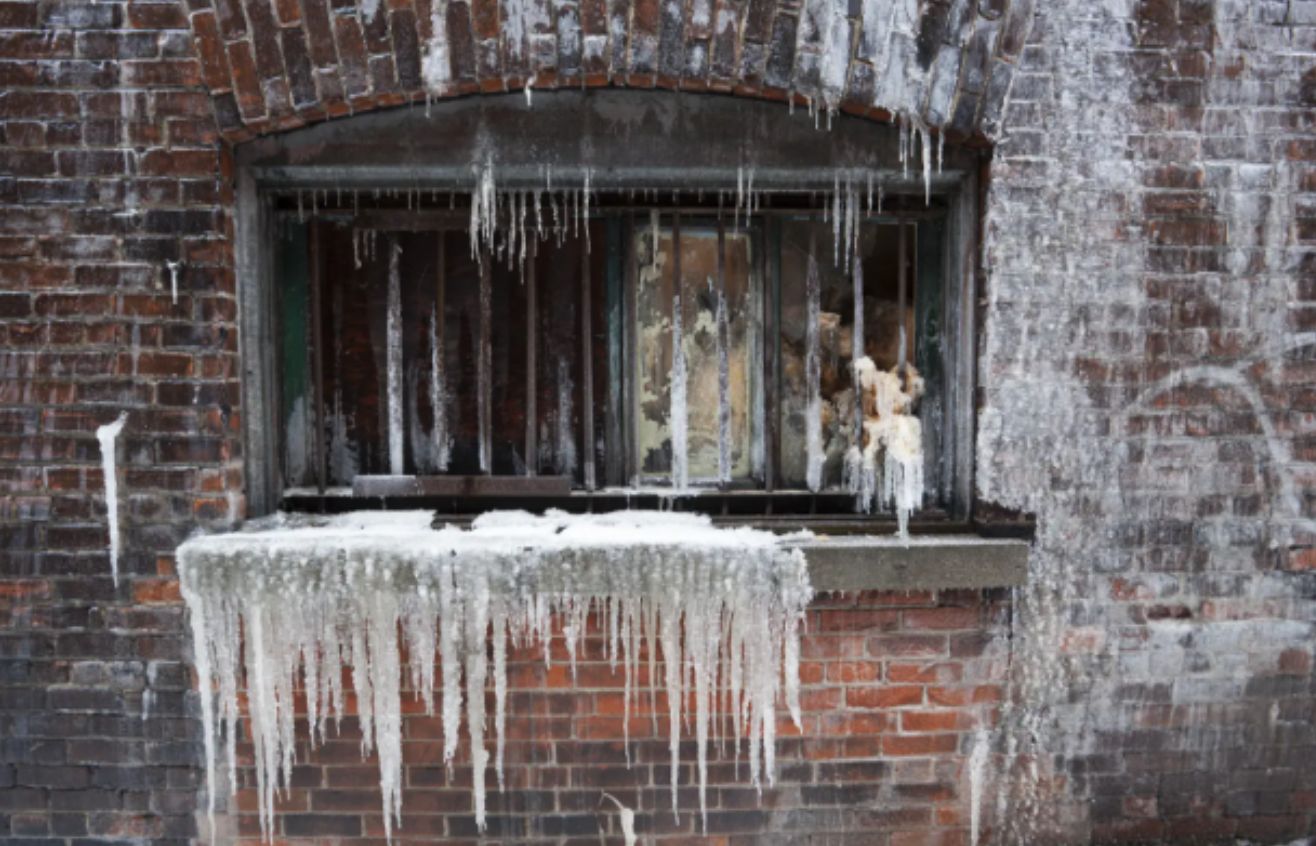
White chalky staining on a chimney, known as efflorescence, is one of the clearest signs that water is moving through the masonry.
While some homeowners dismiss this as surface discoloration, it often indicates:
- saturated chimney brick
- failing mortar joints
- compromised flashing
- crown cracks allowing water entry
Moisture trapped inside a chimney not only weakens the exterior brickwork but can also begin affecting attic insulation, interior drywall, and fireplace framing below.
Chimney Is Leaning or Pulling Away From the House
A leaning chimney is a serious structural issue and should be assessed immediately.
Visible movement can happen when:
- mortar support weakens
- bricks shift from freeze damage
- flashing fails and allows prolonged saturation
- underlying roofline support begins moving
Even a slight tilt can indicate that the chimney no longer has uniform structural stability.
In these cases, homeowners may require anything from major reinforcement to a full chimney rebuild depending on the severity of movement.
Ignoring it because “it still looks mostly upright” is a bold but unwise life strategy.
Water Leaks Around the Fireplace or Ceiling
Not all chimney damage shows on the outside. One of the most common signs of failing chimney masonry is water appearing inside the home near:
- the fireplace surround
- upper floor ceiling lines
- attic areas around the chimney penetration
- wall discoloration near the chimney breast
This often means exterior masonry, flashing, or chimney crown systems are allowing water intrusion.
The longer moisture enters the chimney, the greater the risk of mold, wood rot, and internal structural damage.
Pieces of Brick or Mortar Falling to the Ground
If you are finding brick chips, broken mortar, or masonry debris near the base of your chimney, this is a strong indication that exterior deterioration is actively progressing.
This means sections of the chimney are no longer weather tight and may be losing stability.
At this stage, delaying repair often turns a moderate chimney restoration into a much more expensive rebuild.
Why Prompt Chimney Repair Matters
A damaged chimney is not simply a cosmetic issue. It is a masonry structure sitting at one of the most weather exposed points of your home, and deterioration tends to accelerate quickly once it begins.
Early chimney restoration can:
- prevent roof leaks
- stop falling masonry hazards
- preserve fireplace safety
- avoid larger rebuild costs
- improve long term structural stability
Addressing the issue early is almost always less invasive and less expensive than waiting until the chimney becomes visibly unstable.
Humans do enjoy postponing maintenance until things become catastrophic, but brick unfortunately does not share that hobby.
Trust Chameleon Masonry for Professional Chimney Restoration
At Chameleon Masonry, we provide expert chimney repair, chimney rebuilding, mortar repointing, and full masonry restoration for aging residential and heritage properties across Ontario.
Whether your chimney is showing minor cracking or significant structural wear, our team can assess the damage and complete long lasting repairs that restore both safety and appearance.
Do Not Ignore the Warning Signs
Small chimney issues can become major structural problems far faster than most homeowners realize. If your chimney is cracking, leaking, leaning, or shedding mortar, professional restoration should be scheduled before the damage spreads.
Contact Chameleon Masonry today to book a chimney inspection and repair consultation.
.png)
.png)
.png)



.png)
.png)


.png)
.png)





.jpg)
.jpg)
.jpg)
.jpg)
.jpg)
.jpg)
.jpg)
.jpg)
.jpg)
.jpg)
.jpg)
.jpg)
.jpg)
.jpg)
.jpg)
.jpg)
.jpg)
.jpg)
.jpg)
.jpg)
.jpg)
.jpg)
.jpg)
.jpg)
.jpg)
.jpg)
.jpg)
.jpg)
.jpg)
.jpg)
.jpg)
.jpg)
.jpg)

Contact Us For A Free Consultation
Have questions or ready to start your masonry restoration project? Our dedicated team of masonry experts are here to help. Whether you’re exploring historical restoration, custom masonry modifications, or need expert brick repair, we’re just a call or click away.