Structural Stabilization in Heritage Masonry Buildings
Heritage masonry buildings are an important part of Simcoe County’s architectural history. From century homes to historic commercial properties, these structures reflect craftsmanship and materials that are rarely replicated today. However, age, weather exposure, and shifting foundations can compromise their structural integrity over time.
Structural stabilization is a critical process in preserving these buildings. It focuses on reinforcing and securing weakened masonry while maintaining the original character and materials of the structure.
Why Heritage Masonry Buildings Become Structurally Compromised
Many heritage buildings were constructed using solid brick or stone masonry without modern reinforcement systems. While these materials are durable, they are also vulnerable to decades of environmental stress.
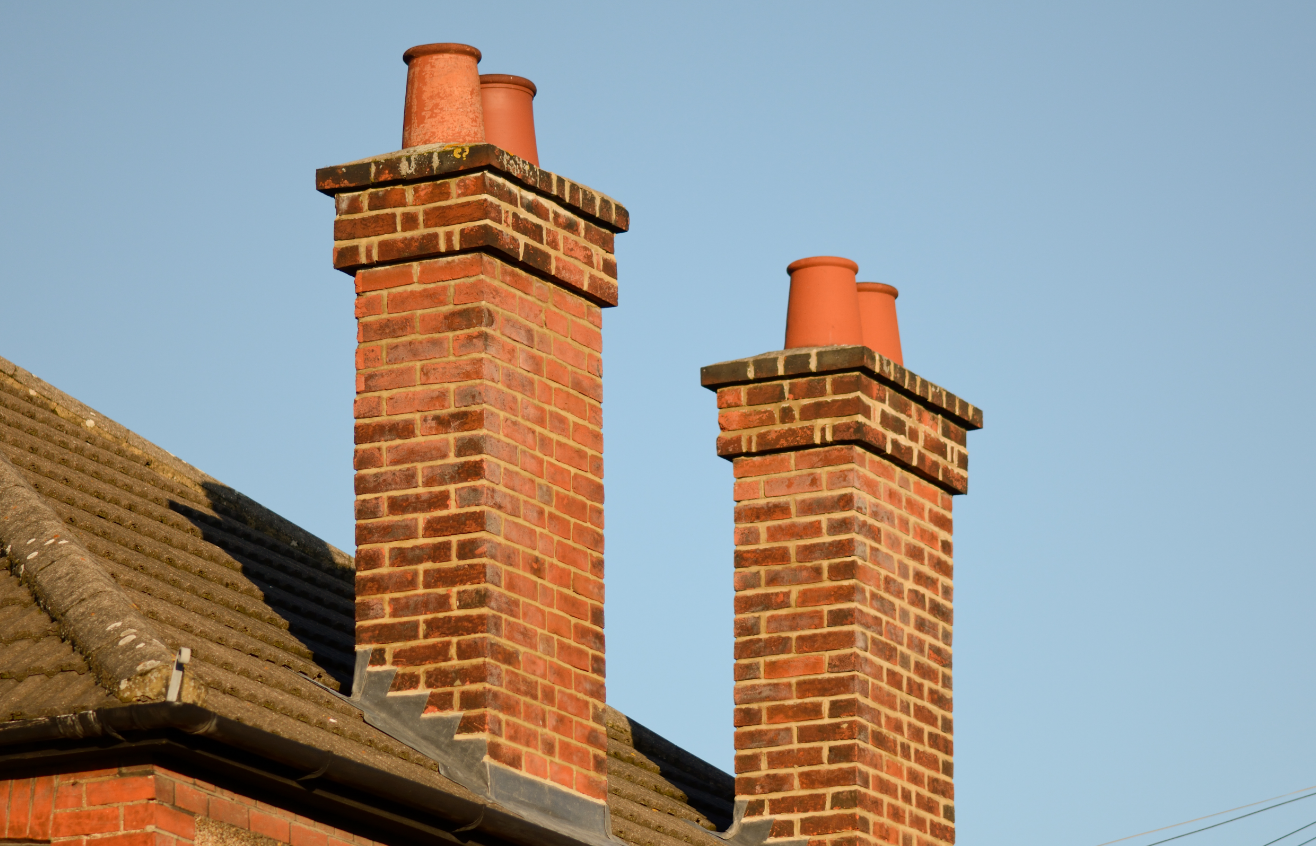
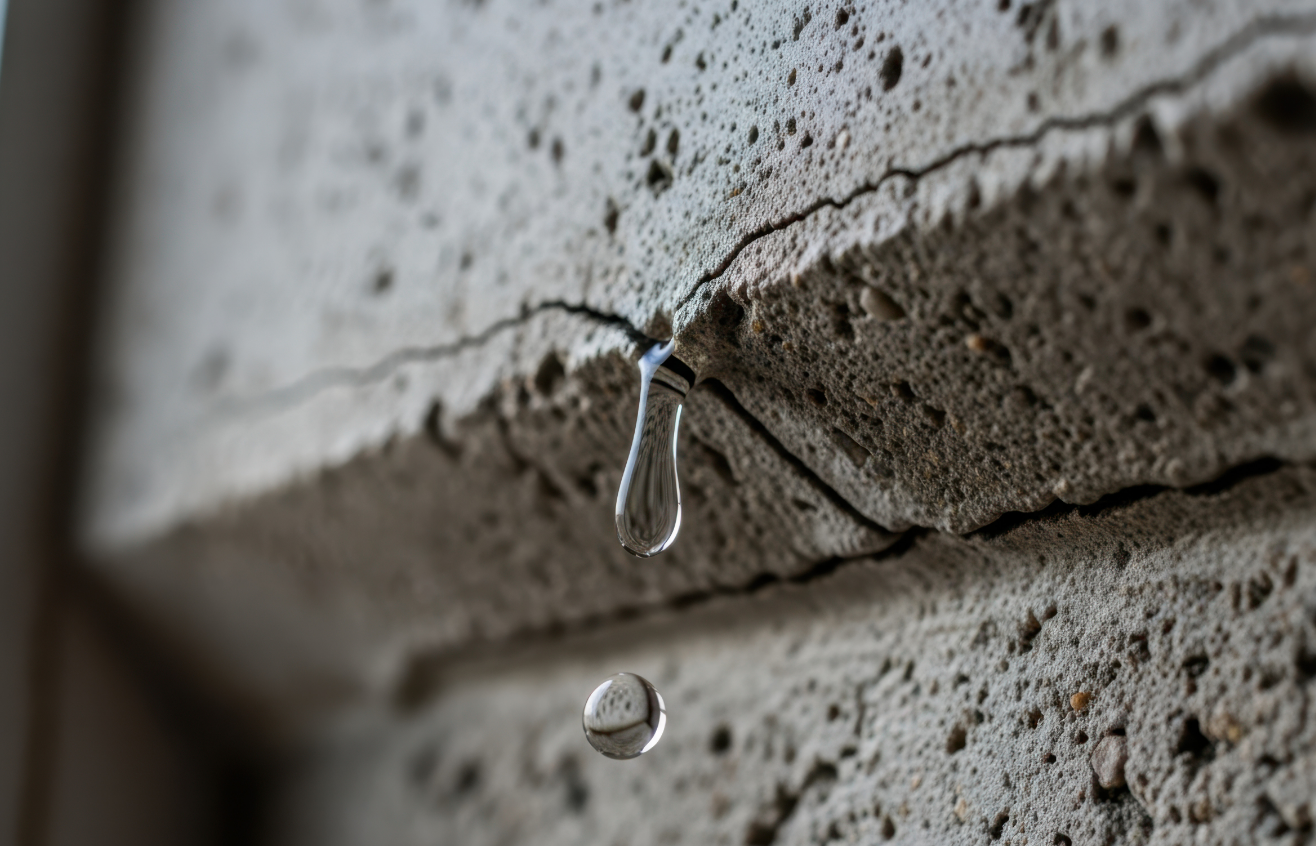
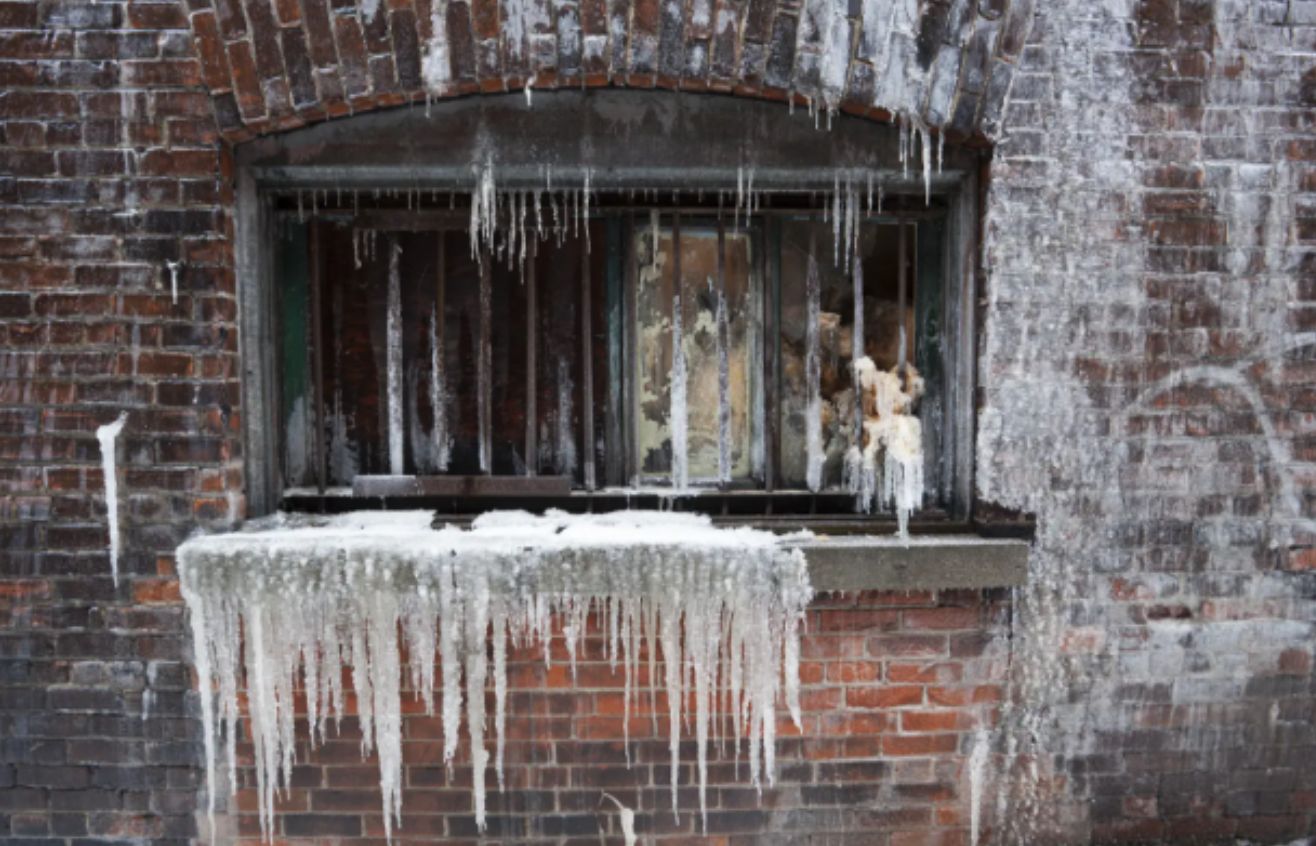
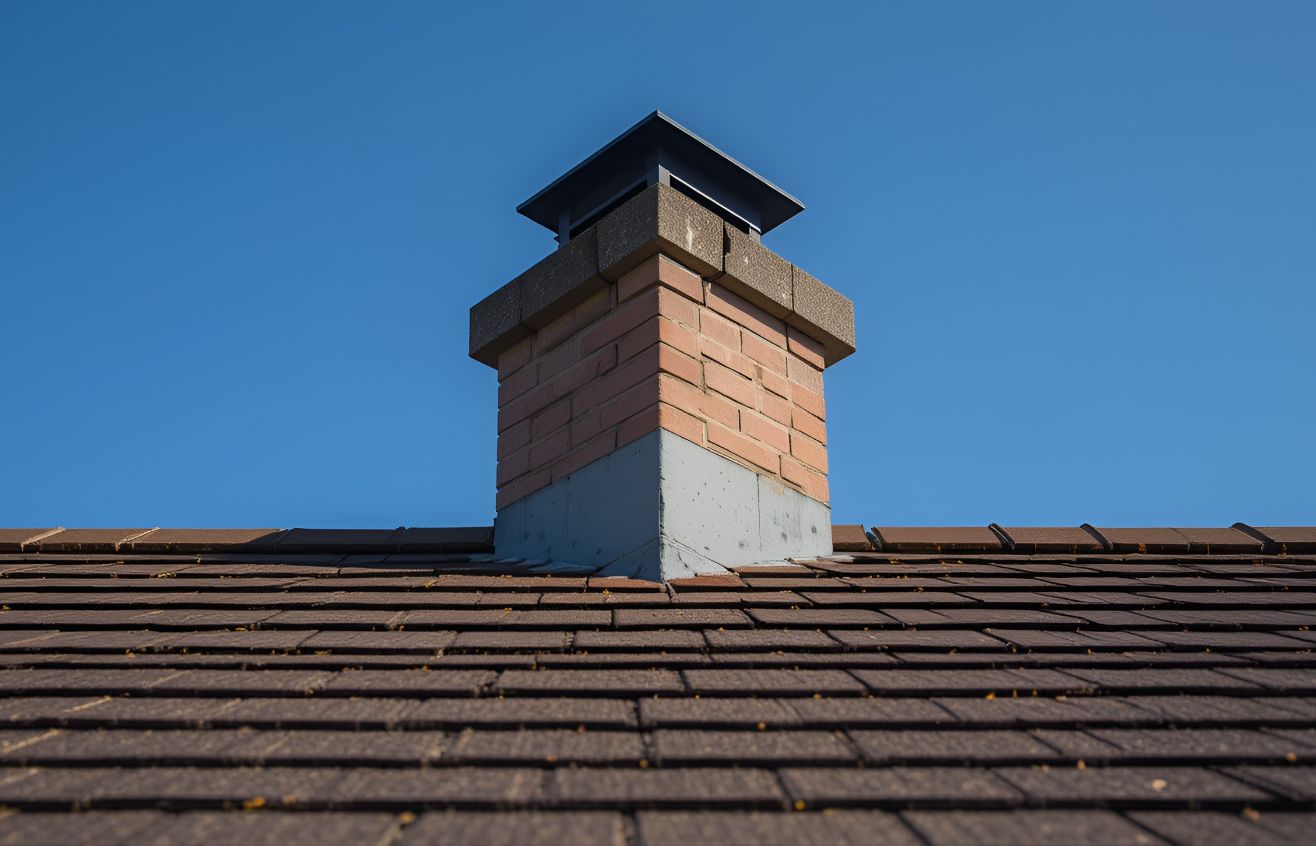
In Simcoe County, freeze and thaw cycles are a major contributor to deterioration. Moisture enters cracks in brick and mortar, expands when frozen, and gradually weakens the structure. Over time, this can cause bulging walls, cracked foundations, leaning chimneys, and separation between masonry components.
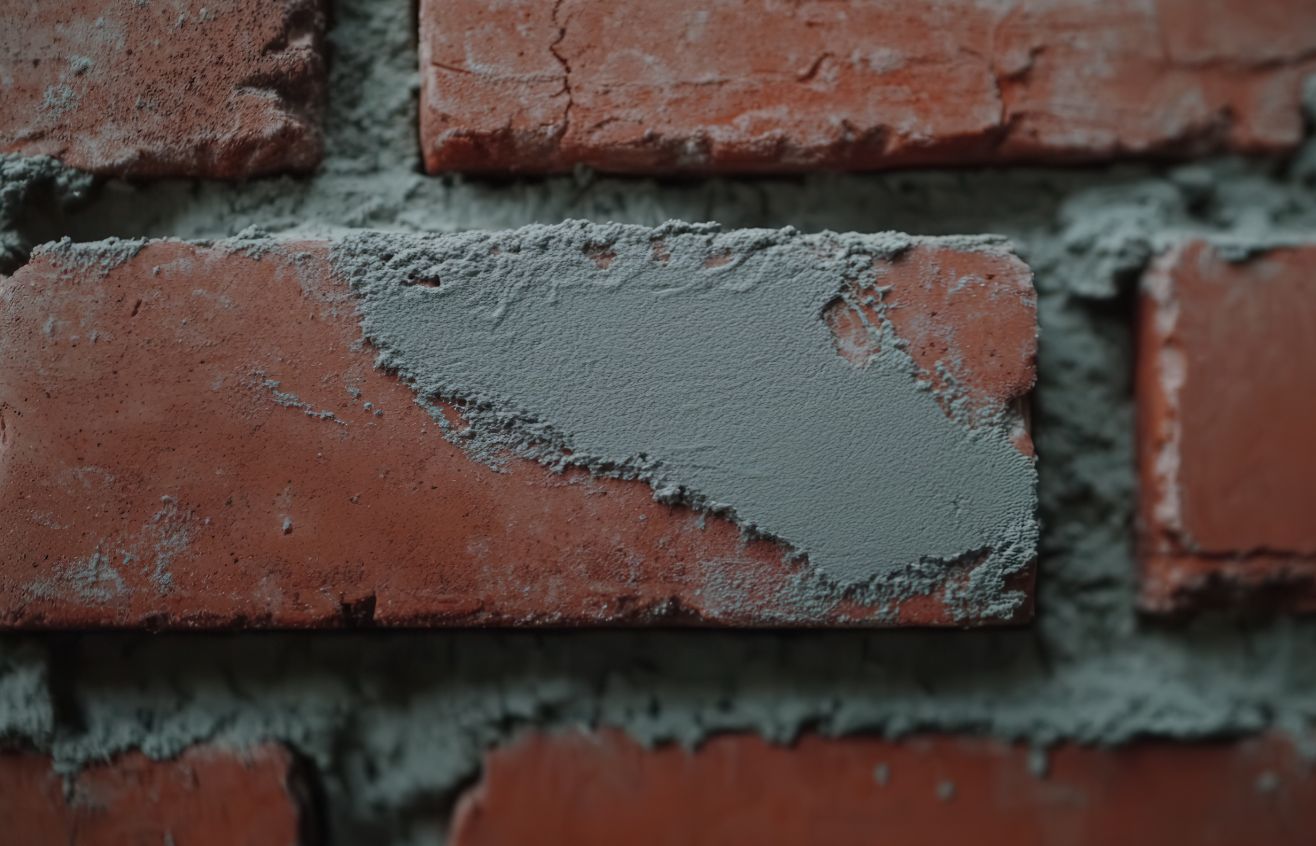
In older homes, improper past repairs can also lead to structural issues. The use of hard cement mortars on soft historic brick can trap moisture and accelerate deterioration. Without proper assessment and corrective work, these problems often worsen.
Signs a Heritage Building Needs Structural Stabilization
There are several warning signs that indicate a building may require structural attention.
Large vertical or stair step cracks in brickwork can signal foundation movement or structural stress. Bowed or bulging walls may indicate that internal support has weakened. Loose bricks, deteriorating mortar joints, and leaning chimneys are also red flags.
Inside the building, sticking doors and windows, uneven floors, and cracks in plaster walls can point to underlying structural movement. Addressing these issues early helps prevent more extensive and costly restoration work later.
The Structural Stabilization Process
Proper stabilization begins with a detailed inspection. A professional masonry assessment identifies the source of movement or deterioration and determines whether the issue is active or historic.
Depending on the condition of the building, stabilization may involve repointing deteriorated mortar joints using compatible lime mortar, rebuilding damaged sections of wall, reinforcing foundations, or installing structural anchors and ties to secure shifting masonry.
In cases where walls have begun to bow or separate, specialized reinforcement techniques can restore strength without altering the historic appearance. The goal is always to preserve as much original material as possible while ensuring the building is safe and stable.
Preserving Character While Strengthening Structure
One of the most important aspects of structural stabilization in heritage masonry is maintaining authenticity. Matching original brick, stone, and mortar is essential. Using historically appropriate materials allows the building to breathe properly and reduces future moisture related damage.
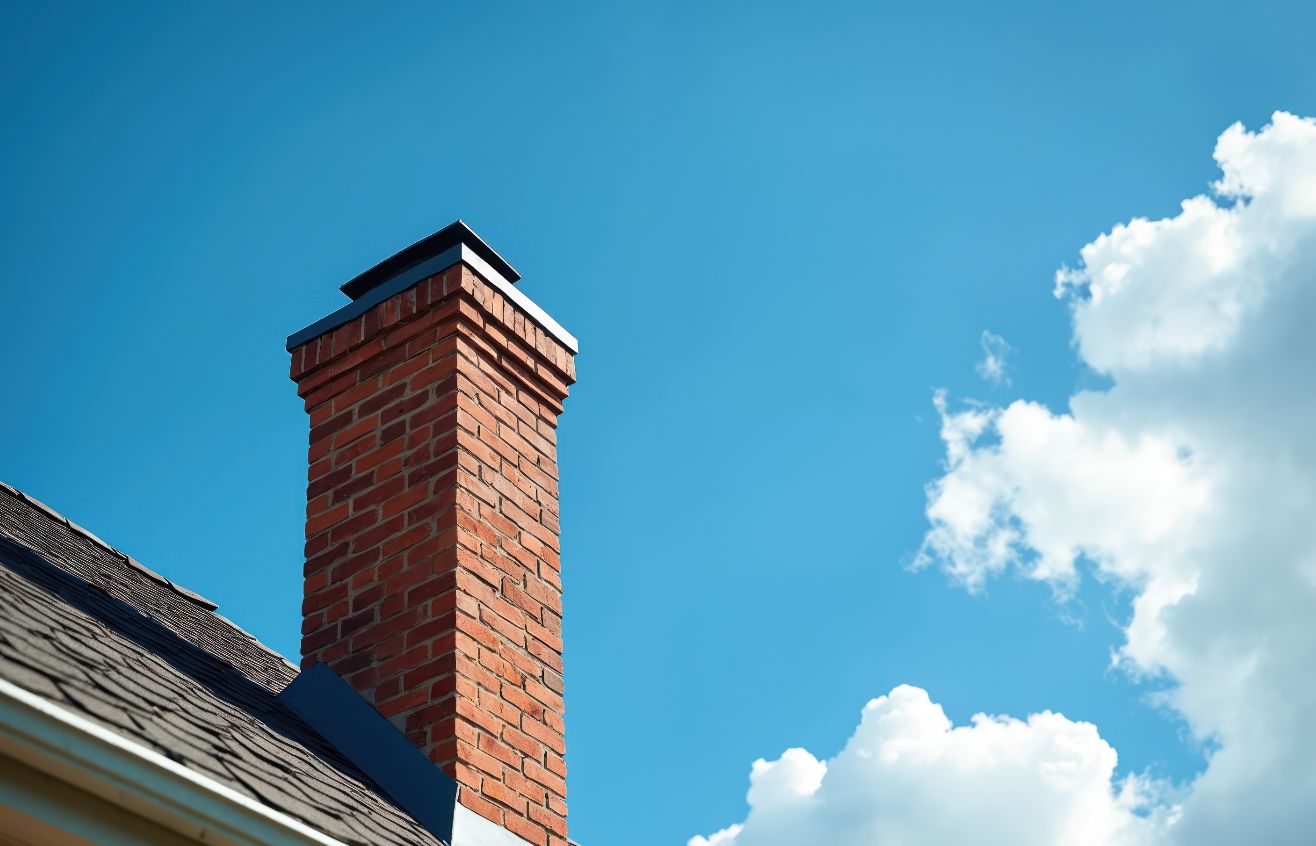
Careful restoration protects architectural details such as decorative brickwork, arches, and chimneys. When performed correctly, stabilization work blends seamlessly with the original construction.
Protecting Long Term Value
Heritage properties often carry significant historical and financial value. Structural issues that are left unresolved can reduce property value and create safety concerns. Proper stabilization not only protects the building but also preserves its character for future generations.
In Simcoe County, where many century homes and historic structures remain in use, proactive structural restoration is an investment in both safety and legacy.
Protect Your Heritage Property
If you own a heritage masonry building and have noticed cracks, shifting brickwork, or other signs of structural movement, do not wait for the problem to worsen. Early intervention can prevent extensive damage and protect the character of your property.
Contact Chameleon Masonry today to schedule a professional assessment. Our team specializes in structural stabilization and historic masonry restoration throughout Simcoe County, helping preserve the strength and beauty of heritage buildings for years to come.
.png)
.png)
.png)



.png)
.png)


.png)
.png)





.jpg)
.jpg)
.jpg)
.jpg)
.jpg)
.jpg)
.jpg)
.jpg)
.jpg)
.jpg)
.jpg)
.jpg)
.jpg)
.jpg)
.jpg)
.jpg)
.jpg)
.jpg)
.jpg)
.jpg)
.jpg)
.jpg)
.jpg)
.jpg)
.jpg)
.jpg)
.jpg)
.jpg)
.jpg)
.jpg)
.jpg)
.jpg)
.jpg)

Contact Us For A Free Consultation
Have questions or ready to start your masonry restoration project? Our dedicated team of masonry experts are here to help. Whether you’re exploring historical restoration, custom masonry modifications, or need expert brick repair, we’re just a call or click away.