Restoring a Century Home in Kleinburg and Woodbridge: A Masonry Guide
Vaughan is known for its newer neighbourhoods, but tucked inside it are some of the GTA's most charming heritage pockets. The village core of Kleinburg, the older streets of Woodbridge around the Humber, and scattered farmhouses throughout the city date back a hundred years or more. If you own one of these homes, you own a piece of the region's history, and the brick and stone holding it together deserve a different approach than anything built after the war.
Century home renovation is having a moment across Ontario, and for good reason. These homes were built with materials and craftsmanship that are difficult to reproduce today. But renovating one successfully starts with understanding how its masonry works, because getting that wrong is the fastest way to damage the very character you're trying to preserve.
How Century Home Masonry Is Different
Homes built before roughly 1940 typically feature solid masonry walls: two or three layers (called wythes) of brick bonded together, carrying the structure's weight. There's no wood frame hiding behind the brick. The wall is the house.
Those walls were built with soft, locally fired brick and lime-based mortar, and the combination was intentional. Lime mortar is flexible and breathable. It absorbs the small movements of the building, lets moisture escape through the joints, and slowly sacrifices itself over decades so the brick doesn't have to. When it wears down, you repoint it, and the wall is good for another generation. It's a system that has kept buildings standing for centuries.
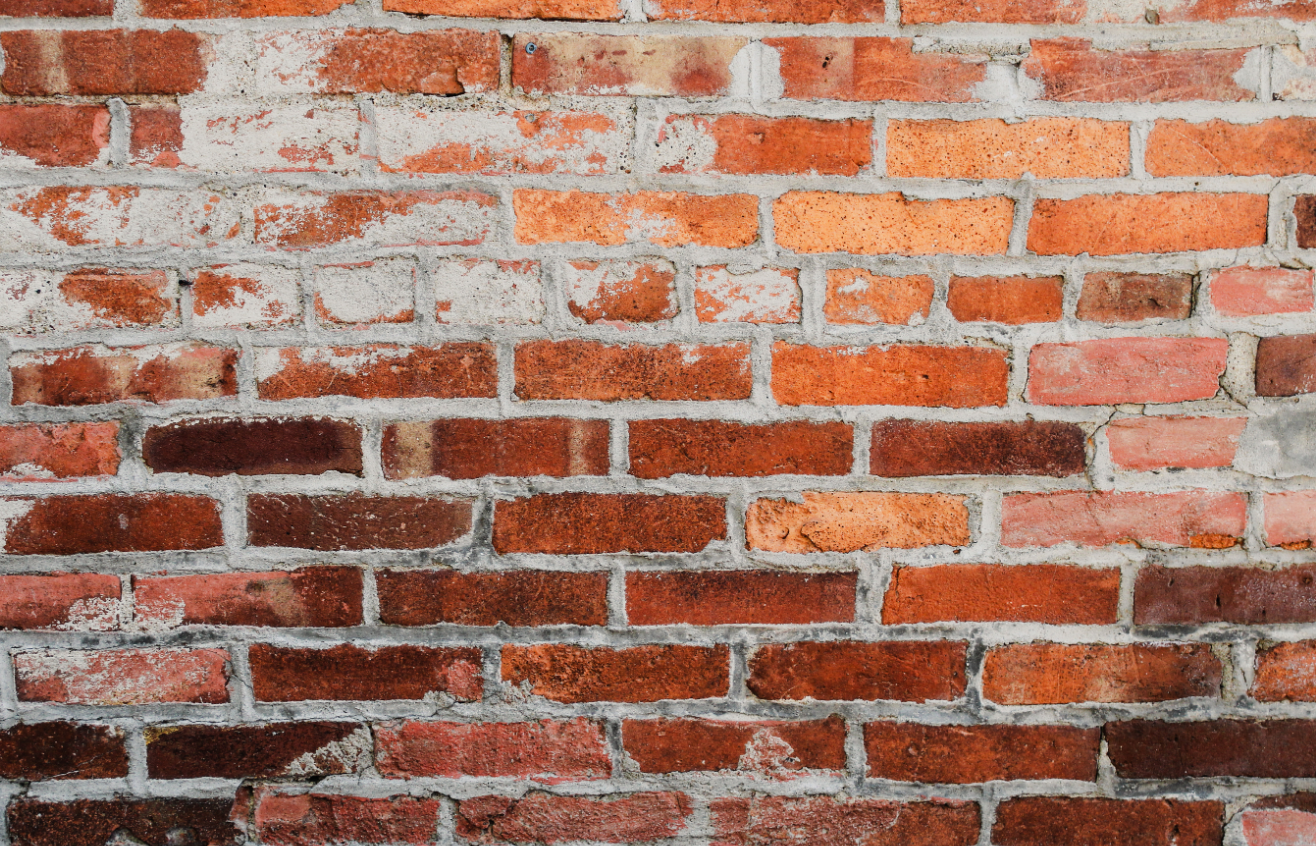
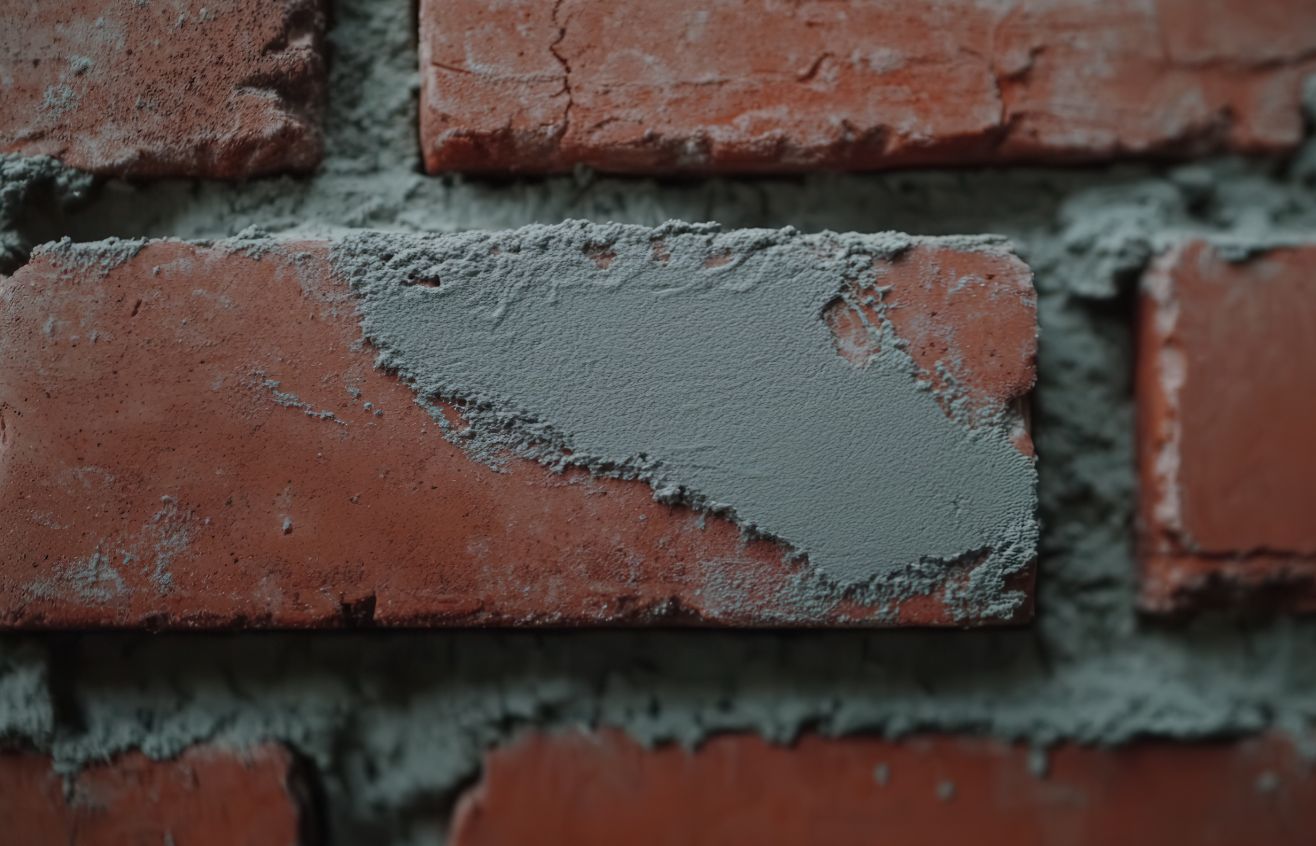
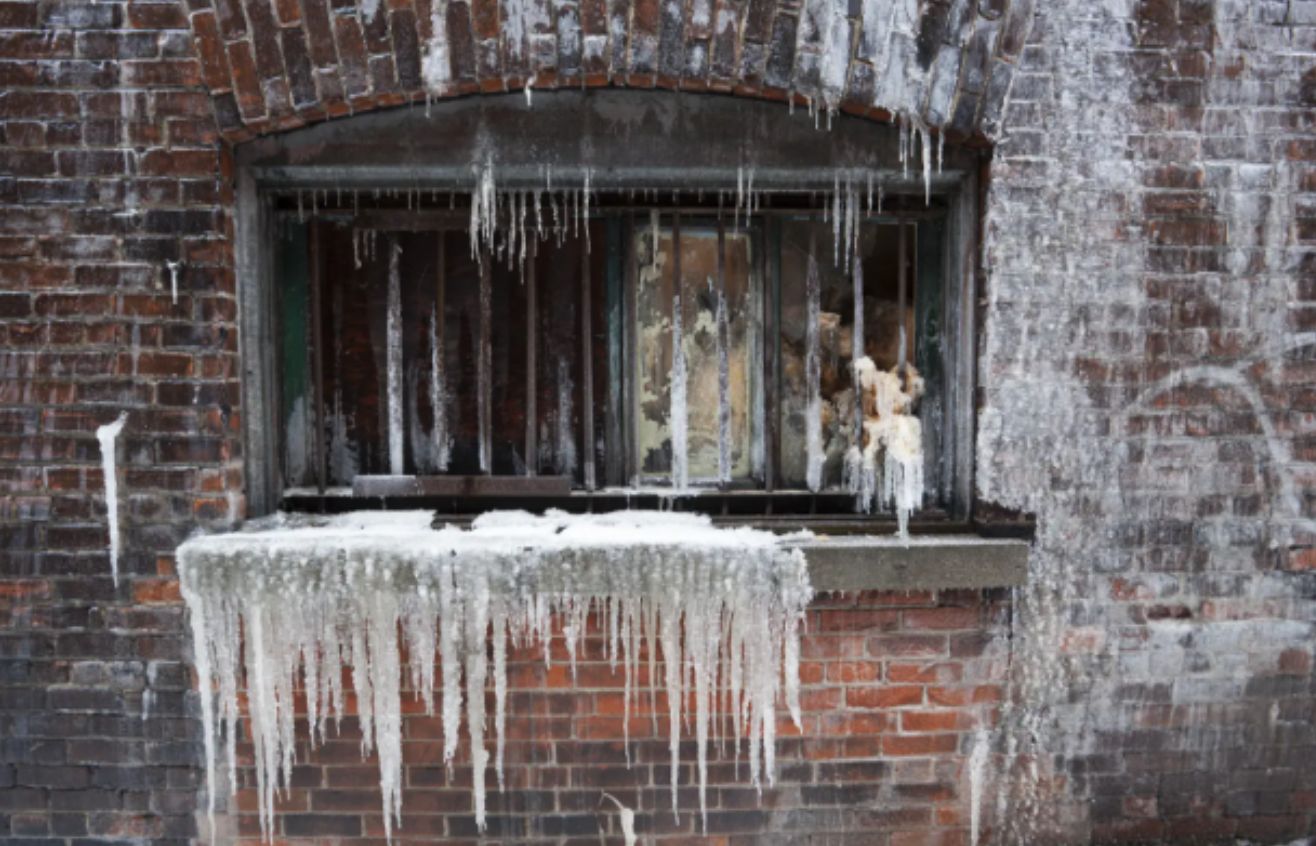
Modern materials break that system. Portland cement mortar is harder than century brick, and when it's used to patch old joints, moisture gets forced out through the brick faces instead. The brick spalls, the wall degrades, and the "repair" ends up causing damage that's expensive to undo. On heritage homes, the wrong mortar is the single most destructive mistake a well-meaning owner can make.
Planning a Restoration: Where Masonry Fits
If you're taking on a century home in Kleinburg or Woodbridge, the masonry assessment should come early in your renovation planning, before finishes, before landscaping, ideally before you finalize budgets for the interior work. Structural and envelope issues in the brick affect everything downstream.
A proper heritage masonry assessment looks at:
Mortar condition and composition. A mason experienced with older buildings will identify what the original mortar was made of and spot past repairs done with incompatible materials.
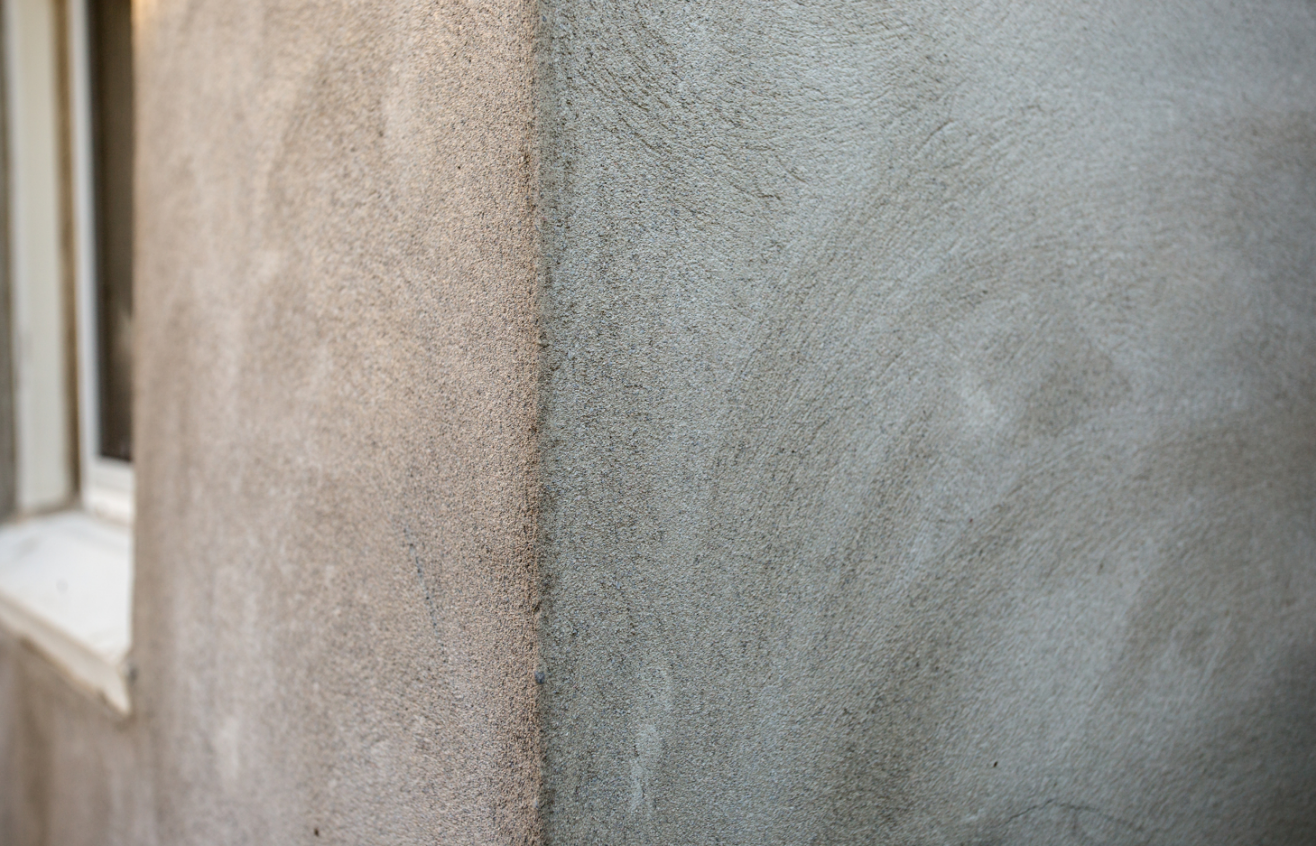
Foundation and parging. Many century homes sit on rubble stone or early block foundations. Cracked or failing parging, damp interior walls, and crumbling stone at grade are all common and all addressable.
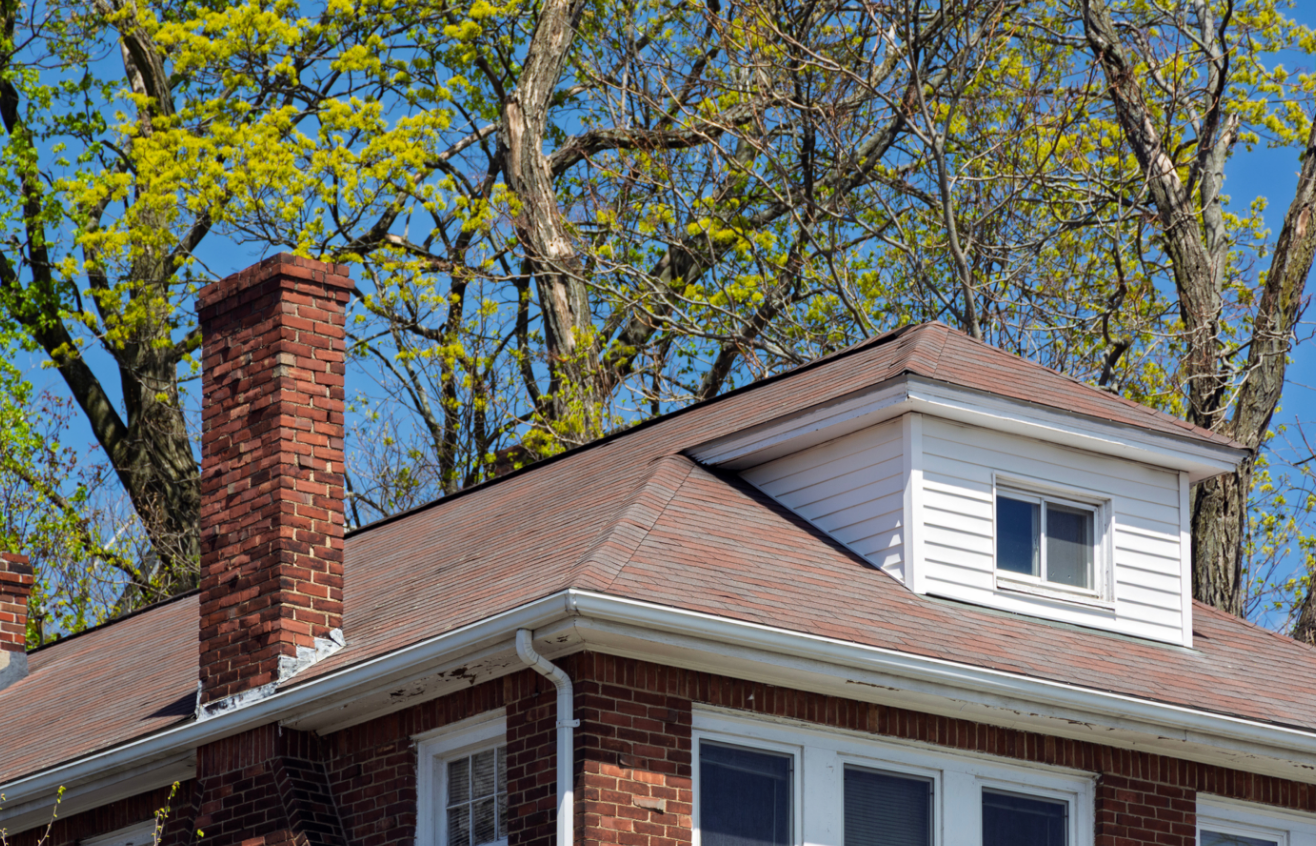
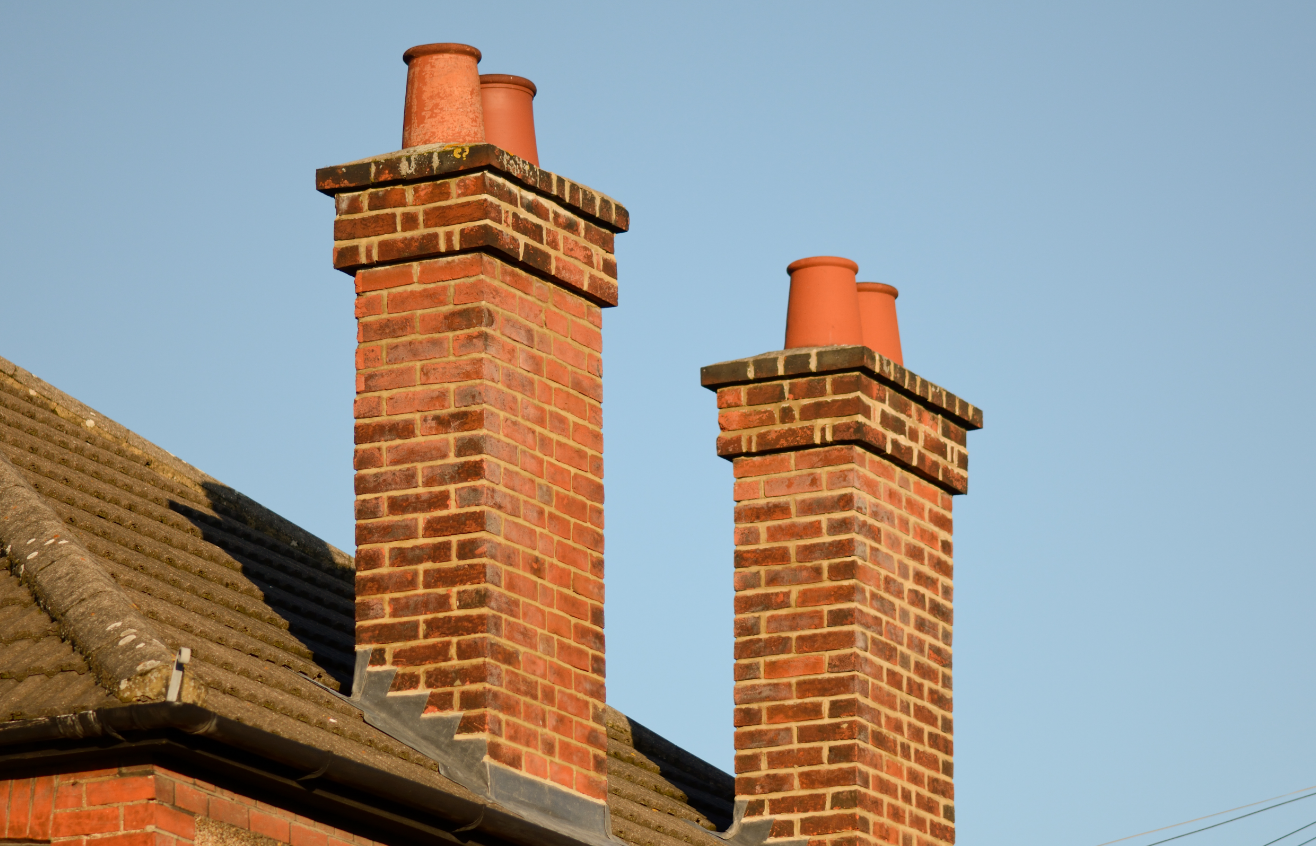
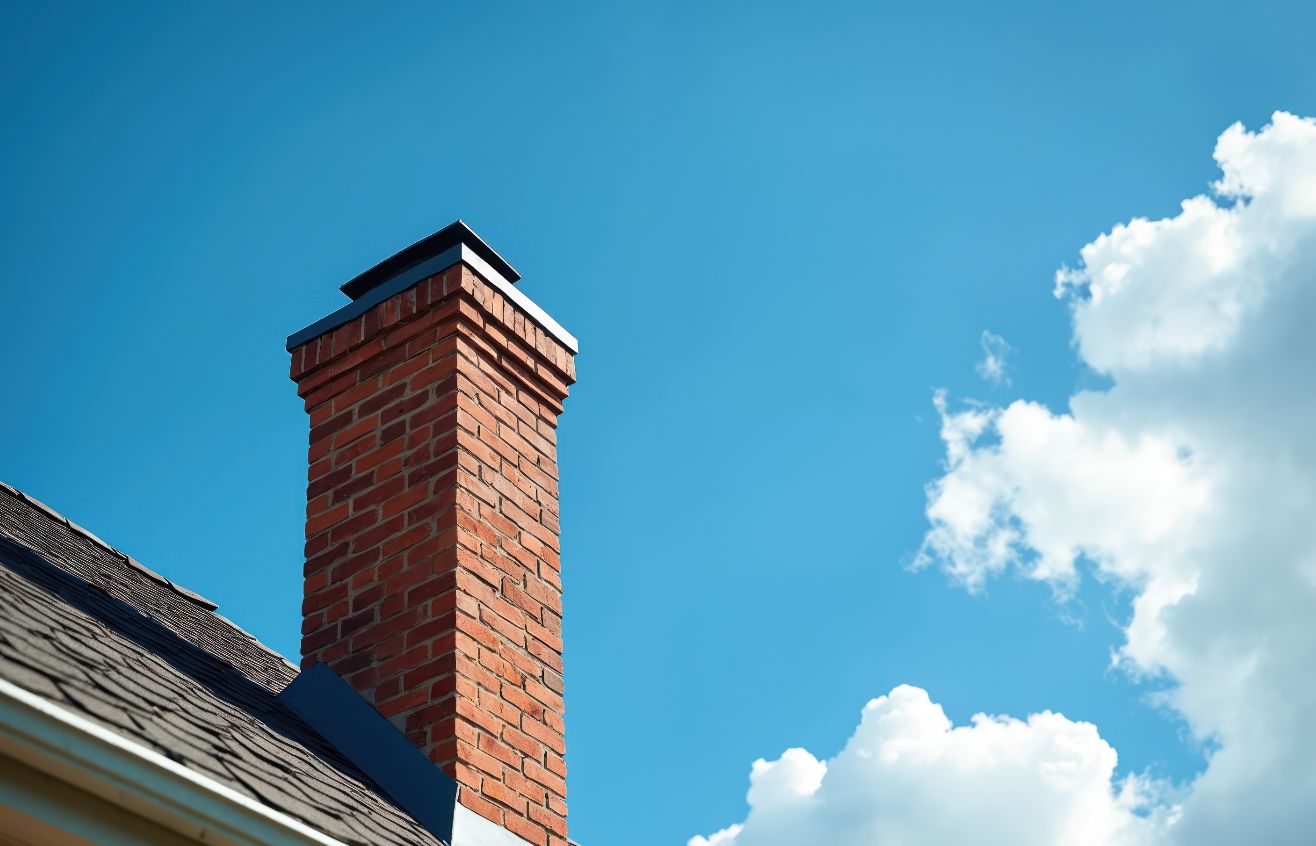
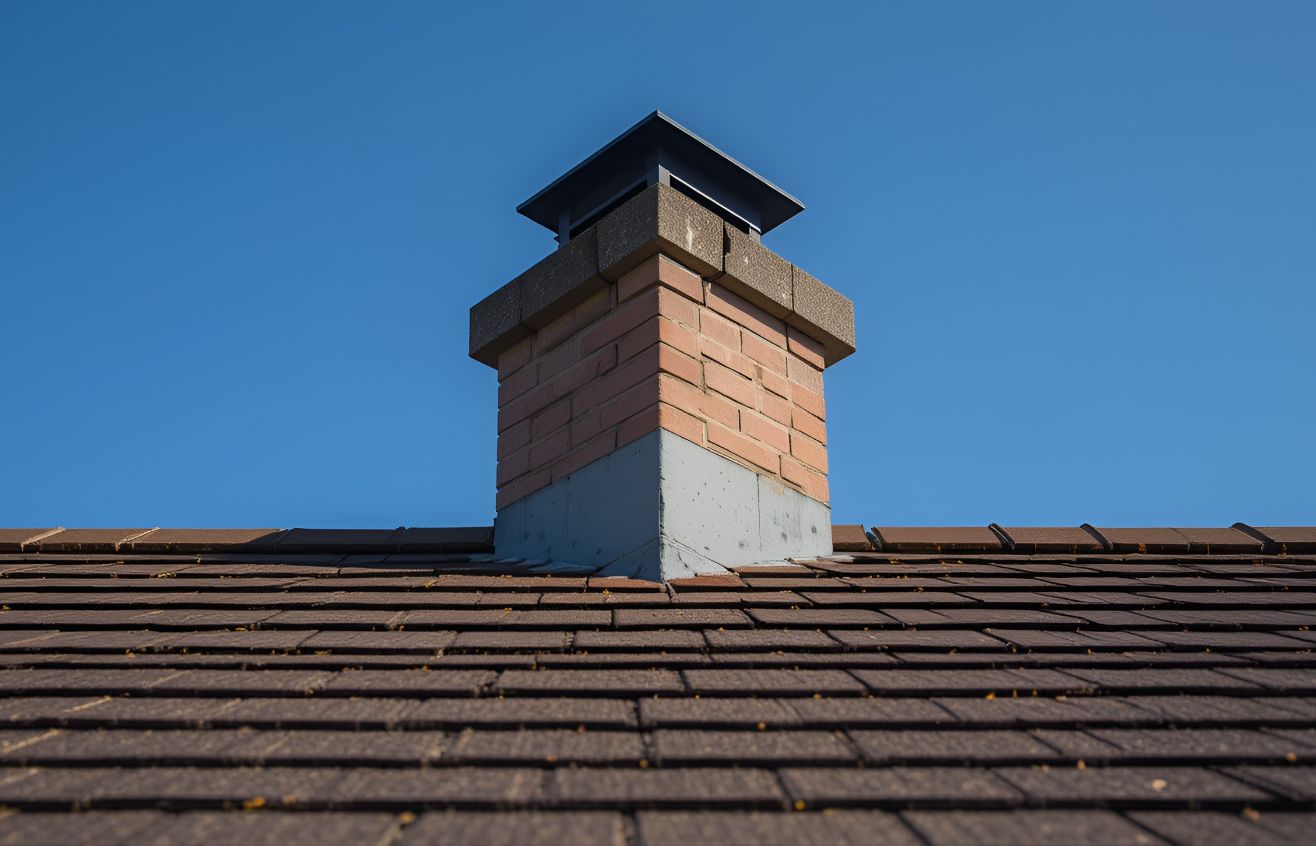
Chimneys. Original chimneys are usually the most weathered masonry on the house, and many have been abandoned, capped, or partially rebuilt over the decades. They need evaluation both for structure and for water entry.
Openings and sills. Window and door openings concentrate stress and water. Sagging brick arches, cracked stone sills, and rusted steel lintels from past renovations show up constantly on homes of this era.
Previous alterations. Nearly every century home has been touched before. Old additions, bricked-in doorways, and patched sections tell you where problems tend to hide.
Restoration Done Right
The guiding principle in heritage masonry is to repair rather than replace, and to replace in kind when repair isn't possible. In practice, that means raking out failed joints by hand and repointing with a lime-based mortar matched to the original in strength, colour, sand texture, and joint profile. It means salvaging original brick wherever possible, sourcing reclaimed brick from the same era when it isn't, and resisting the urge to make a 120-year-old wall look factory-new. The gentle irregularity of old brickwork is the character buyers and neighbours notice.
It also means restraint with cleaning. Sandblasting, aggressive pressure washing, and harsh chemical cleaners strip the fired skin off old brick and open it up to moisture. Heritage brick should be cleaned gently or not at all.
Why It's Worth Doing Properly
In Kleinburg especially, heritage character is a large part of property value, and the village's designated areas mean exterior changes to some properties need to respect heritage guidelines. Sympathetic, well-executed masonry restoration protects your investment on both fronts. It also simply works better: a solid brick wall with sound lime mortar joints manages moisture and temperature the way it was designed to, and will keep doing so long after a shortcut repair has failed.
A century home rewards owners who work with the building instead of against it. The masonry is where that starts.
Chameleon Masonry specializes in heritage and century home masonry restoration, repointing, and brick repair across Kleinburg, Woodbridge, Vaughan, Toronto, Markham, Newmarket, and throughout Barrie and Simcoe County. If you're planning a restoration or want an honest read on your home's brickwork, contact us before the next phase of your project.
.png)
.png)
.png)


.png)
.png)


.png)
.png)







.jpg)
.jpg)
.jpg)
.jpg)
.jpg)
.jpg)
.jpg)
.jpg)
.jpg)
.jpg)
.jpg)
.jpg)
.jpg)
.jpg)
.jpg)
.jpg)
.jpg)
.jpg)
.jpg)
.jpg)
.jpg)
.jpg)
.jpg)
.jpg)
.jpg)
.jpg)
.jpg)
.jpg)
.jpg)
.jpg)
.jpg)
.jpg)
.jpg)

Contact Us For A Free Consultation
Have questions or ready to start your masonry restoration project? Our dedicated team of masonry experts are here to help. Whether you’re exploring historical restoration, custom masonry modifications, or need expert brick repair, we’re just a call or click away.