.png)
Tuckpointing vs. Repointing: What's the Difference and Which One Does Your Home Need?
If you have been researching masonry repair, you have likely come across the terms "tuckpointing" and "repointing." Some contractors use the terms interchangeably, while others describe them as completely different services.
The confusion is understandable. Both involve repairing mortar joints between bricks, but they serve slightly different purposes. Understanding the distinction can help you better evaluate repair recommendations and determine what your home actually needs.
What Is Repointing?
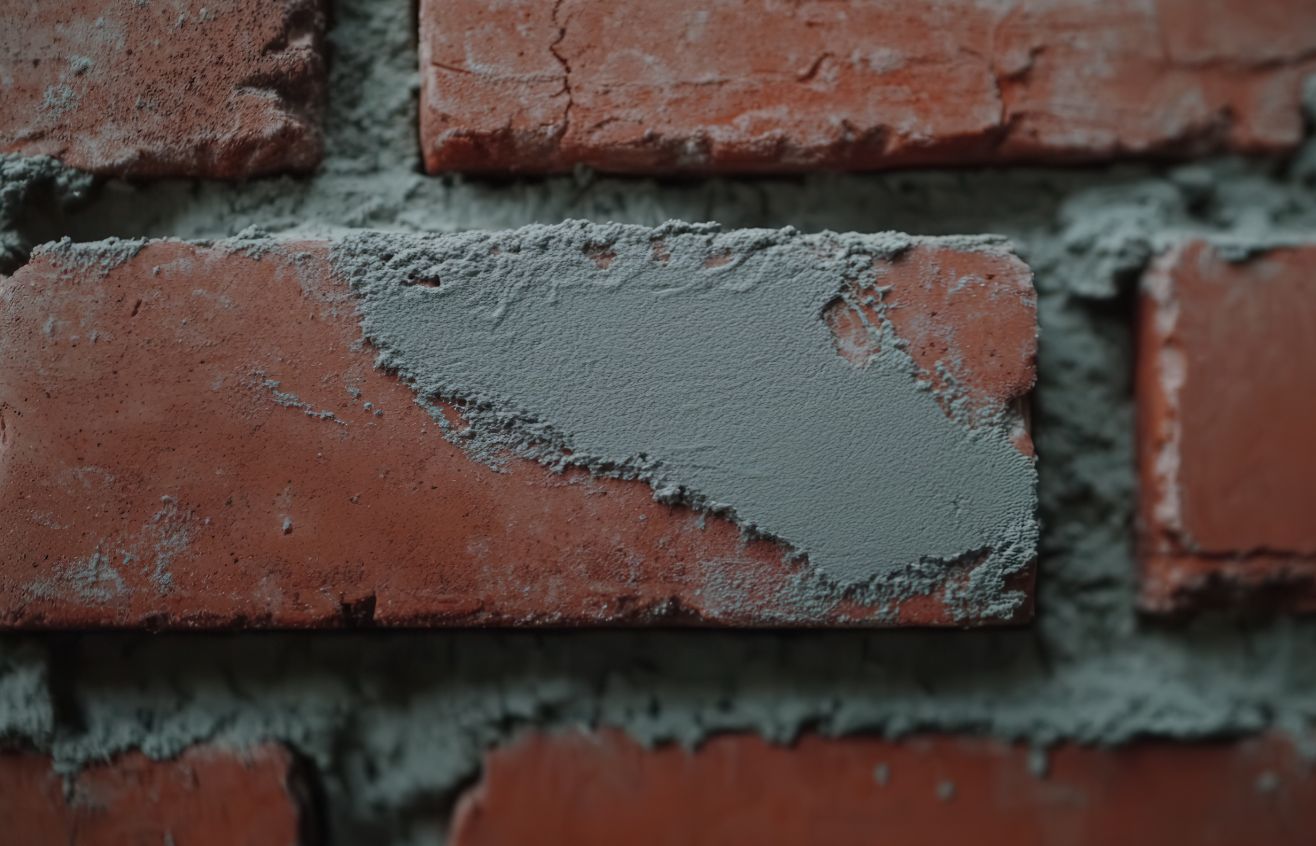
Repointing is the process of removing deteriorated mortar from between bricks and replacing it with new mortar.
Over time, mortar joints wear down due to moisture, freeze-thaw cycles, and natural aging. Because mortar is intentionally softer than brick, it absorbs movement and weathering before the brick itself becomes damaged.
During the repointing process, damaged mortar is typically removed to a depth of approximately 15 to 20 mm. The joints are then cleaned and filled with fresh mortar that matches the existing material.
Why Repointing Is Important
Repointing helps:
- Prevent water infiltration
- Protect bricks from deterioration
- Improve structural stability
- Extend the lifespan of masonry walls
- Restore the appearance of brickwork
For older homes throughout Barrie and Simcoe County, repointing is one of the most important forms of preventative masonry maintenance.
What Is Tuckpointing?
Tuckpointing is a specific finishing technique that creates a decorative appearance within the mortar joints.
Traditionally, tuckpointing involves filling the joint with mortar that closely matches the colour of the surrounding brick. A thin contrasting line, often white, is then applied down the centre of the joint.
This creates the illusion of perfectly uniform, narrow mortar joints and gives brickwork a refined, high-end appearance.
Where Tuckpointing Is Commonly Used
Traditional tuckpointing is often found on:
- Heritage buildings
- Historic homes
- Restoration projects
- Architectural masonry features
The technique was originally developed to make standard brickwork appear more expensive and precise.
Why Do People Use the Terms Interchangeably?
In Canada and the United States, the term "tuckpointing" is frequently used as a general description for any mortar joint repair.
In reality, most homeowners who request tuckpointing are actually referring to repointing.
For practical purposes, when discussing masonry repairs on residential homes in Barrie, Collingwood, Orillia, or elsewhere in Simcoe County, the primary concern is usually whether the mortar joints need to be repaired rather than which technical term is being used.
How to Tell If Your Mortar Joints Need Repair
Several signs indicate that repointing may be necessary.
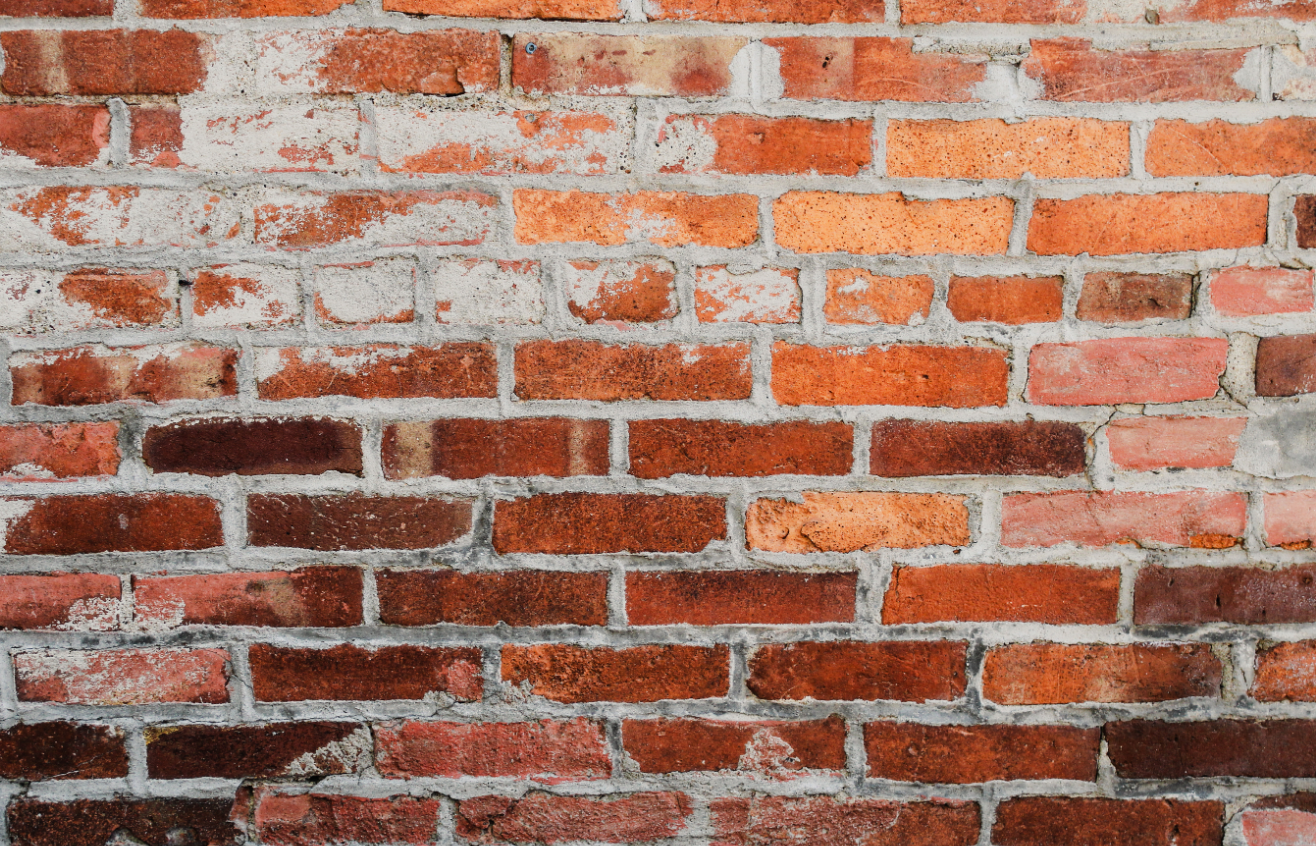
Recessed Mortar Joints
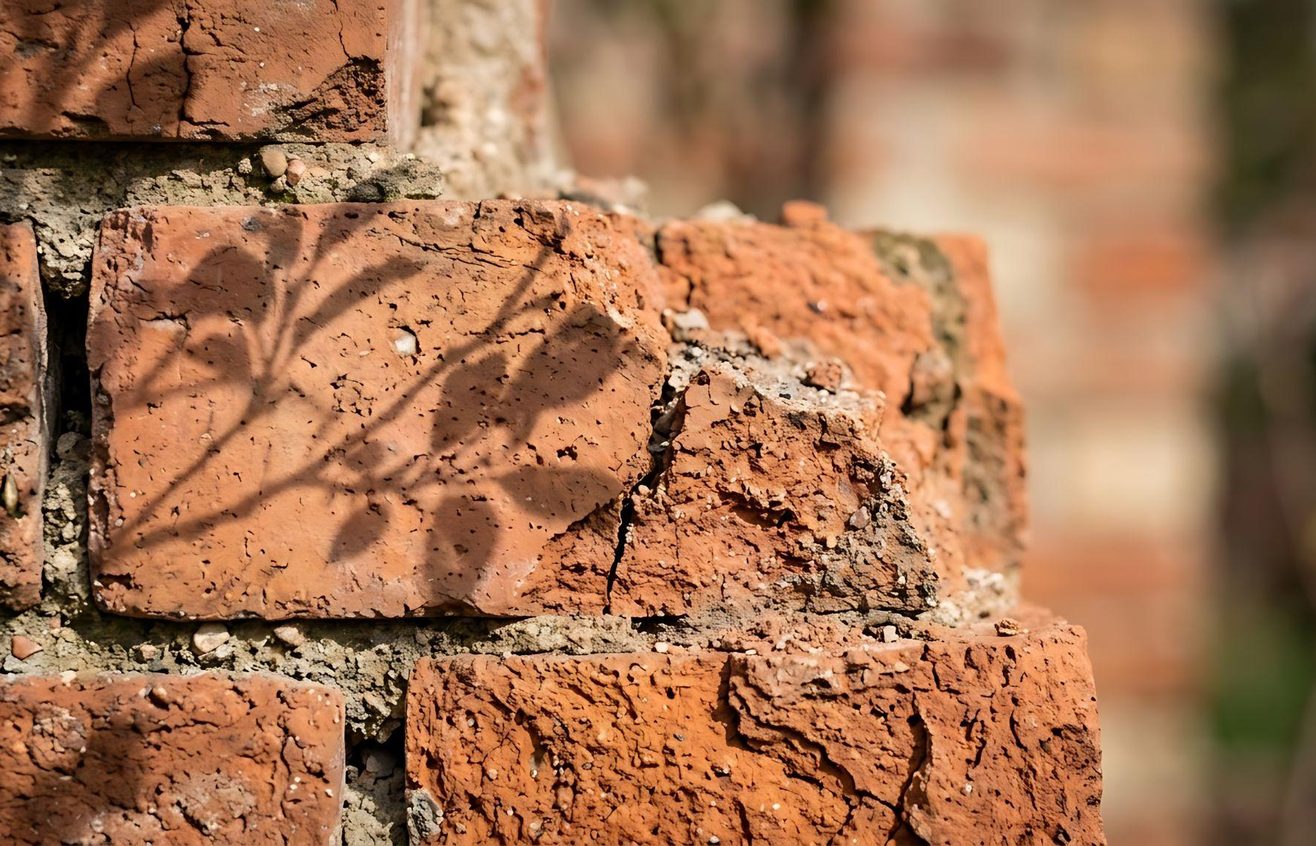
If the mortar sits noticeably behind the face of the brick, it may be deteriorating and allowing water penetration.
Crumbling or Soft Mortar
Healthy mortar should remain firm and intact. If it crumbles easily when touched or scraped, repairs may be needed.
Cracks Along Mortar Lines
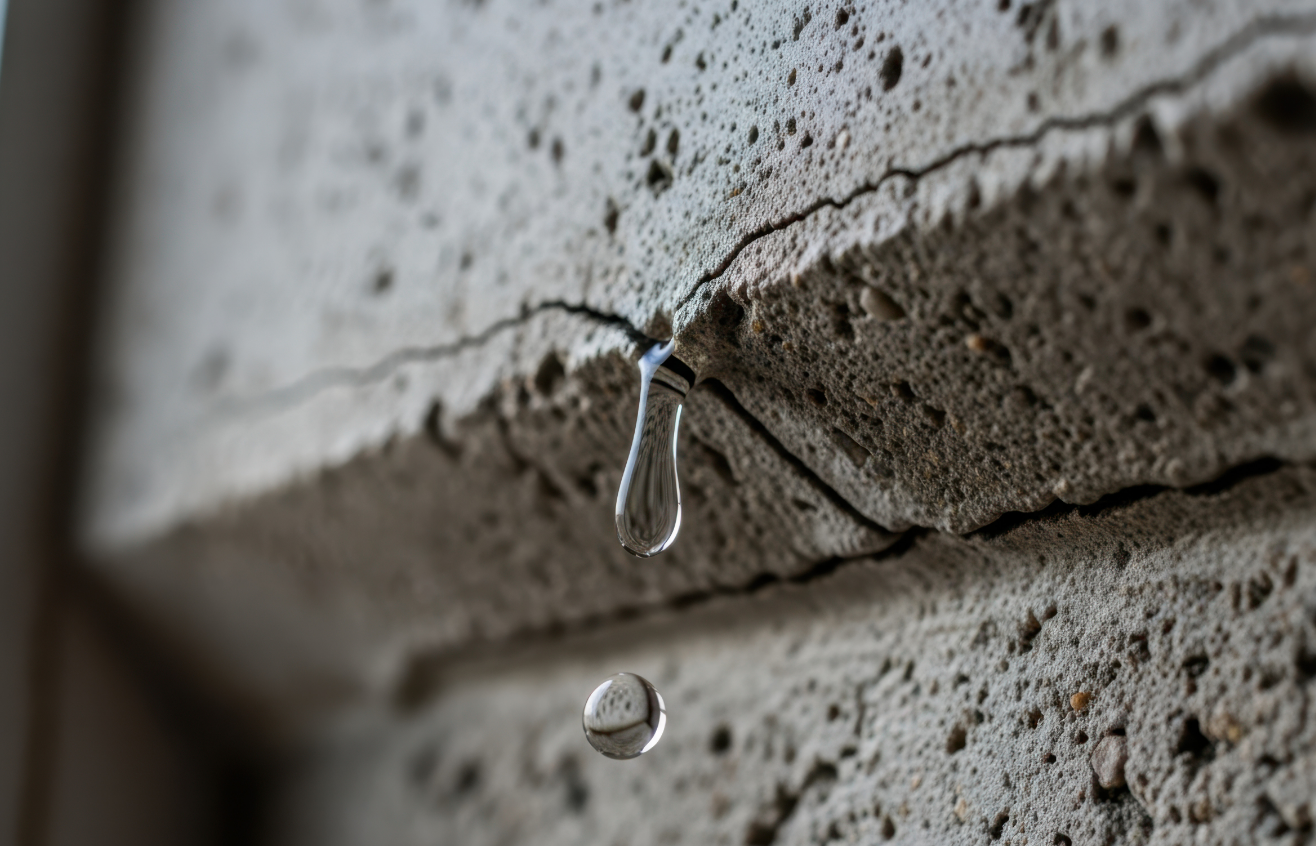
Visible cracks in mortar joints can create pathways for water to enter the wall system.
Missing Mortar
Gaps where mortar has fallen out completely should be repaired promptly to prevent further deterioration.
Efflorescence
White, powdery mineral deposits on brick surfaces often indicate that moisture is moving through the masonry and may point to failing mortar joints.
What Does the Repair Process Involve?
Whether a contractor refers to the service as repointing or tuckpointing, the repair process typically begins with removing deteriorated mortar.
Mortar Removal
Damaged mortar is carefully removed using specialized tools such as grinders or hand chisels.
Proper depth is critical. Removing too little mortar can prevent the new material from bonding correctly and may lead to premature failure.
Joint Preparation
The joints are cleaned of dust and debris and may be dampened before new mortar is applied.
Mortar Installation
New mortar is packed into the joints and finished to match the existing profile and appearance of the wall.
Mortar Matching
One of the most important aspects of quality masonry repair is selecting the correct mortar mix.
Using mortar that is harder than the original material can place unnecessary stress on the brick itself, potentially causing future damage. Experienced masons carefully match the strength, composition, and appearance of the original mortar whenever possible.
Why Joint Profiles Matter
The finished shape of the mortar joint affects both appearance and performance.
Common mortar joint profiles include:
- Weathered joints
- Struck joints
- Flush joints
- Rodded joints
Each profile handles water runoff differently and contributes to the overall look of the masonry.
Professional Repointing and Tuckpointing Services in Simcoe County
Chameleon Masonry provides expert repointing, tuckpointing, masonry restoration, and heritage brick repair services throughout Barrie, Collingwood, Orillia, Wasaga Beach, Innisfil, Springwater, and surrounding Simcoe County communities.
If your mortar joints are showing signs of deterioration, our team can assess your masonry and recommend the most effective repair solution to protect your home and preserve its appearance.
Contact Chameleon Masonry today to schedule an inspection.
.png)
.png)
.png)



.png)


.png)
.png)






.jpg)
.jpg)
.jpg)
.jpg)
.jpg)
.jpg)
.jpg)
.jpg)
.jpg)
.jpg)
.jpg)
.jpg)
.jpg)
.jpg)
.jpg)
.jpg)
.jpg)
.jpg)
.jpg)
.jpg)
.jpg)
.jpg)
.jpg)
.jpg)
.jpg)
.jpg)
.jpg)
.jpg)
.jpg)
.jpg)
.jpg)
.jpg)
.jpg)

Contact Us For A Free Consultation
Have questions or ready to start your masonry restoration project? Our dedicated team of masonry experts are here to help. Whether you’re exploring historical restoration, custom masonry modifications, or need expert brick repair, we’re just a call or click away.