.png)
Chimney Repair in Barrie: Signs You Need a Mason Before Winter
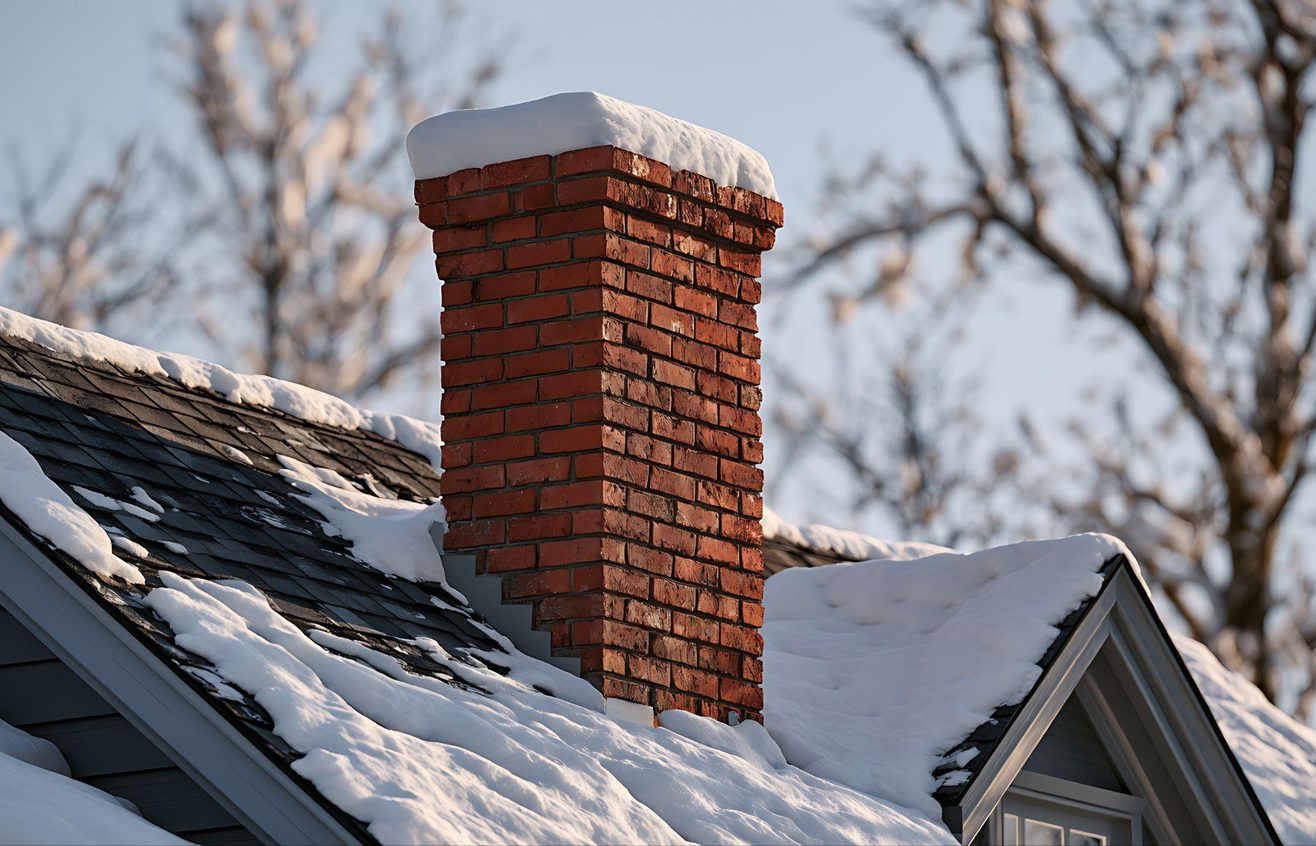
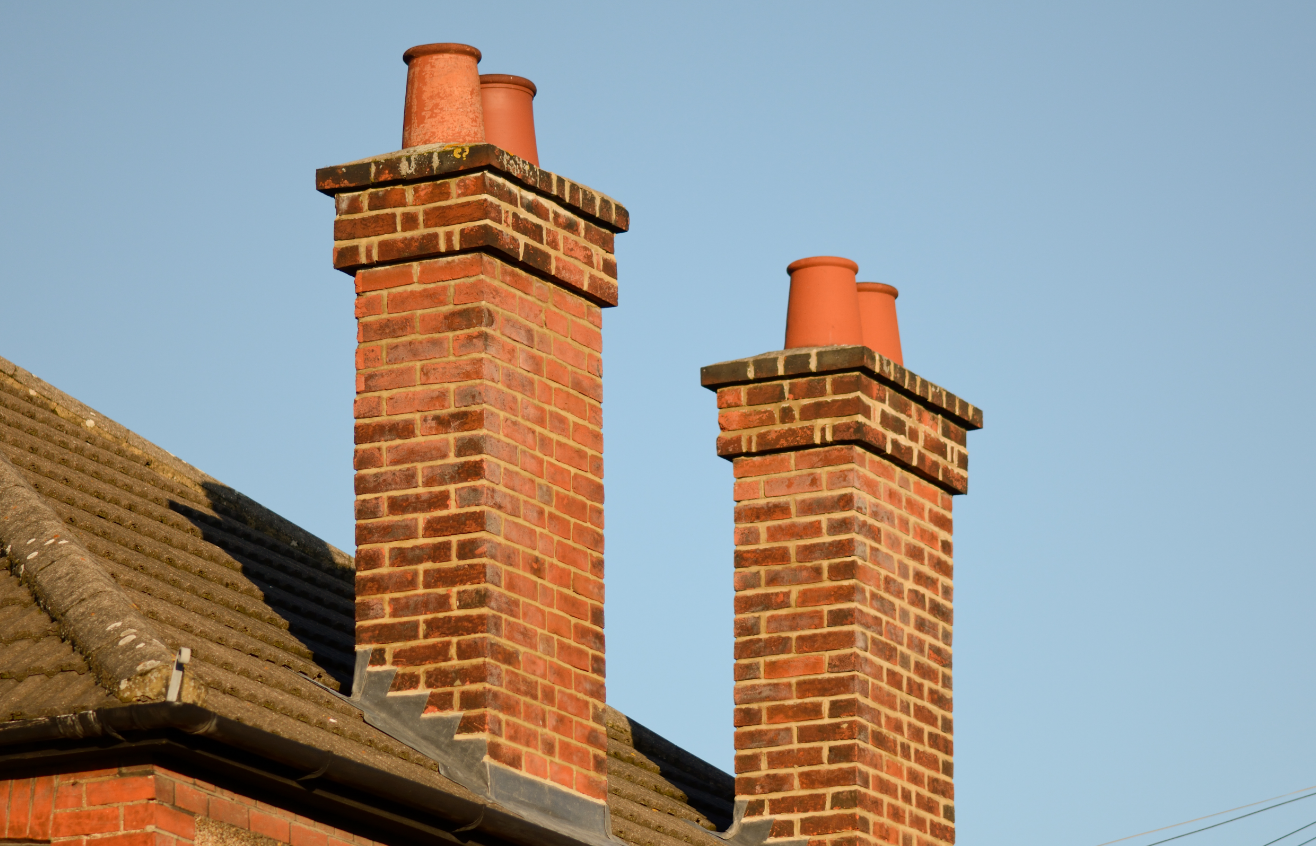
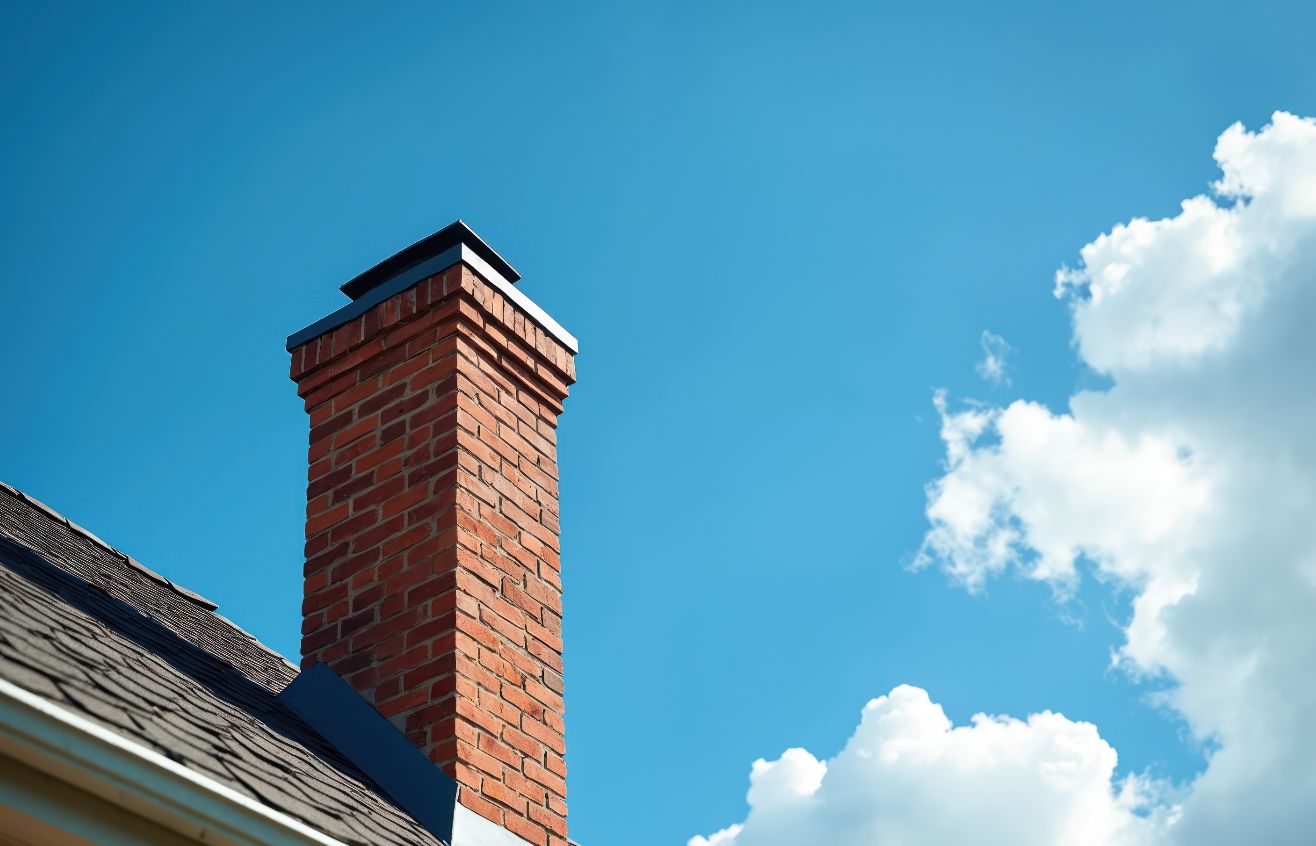
Chimneys endure some of the harshest conditions on any home. Constant exposure to rain, snow, wind, freeze-thaw cycles, and the byproducts of combustion can gradually wear down brick and mortar over time.
In Barrie, where winters are long and temperature fluctuations are common, chimney deterioration can happen faster than many homeowners realize. Addressing issues before winter arrives can help prevent costly repairs, water damage, and potential safety concerns.
What Causes Chimney Damage?
The primary cause of chimney deterioration is moisture.
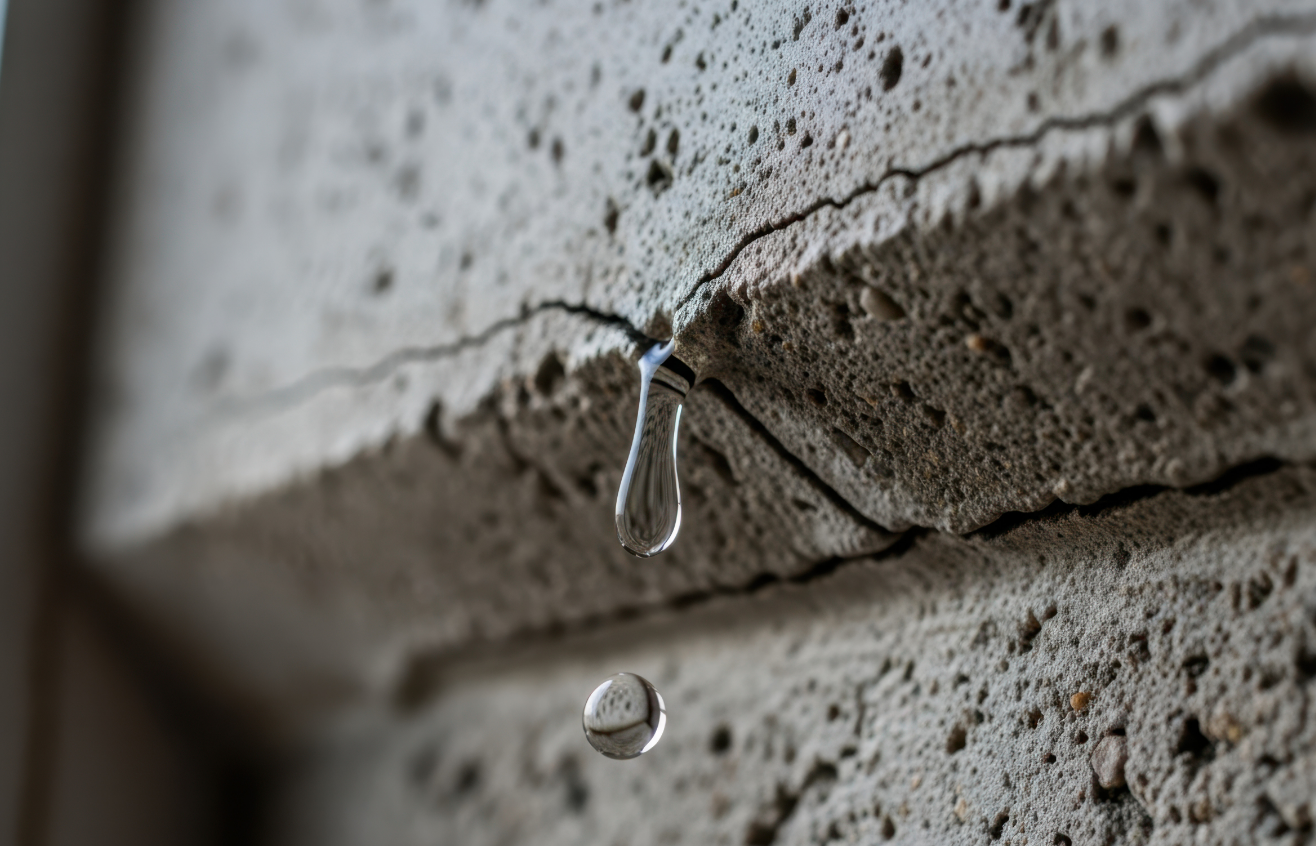
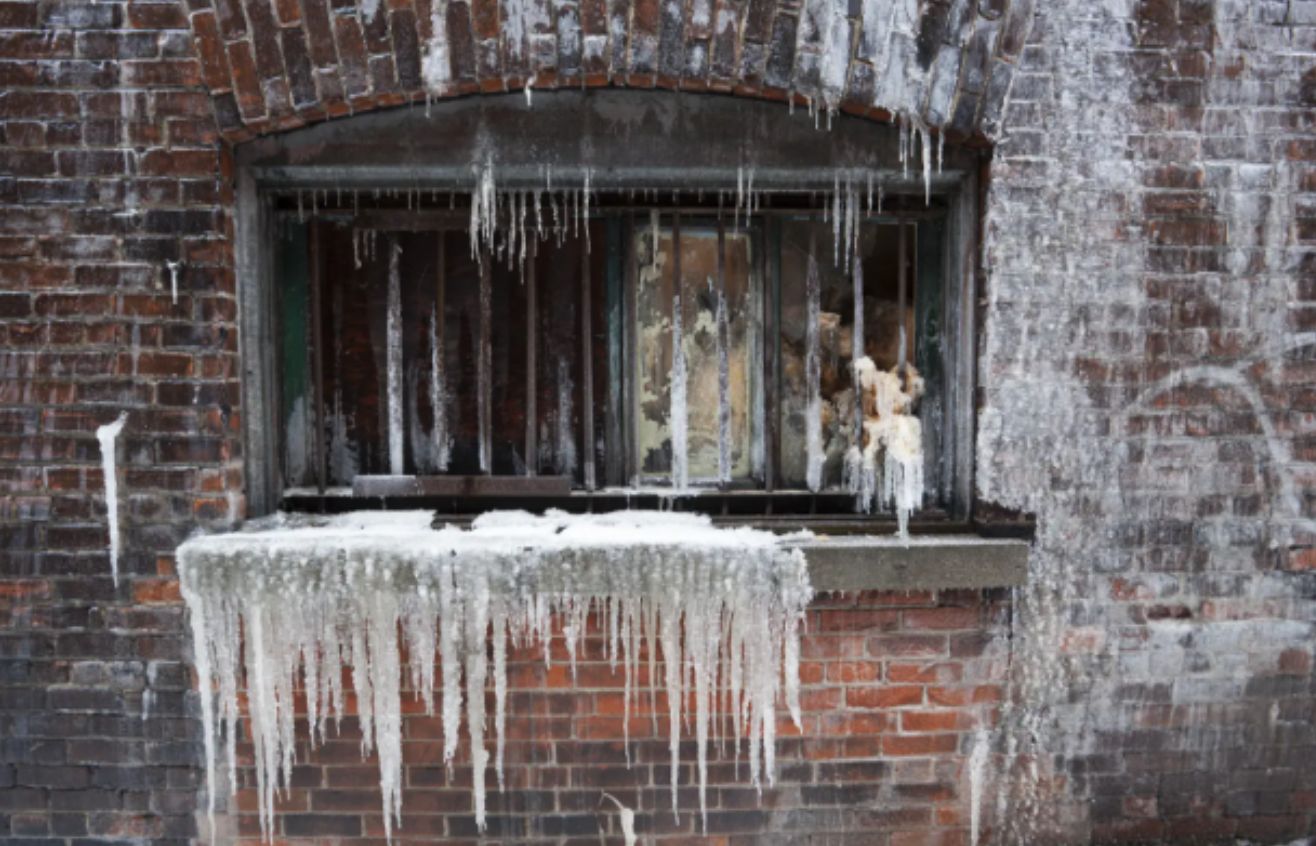
Unlike exterior walls that benefit from overhangs and siding protection, chimneys are fully exposed to the elements year-round. Water penetrates mortar joints and brick surfaces, and when temperatures drop below freezing, that moisture expands, causing cracks and deterioration.
Over time, repeated freeze-thaw cycles can loosen bricks, erode mortar joints, and compromise the structural integrity of the chimney.
Common Sources of Chimney Deterioration
Damaged or Missing Chimney Caps
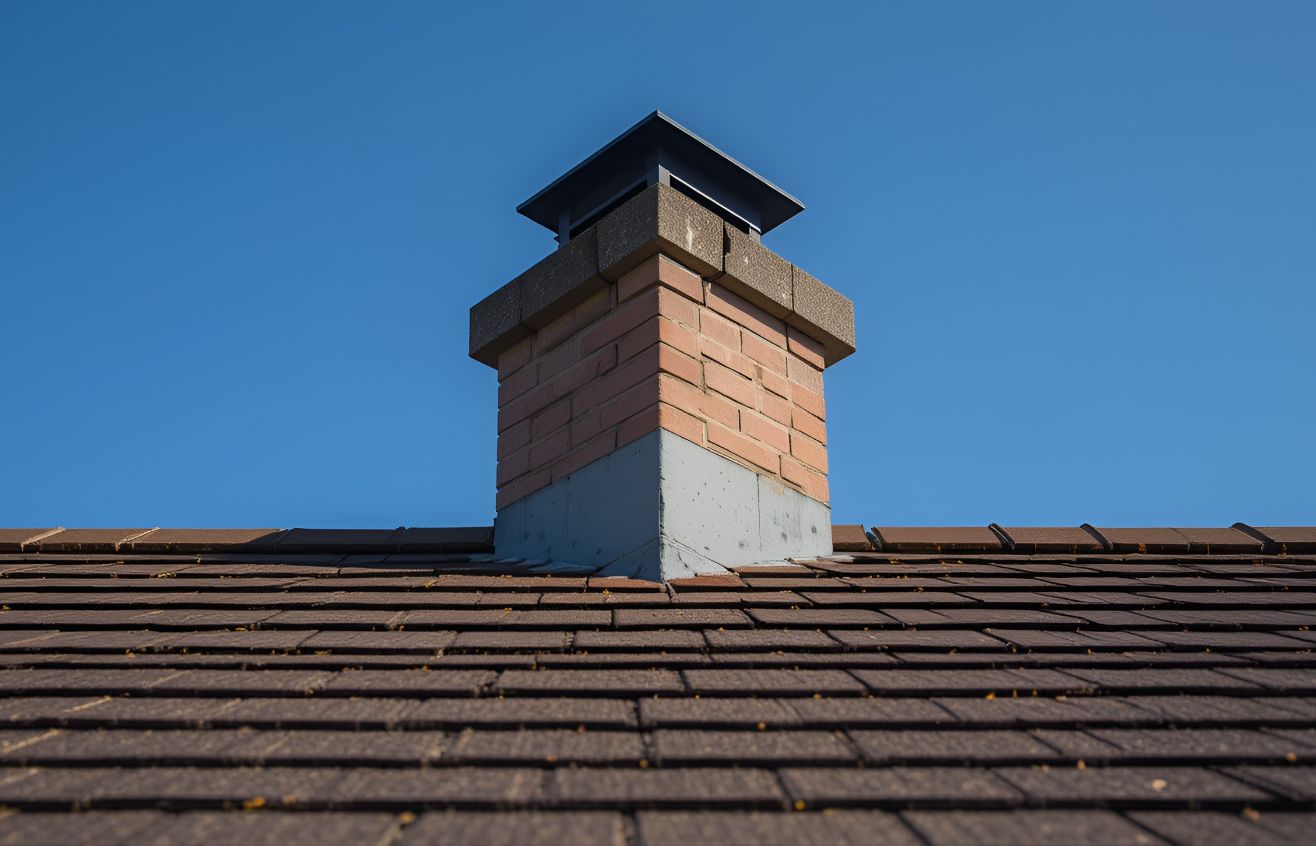
The chimney cap serves as the first line of defense against water intrusion.
When a cap becomes cracked, damaged, or goes missing entirely, rain and snow can enter directly through the flue. This accelerates deterioration inside the chimney and increases the risk of moisture-related damage.
Failed Chimney Flashing
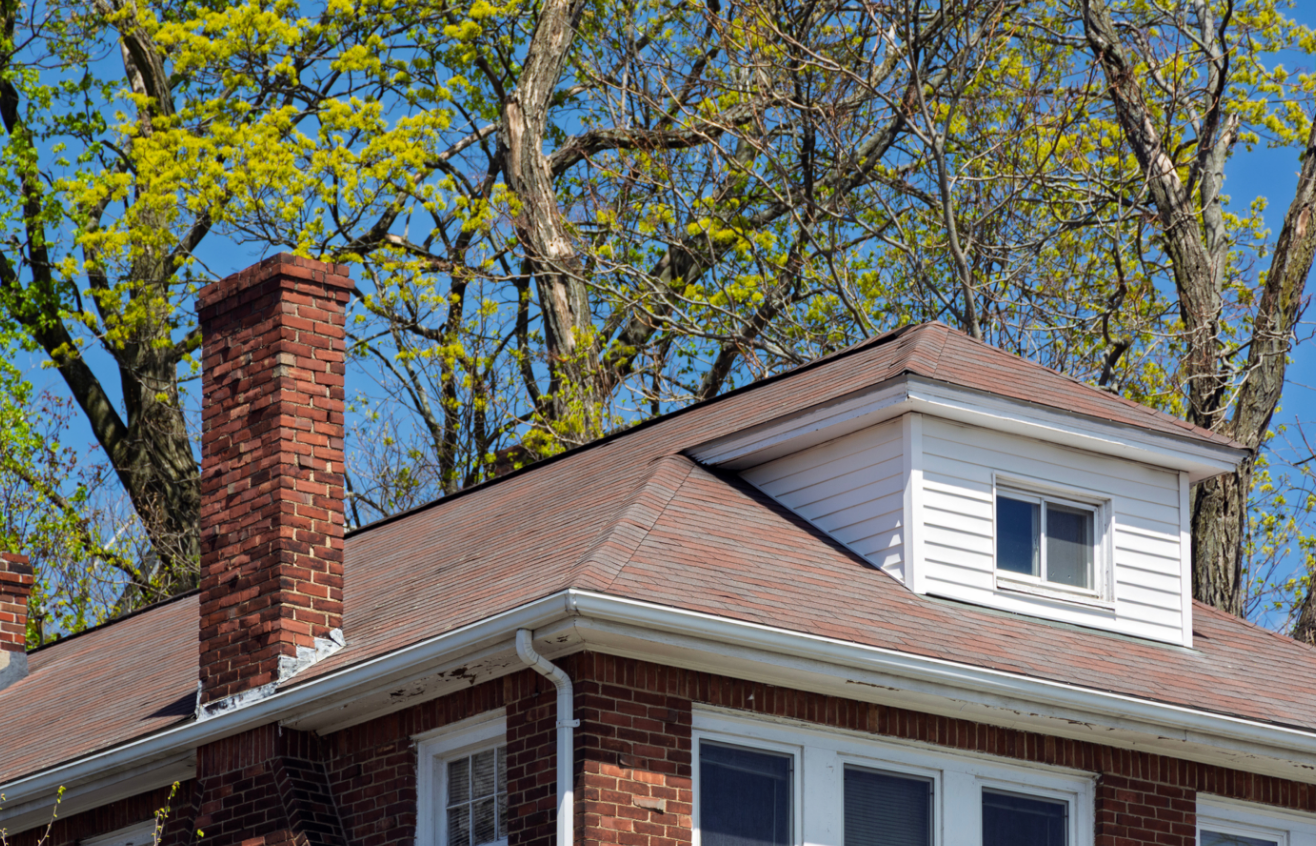
Flashing is the metal barrier that seals the connection between the chimney and the roof.
When flashing deteriorates or separates, water can enter around the base of the chimney and cause damage to both the masonry and the surrounding roof structure.
Combustion Byproducts
Wood-burning fireplaces and heating appliances produce acidic condensation and combustion byproducts that can gradually wear down mortar joints and interior chimney components.
This type of deterioration often develops slowly over many years but can contribute to significant masonry damage if left unaddressed.
Signs Your Chimney Needs Repair
Identifying masonry issues early can help avoid larger repairs in the future.
Deteriorating Mortar Joints
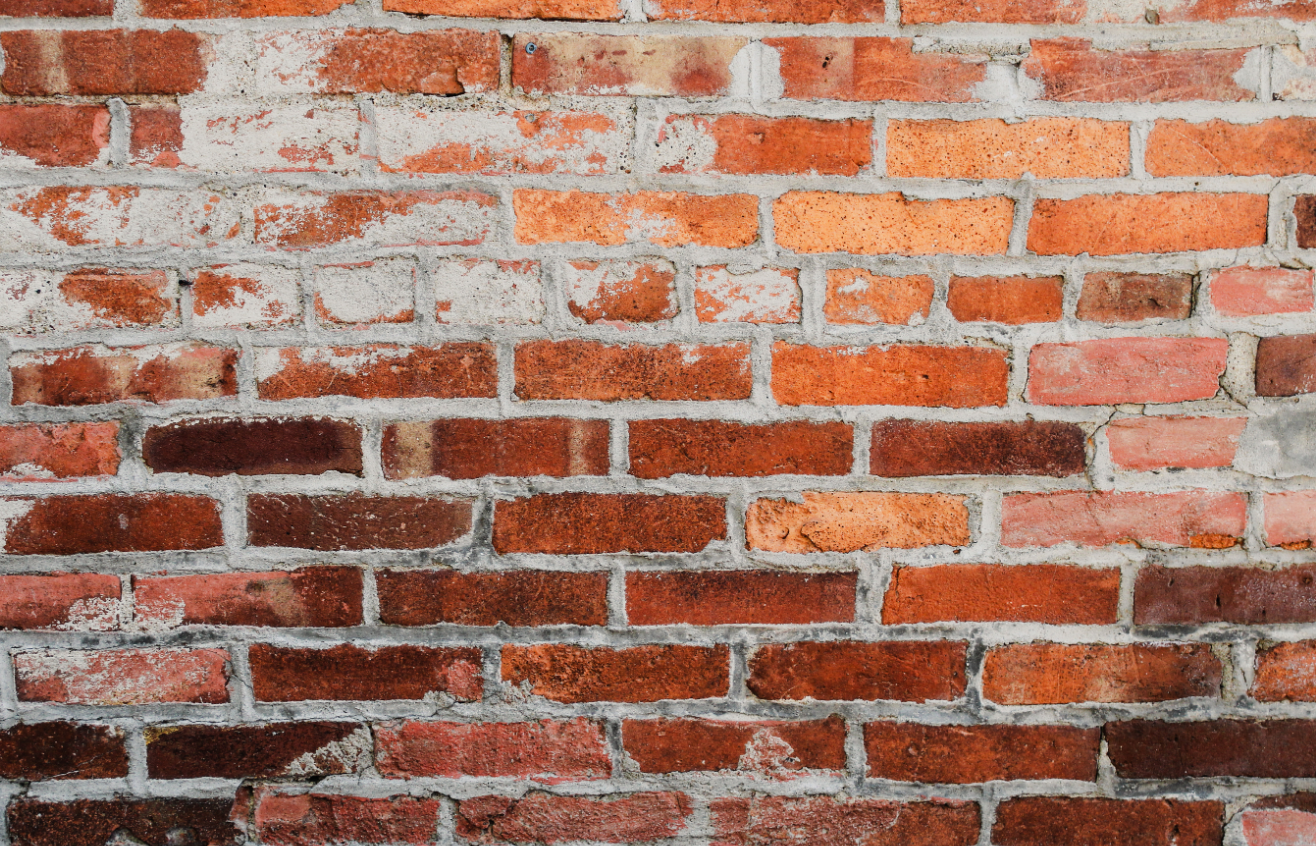
Cracked, crumbling, or missing mortar is one of the most common signs that chimney repairs are needed.
As mortar deteriorates, water gains easier access to the masonry system, accelerating further damage.
Spalling Brick
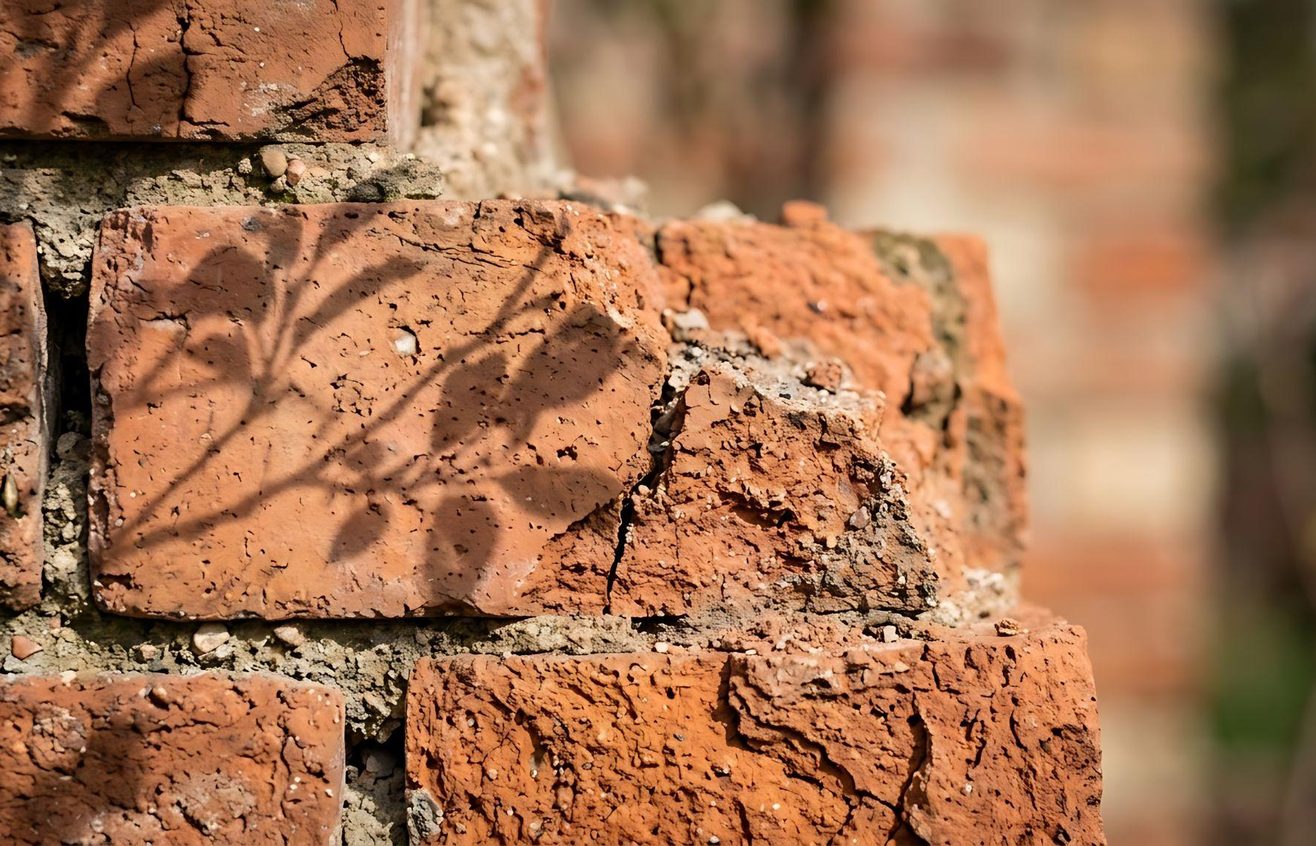
Spalling occurs when the face of the brick begins to flake, crack, or break away.
Once the outer surface is compromised, the brick absorbs moisture more easily and deterioration progresses much faster.
Water Stains and Moisture Issues
Water stains on interior walls or ceilings near the chimney, rust on the damper, or musty odours when the fireplace is not in use can all indicate water intrusion.
These symptoms often point to issues with the chimney cap, flashing, or masonry itself.
Efflorescence
Efflorescence appears as a white, chalky residue on the surface of brick.
Although it is not usually a structural concern on its own, it indicates that moisture is moving through the masonry and should be investigated.
What Does Chimney Repair Involve?
The repair process depends on the type and severity of the damage.
Chimney Repointing
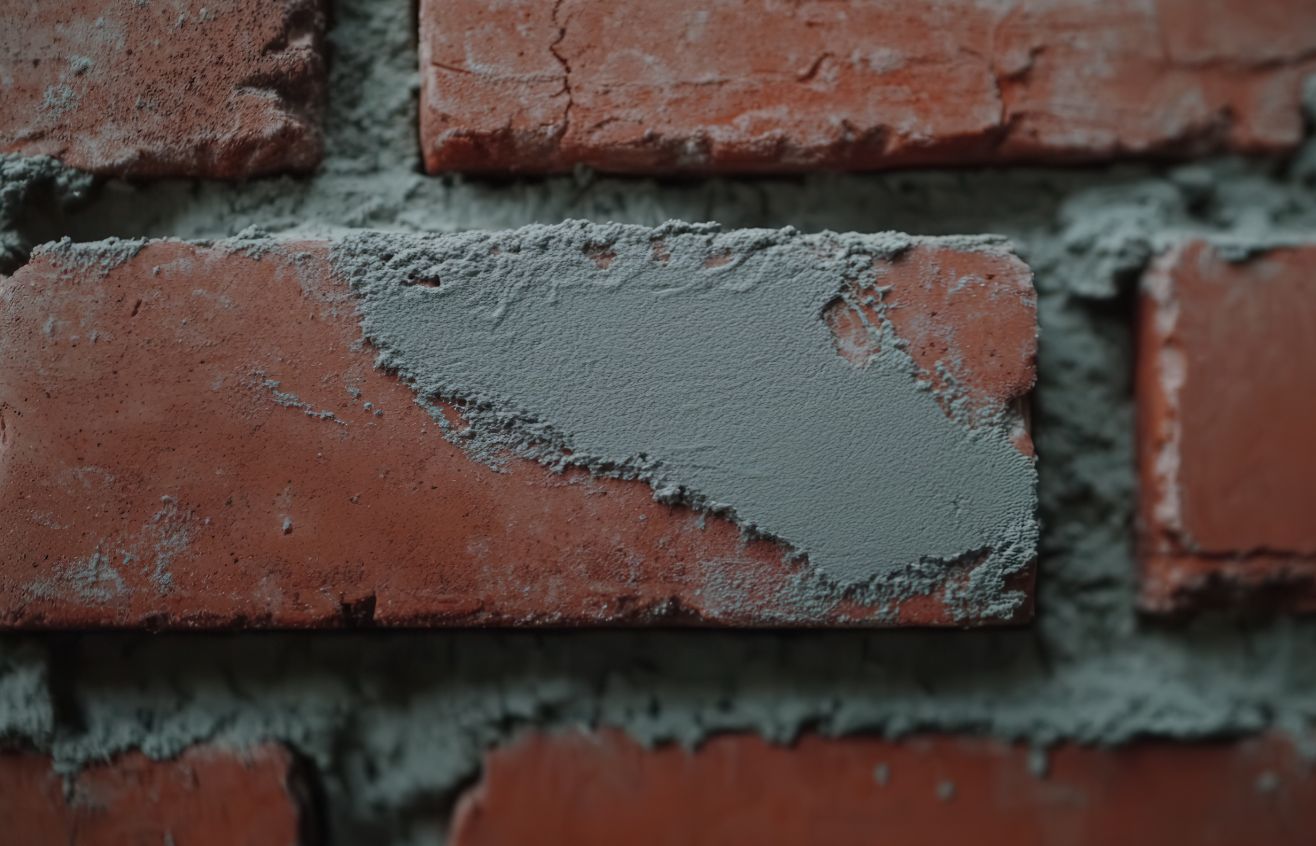
Repointing is one of the most common chimney repairs.
This process involves removing deteriorated mortar and replacing it with fresh mortar that matches the original material in both appearance and performance.
Properly maintained chimneys may only require repointing every few decades, while neglected chimneys often need repairs much sooner.
Chimney Cap Replacement
Replacing a damaged or missing chimney cap is a relatively simple repair that provides significant protection.
A properly installed cap helps prevent water intrusion, animal entry, and debris buildup while extending the lifespan of the entire chimney system.
Brick Replacement
When individual bricks have cracked or spalled, they can often be replaced without rebuilding the entire chimney.
An experienced mason will carefully match the existing brick to maintain the appearance of the structure.
Chimney Rebuilds
In cases where deterioration has progressed significantly, a partial or full chimney rebuild may be necessary.
This often involves rebuilding the chimney stack above the roofline and restoring the structure to a safe, stable condition.
Flashing Repairs
Flashing repairs are frequently completed alongside masonry repairs to eliminate water entry points and protect both the chimney and roof system.
Why Repair Your Chimney Before Winter?
Summer and early fall are ideal times for chimney inspections and repairs.
Completing repairs before the heating season begins ensures your chimney is ready for regular use and prevents existing damage from worsening during another winter of freeze-thaw cycles.
Waiting until visible damage becomes severe often leads to more extensive and expensive repairs.
Professional Chimney Repair in Barrie and Simcoe County
Chameleon Masonry provides professional chimney repair, repointing, chimney rebuilding, flashing assessments, and masonry restoration services throughout Barrie, Collingwood, Orillia, Wasaga Beach, Gravenhurst, Muskoka, and surrounding Simcoe County communities.
If your chimney is showing signs of deterioration or has not been inspected in several years, our team can assess its condition and recommend the most effective repair solution before winter arrives.
Contact Chameleon Masonry today to schedule a chimney inspection.
.png)
.png)
.png)



.png)


.png)
.png)





.jpg)
.jpg)
.jpg)
.jpg)
.jpg)
.jpg)
.jpg)
.jpg)
.jpg)
.jpg)
.jpg)
.jpg)
.jpg)
.jpg)
.jpg)
.jpg)
.jpg)
.jpg)
.jpg)
.jpg)
.jpg)
.jpg)
.jpg)
.jpg)
.jpg)
.jpg)
.jpg)
.jpg)
.jpg)
.jpg)
.jpg)
.jpg)
.jpg)

Contact Us For A Free Consultation
Have questions or ready to start your masonry restoration project? Our dedicated team of masonry experts are here to help. Whether you’re exploring historical restoration, custom masonry modifications, or need expert brick repair, we’re just a call or click away.