.png)
5 Common Brick Problems We See in Older Barrie Homes
Older homes throughout Barrie have plenty of character, but their brickwork often shows the effects of decades of Ontario weather.
Brick and mortar are durable materials, but they are not maintenance-free. Over time, moisture, freeze-thaw cycles, aging mortar and previous repairs can all contribute to visible masonry damage.
Here are five common brick problems homeowners in Barrie should watch for, especially in older homes.
1. Crumbling or Deteriorating Mortar
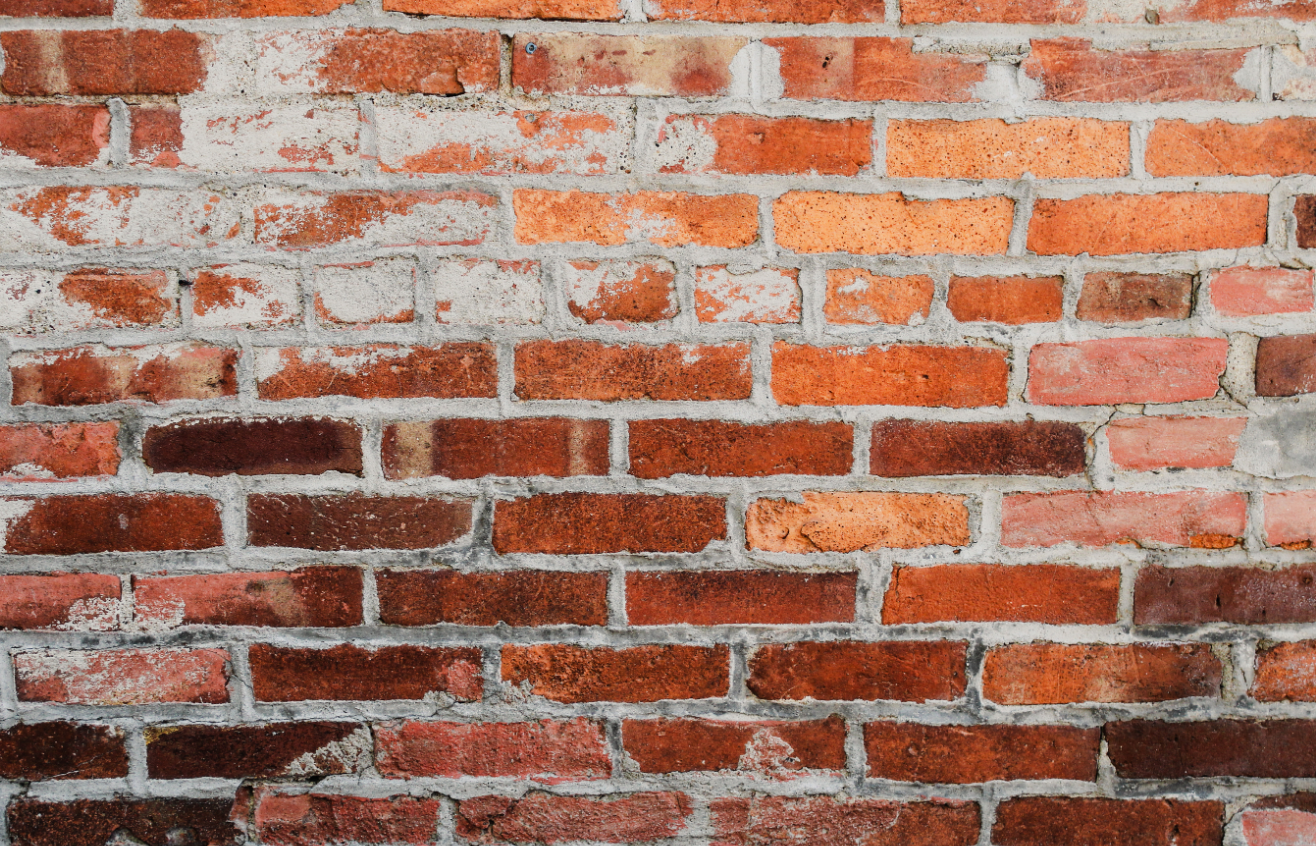
Mortar joints are often one of the first parts of a brick wall to show signs of age.
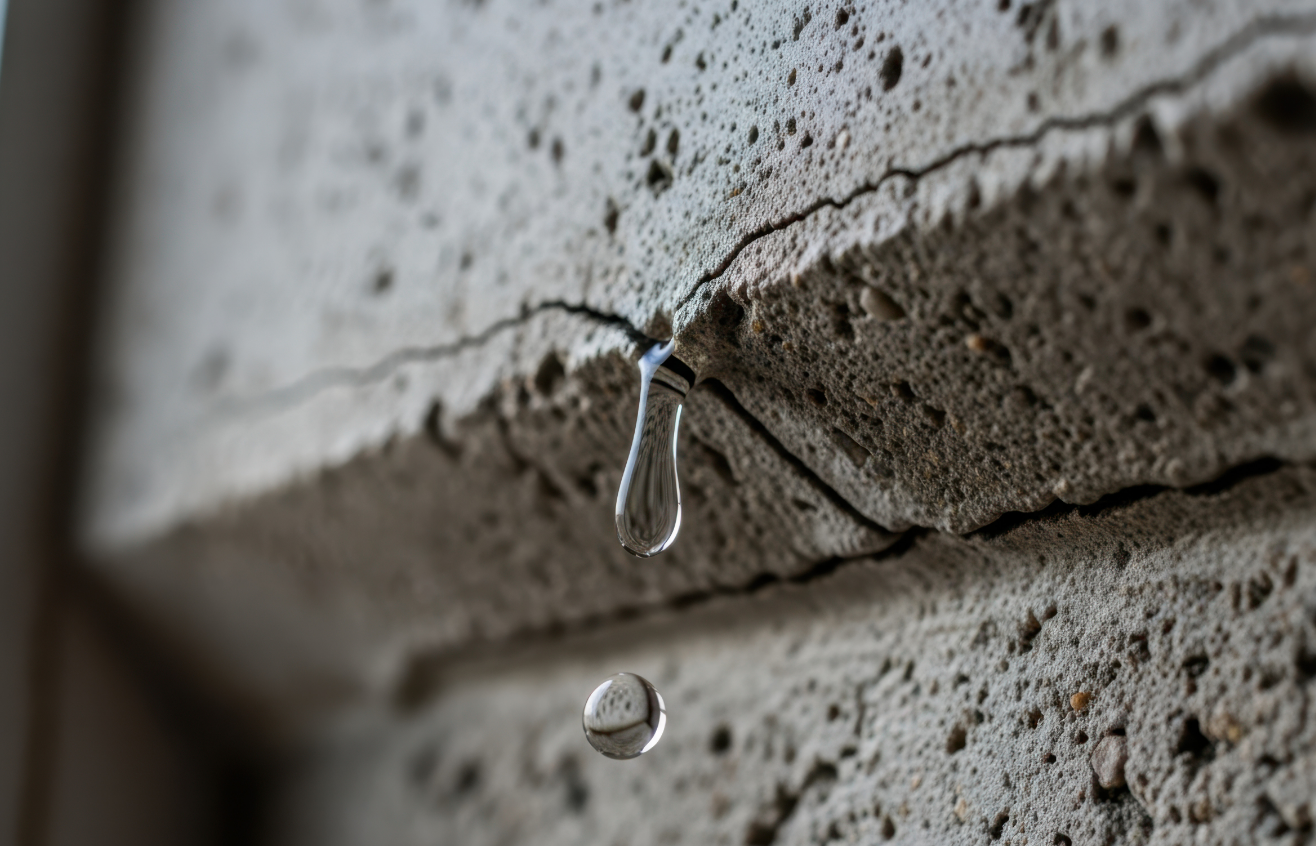
Over time, mortar can begin to crack, crumble or recede between the bricks. This is especially common in older homes where the masonry has gone through decades of seasonal temperature changes.
Signs of deteriorating mortar include:
- Loose or sandy mortar
- Gaps between bricks
- Deep or recessed mortar joints
- Small cracks along the joints
- Pieces of mortar falling away
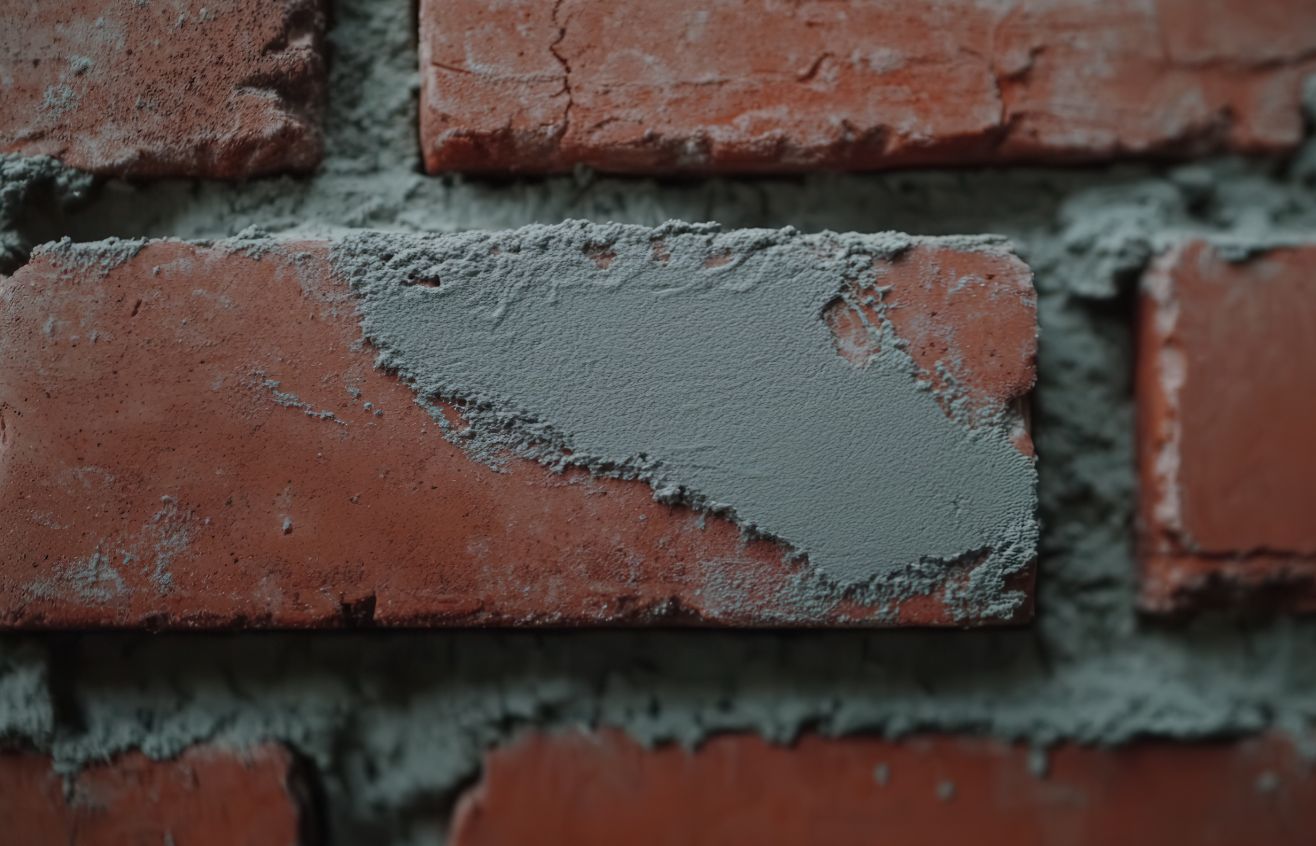
When caught early, damaged mortar can often be repaired through repointing.
Repointing involves removing deteriorated mortar and replacing it with new mortar that is properly matched to the existing masonry.
Ignoring failing mortar can allow more water to enter the wall and may eventually lead to damaged bricks.
2. Spalling or Flaking Bricks
Spalling happens when the outer surface of a brick begins to flake, peel or break apart.
This is usually caused by moisture entering the brick.
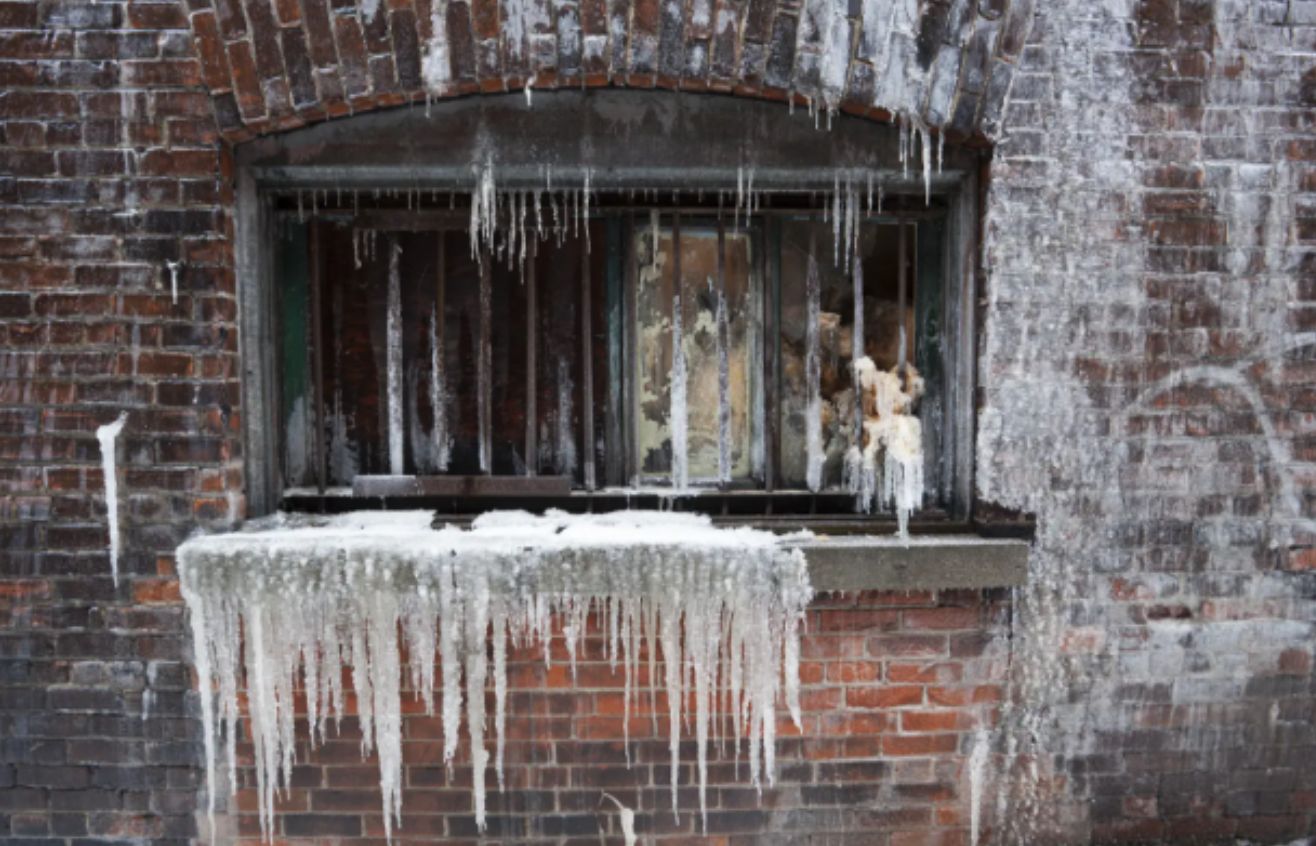
During Barrie's colder months, trapped moisture can freeze and expand inside the masonry. As this cycle repeats, the surface of the brick can gradually deteriorate.
Common signs of spalling include:
- Flaking brick surfaces
- Pieces of brick falling off
- Pitted or rough brick faces
- Crumbling corners
- Exposed inner sections of brick
A small number of damaged bricks can often be individually replaced.
If spalling is widespread, however, the surrounding masonry should be inspected to determine why so much moisture is entering the wall.
3. Stair-Step Cracks in Brick Walls
Stair-step cracks follow the mortar joints between bricks, creating a pattern that resembles a staircase.
These cracks can develop for several reasons, including:
- Natural settlement
- Foundation movement
- Expansion and contraction
- Water damage
- Structural movement around openings
Small masonry cracks do not automatically mean there is a serious structural problem.
However, cracks that continue to grow, reopen after repairs or appear alongside other signs of movement should be inspected.
Simply filling a crack without determining what caused it can result in the same problem returning.
4. Cracks Above Windows and Doors
Older brick homes frequently develop cracks around windows, doors and garage openings.
One possible cause is deterioration or movement around the lintel.
A lintel is a structural support positioned above an opening that helps carry the weight of the brickwork above it.
When a lintel begins to rust, shift or fail, homeowners may notice:
- Horizontal cracks above windows
- Stair-step cracking near corners
- Brick movement
- Gaps forming around the opening
- Sagging masonry
Repairing these problems may involve replacing damaged bricks, repairing mortar joints or addressing the lintel itself.
Because cracks around openings can sometimes indicate structural movement, they should be properly assessed before cosmetic repairs are completed.
5. Efflorescence and Moisture Staining
White powdery marks on brick are known as efflorescence.
Efflorescence forms when moisture moves through masonry and brings naturally occurring salts to the surface.
As the water evaporates, the salts remain behind.
A small amount of efflorescence is not necessarily a major problem, but repeated or heavy staining can indicate ongoing moisture exposure.
Other signs of masonry moisture problems may include:
- Dark staining
- Moss or organic growth
- Damp interior walls
- Deteriorating mortar
- Spalling brick
- Water entering around windows or other openings
The important step is identifying where the moisture is coming from rather than simply cleaning the surface.
Why Older Barrie Homes Can Be More Susceptible to Brick Damage
Barrie homes are exposed to significant seasonal temperature changes.
Rain, snow, ice and repeated freeze-thaw cycles can gradually wear down brick and mortar.
Older homes may also have masonry that has previously been repaired using materials that were not compatible with the original brickwork.
For example, mortar that is too hard for older brick can sometimes place additional stress on the surrounding masonry.
Other factors that can contribute to damage include:
- Poor drainage
- Leaking eavestroughs
- Damaged flashing
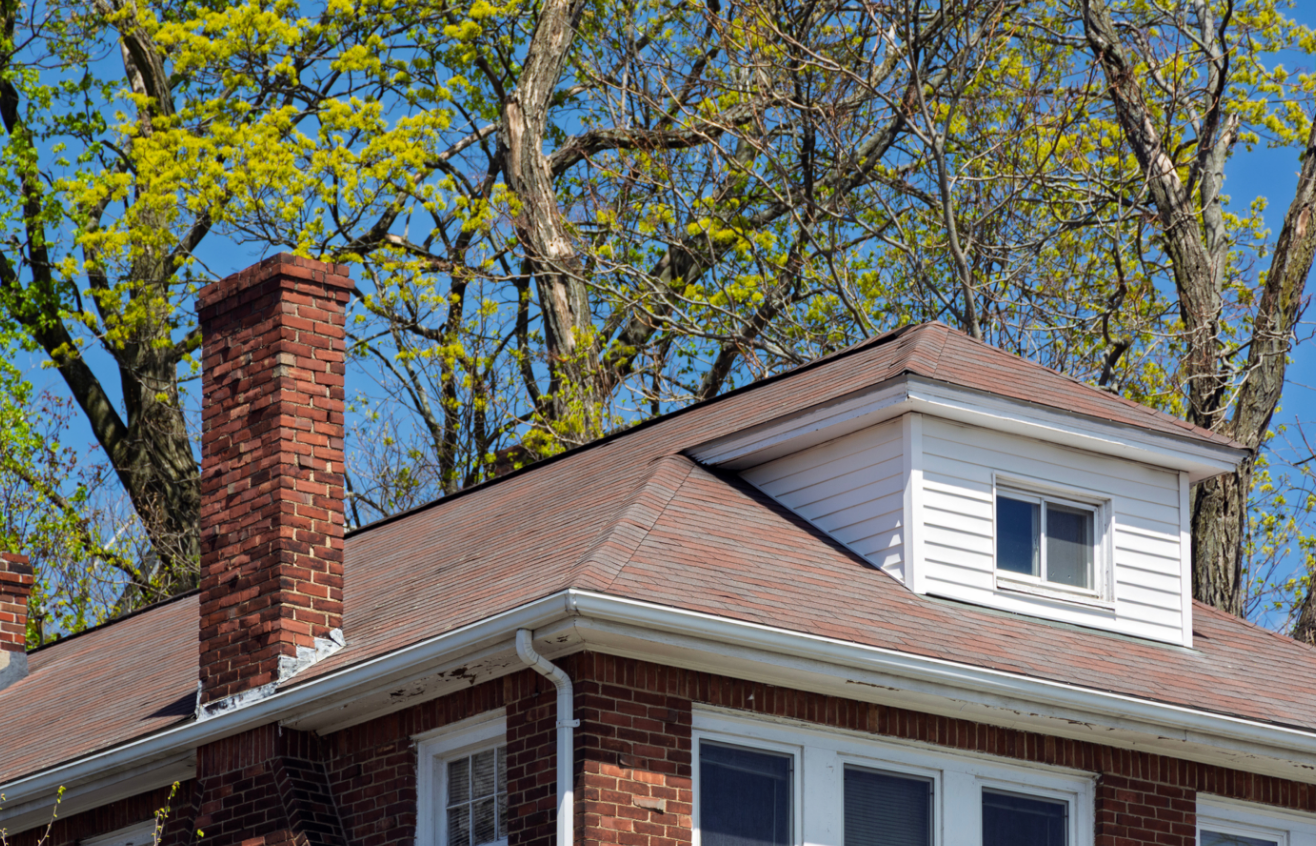
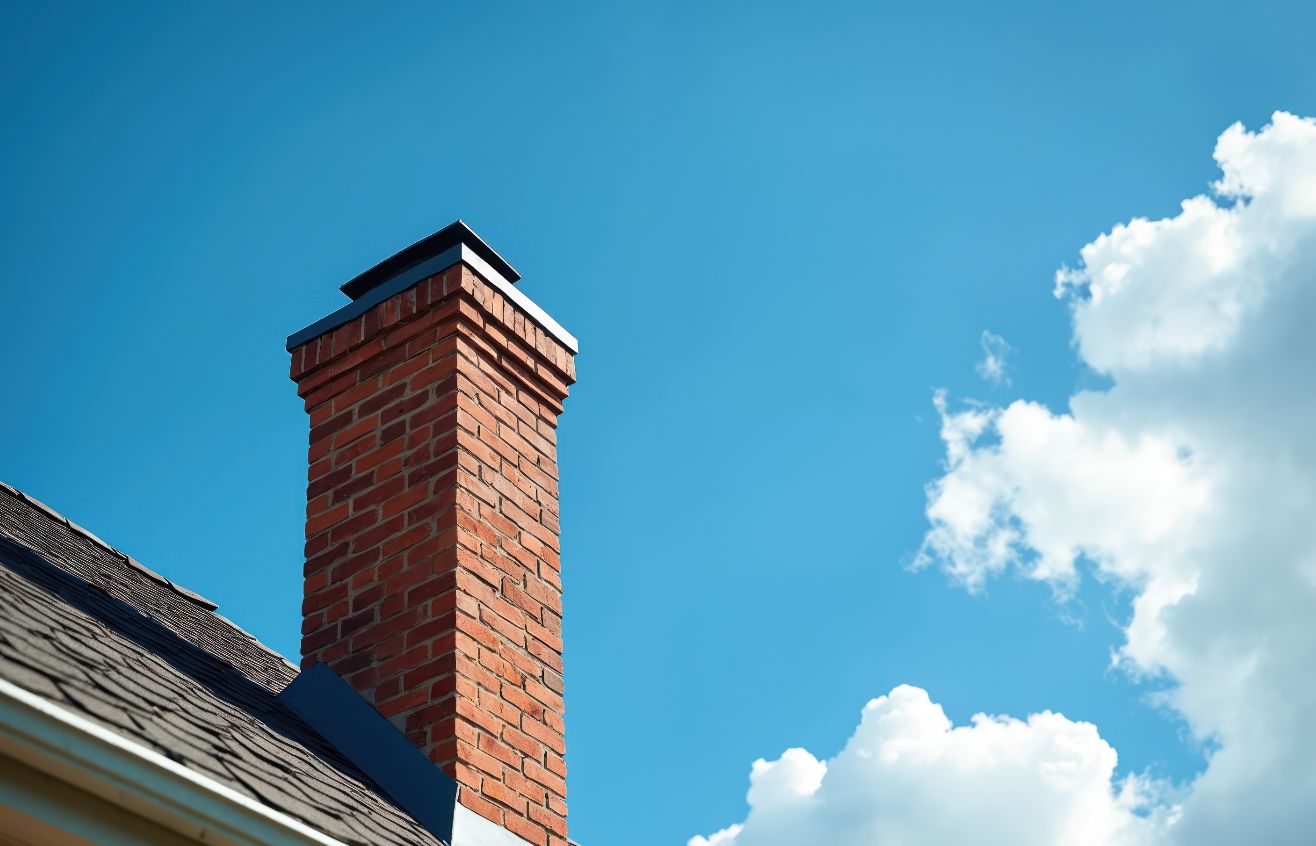
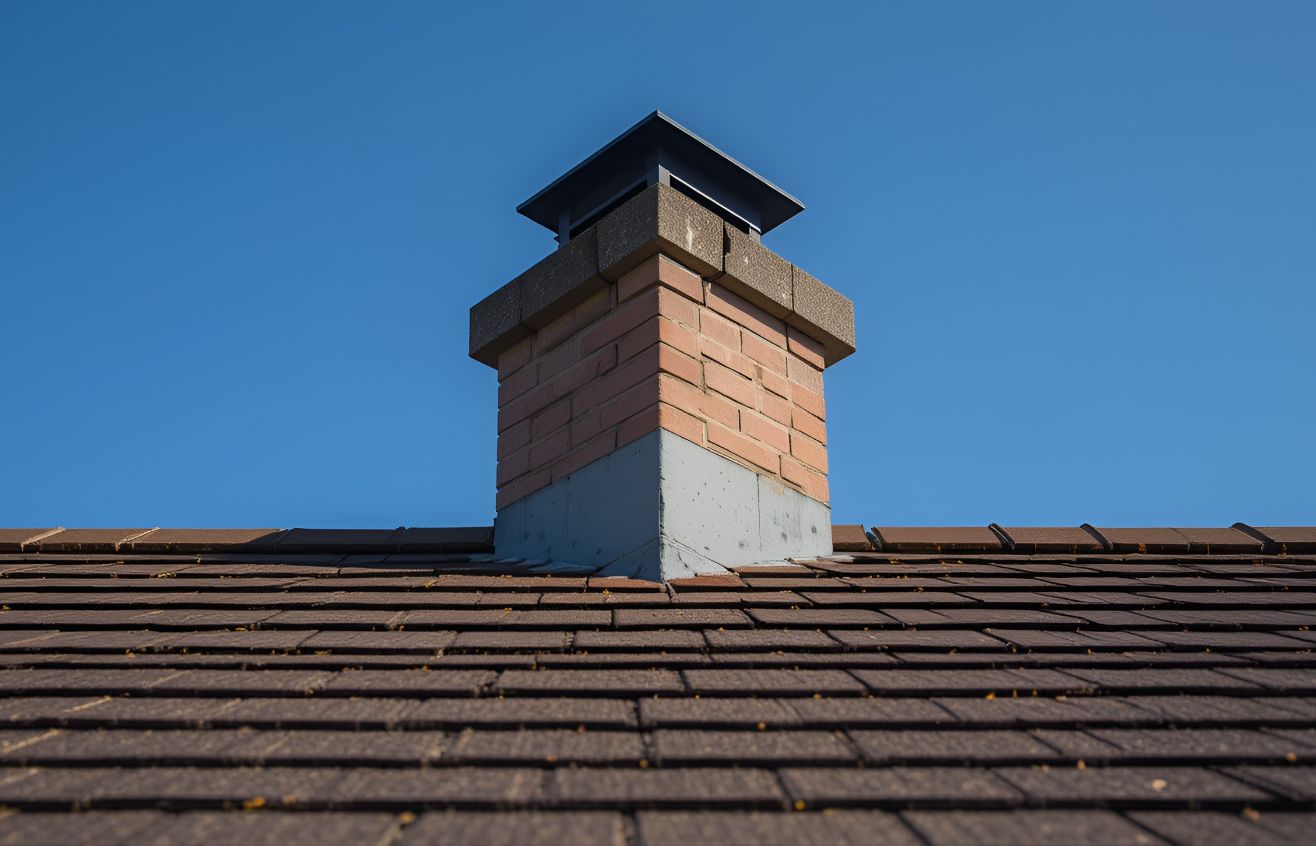
- Aging chimney masonry
- Vegetation growing against brick
- Previous improper repairs
- Long-term moisture exposure
Routine inspections can help catch these problems before they become more extensive.
Should Damaged Bricks Be Repaired or Replaced?
That depends on the condition of the masonry.
If the brick itself remains solid and the main issue is deteriorated mortar, repointing may be sufficient.
If individual bricks are severely cracked, spalling or crumbling, those bricks may need to be removed and replaced.
When larger sections of masonry are moving or deteriorating, additional repairs may be required.
The goal should always be to determine the cause of the damage before deciding on the repair.
When Should You Call a Masonry Contractor?
Consider having your brickwork inspected if you notice:
- Growing cracks
- Crumbling mortar
- Loose bricks
- Spalling
- Bulging walls
- Cracks around windows or doors
- Water entering through masonry
- Recurring moisture stains
- Sections of brick pulling away from the home
Early masonry repairs are usually much easier to manage than waiting until the damage spreads.
Brick Repair in Barrie
Chameleon Masonry provides professional brick repair and masonry restoration services throughout Barrie and surrounding areas.
Whether your home has deteriorating mortar, cracked brick, spalling, damaged lintels or other masonry concerns, our team can assess the problem and recommend the appropriate repair.
Proper masonry repairs can help restore the appearance of your home while protecting the structure from further deterioration.
Contact Chameleon Masonry today to request a quote for brick repair in Barrie.
.png)
.png)



.png)
.png)


.png)
.png)






.jpg)
.jpg)
.jpg)
.jpg)
.jpg)
.jpg)
.jpg)
.jpg)
.jpg)
.jpg)
.jpg)
.jpg)
.jpg)
.jpg)
.jpg)
.jpg)
.jpg)
.jpg)
.jpg)
.jpg)
.jpg)
.jpg)
.jpg)
.jpg)
.jpg)
.jpg)
.jpg)
.jpg)
.jpg)
.jpg)
.jpg)
.jpg)
.jpg)

Contact Us For A Free Consultation
Have questions or ready to start your masonry restoration project? Our dedicated team of masonry experts are here to help. Whether you’re exploring historical restoration, custom masonry modifications, or need expert brick repair, we’re just a call or click away.