Crumbling Mortar Between Bricks: What Causes It and How It Gets Repaired
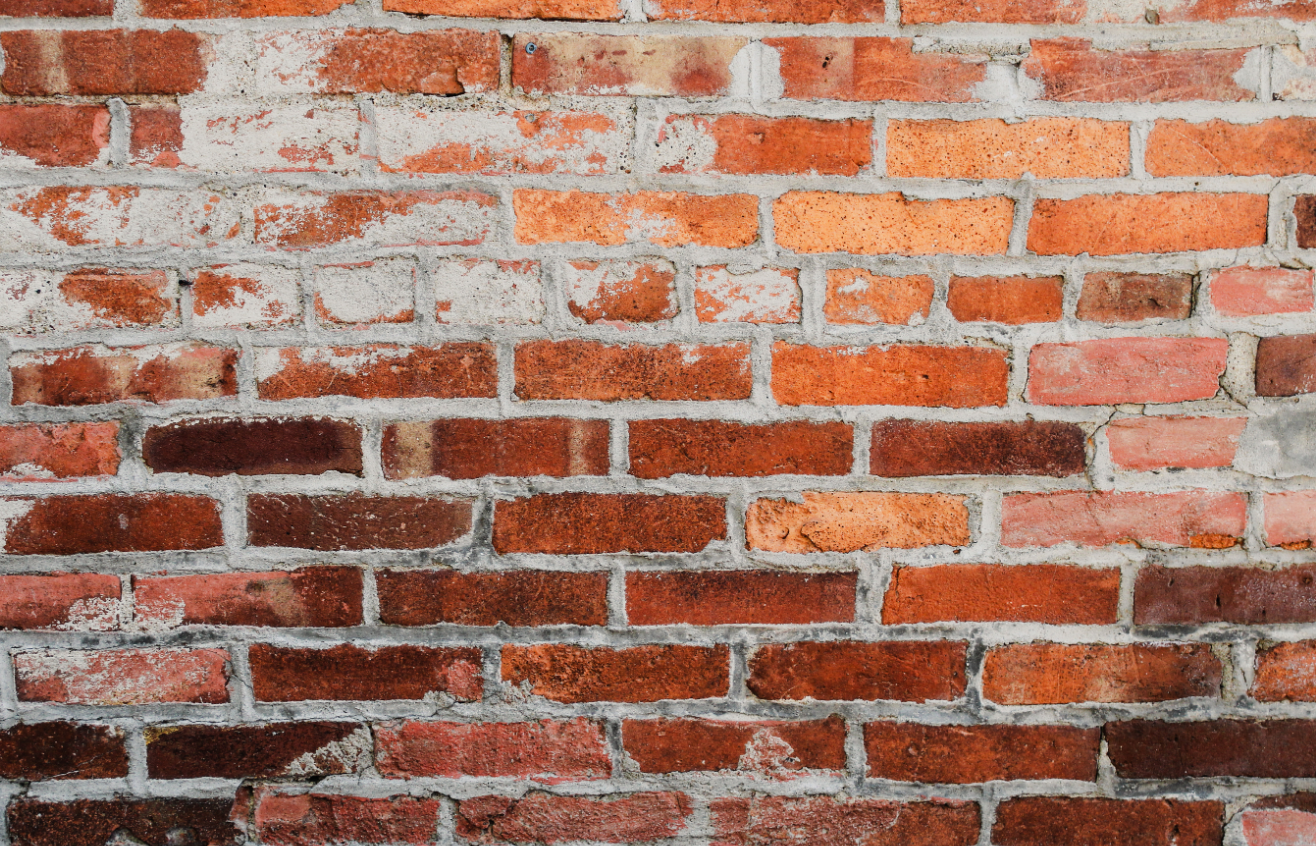
If you run your finger along the joints of your brick wall and it comes away covered in sand, your mortar is telling you something.
Mortar is the part of a brick wall that is meant to wear out first. It is softer than the brick on purpose, so that it absorbs movement and lets moisture escape. Over time it does that job and slowly breaks down. The problem starts when it is left too long and the damage moves into the brick itself.
Here is what causes mortar to fail, how proper mortar repair works, and when it is time to call a mason.
What Crumbling Mortar Looks Like
Mortar damage usually starts small and gets easier to see over time. Common signs include:
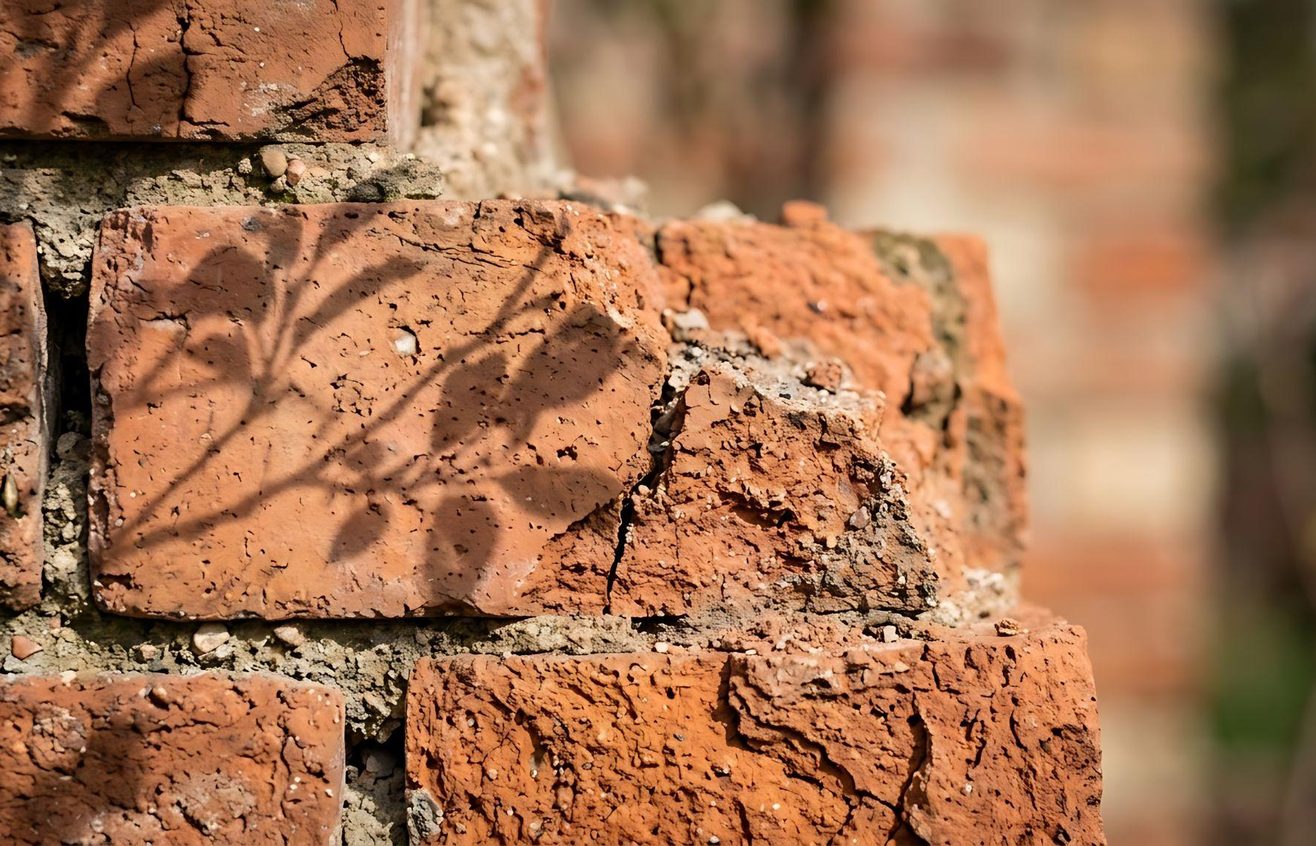
- Sandy or powdery mortar that rubs away with a finger
- Joints that sit deeper than the face of the brick
- Hairline cracks running along the joints
- Gaps where mortar has fallen out completely
- Loose bricks that shift when pressed
- Small piles of grit at the base of the wall
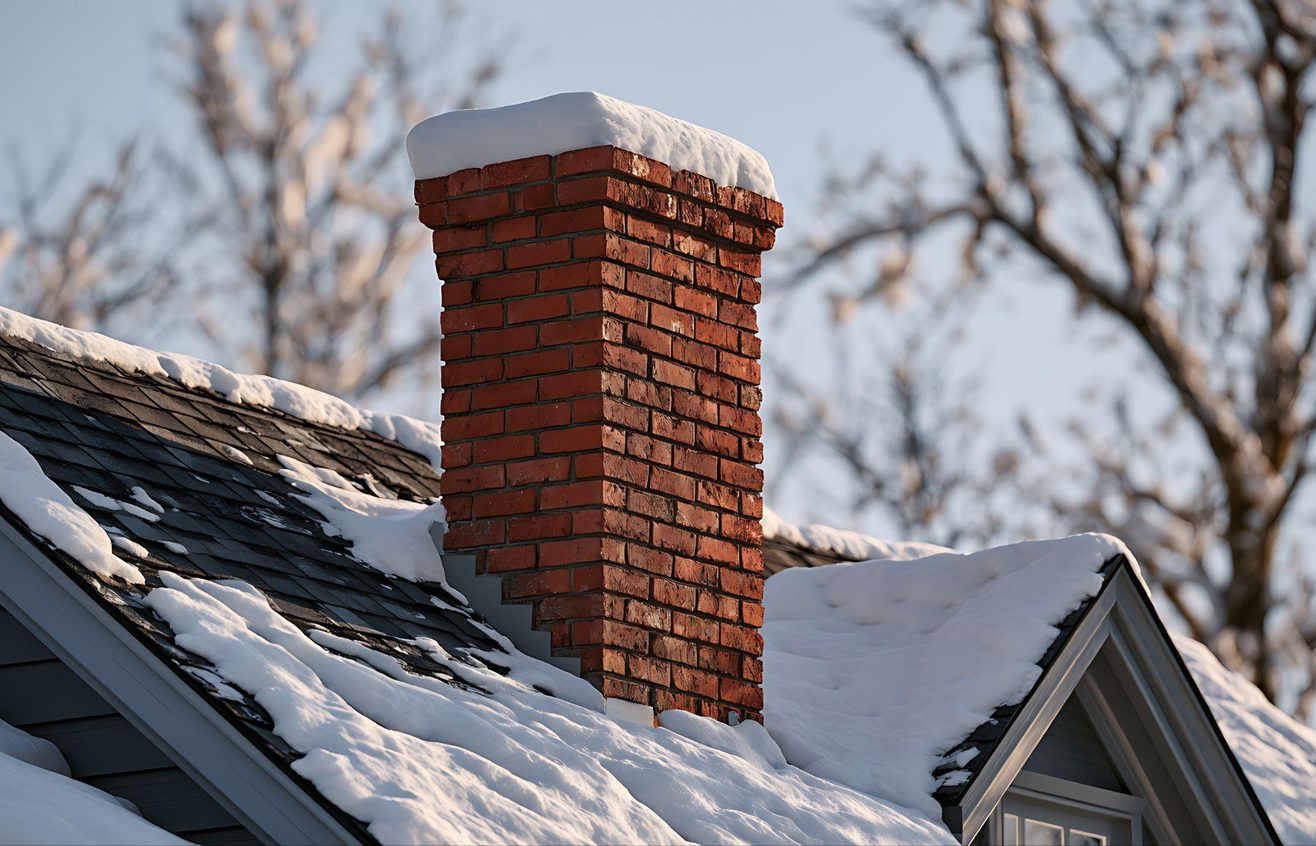
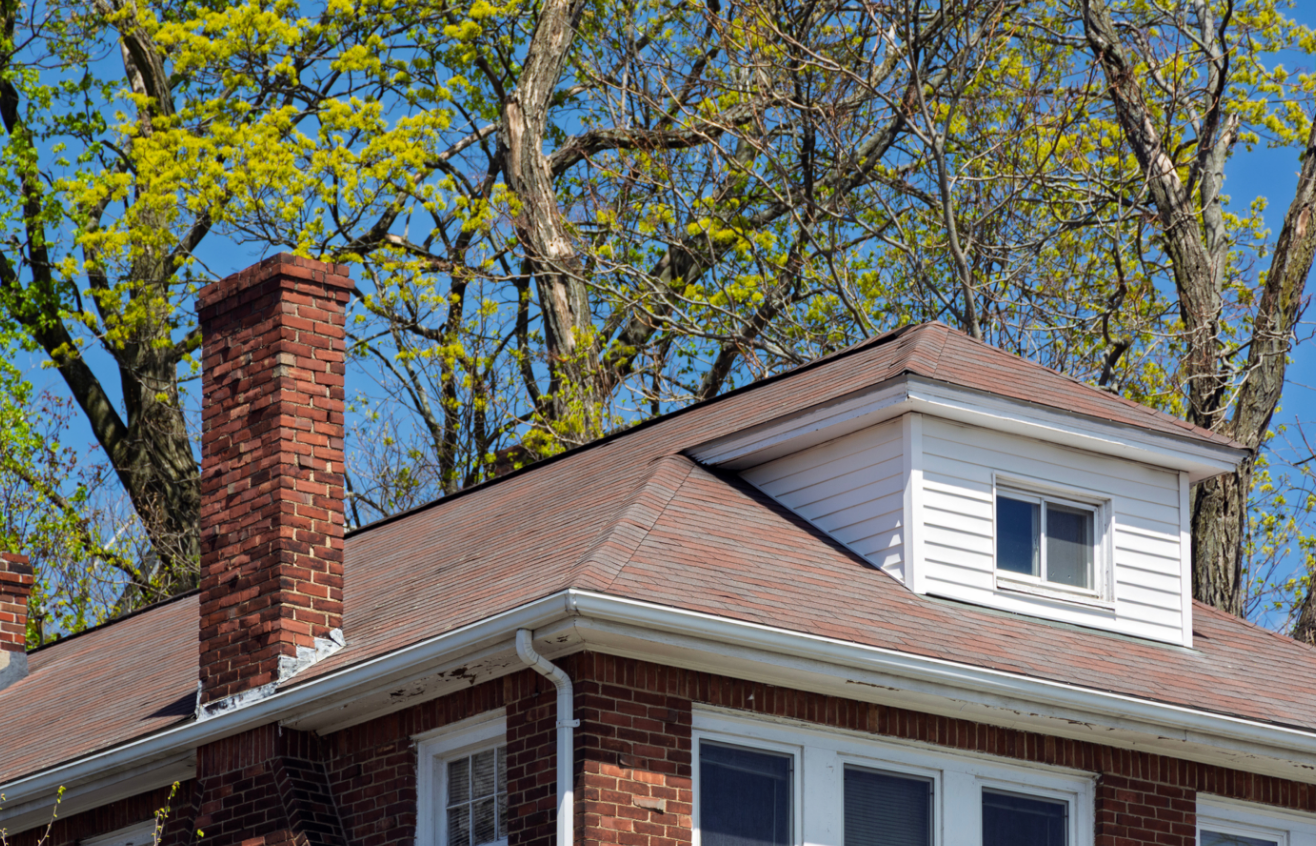
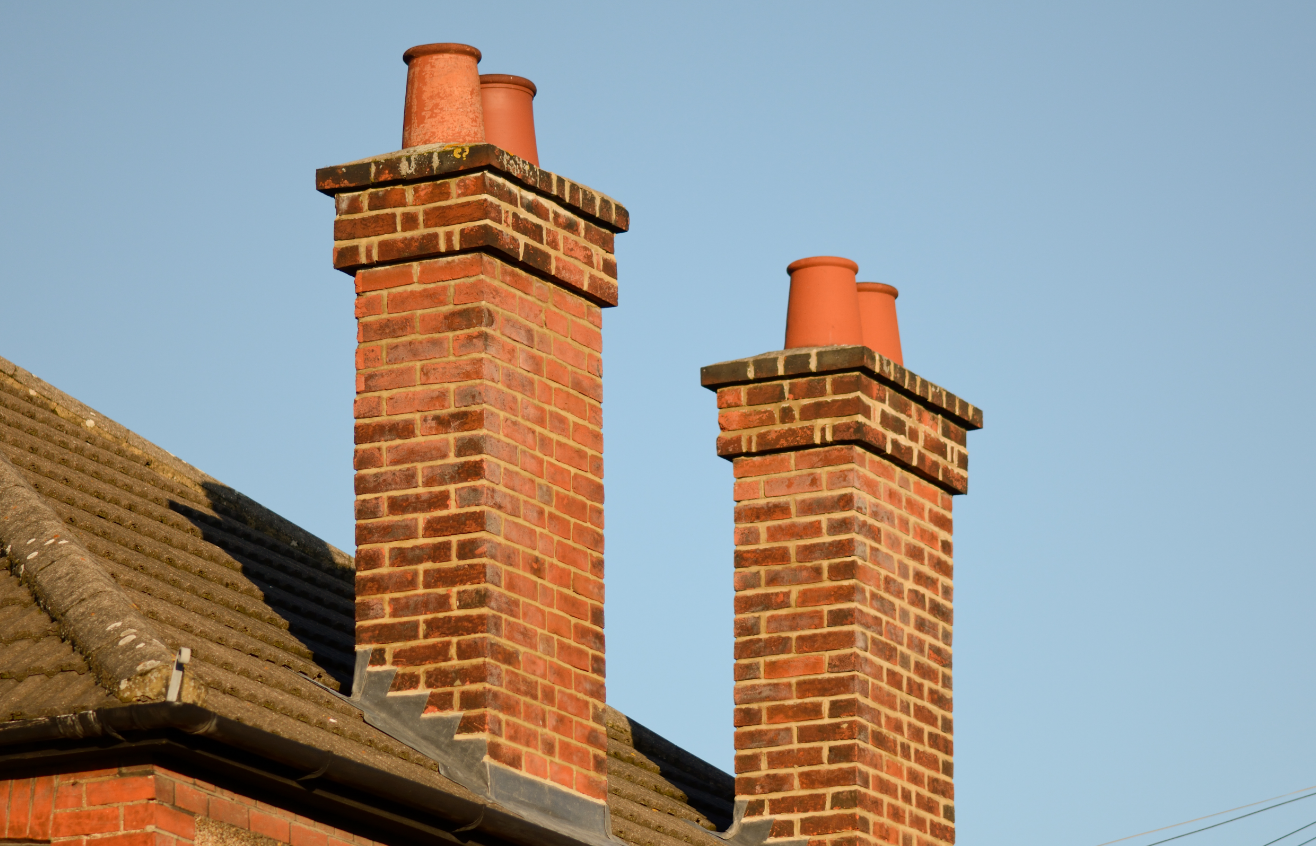
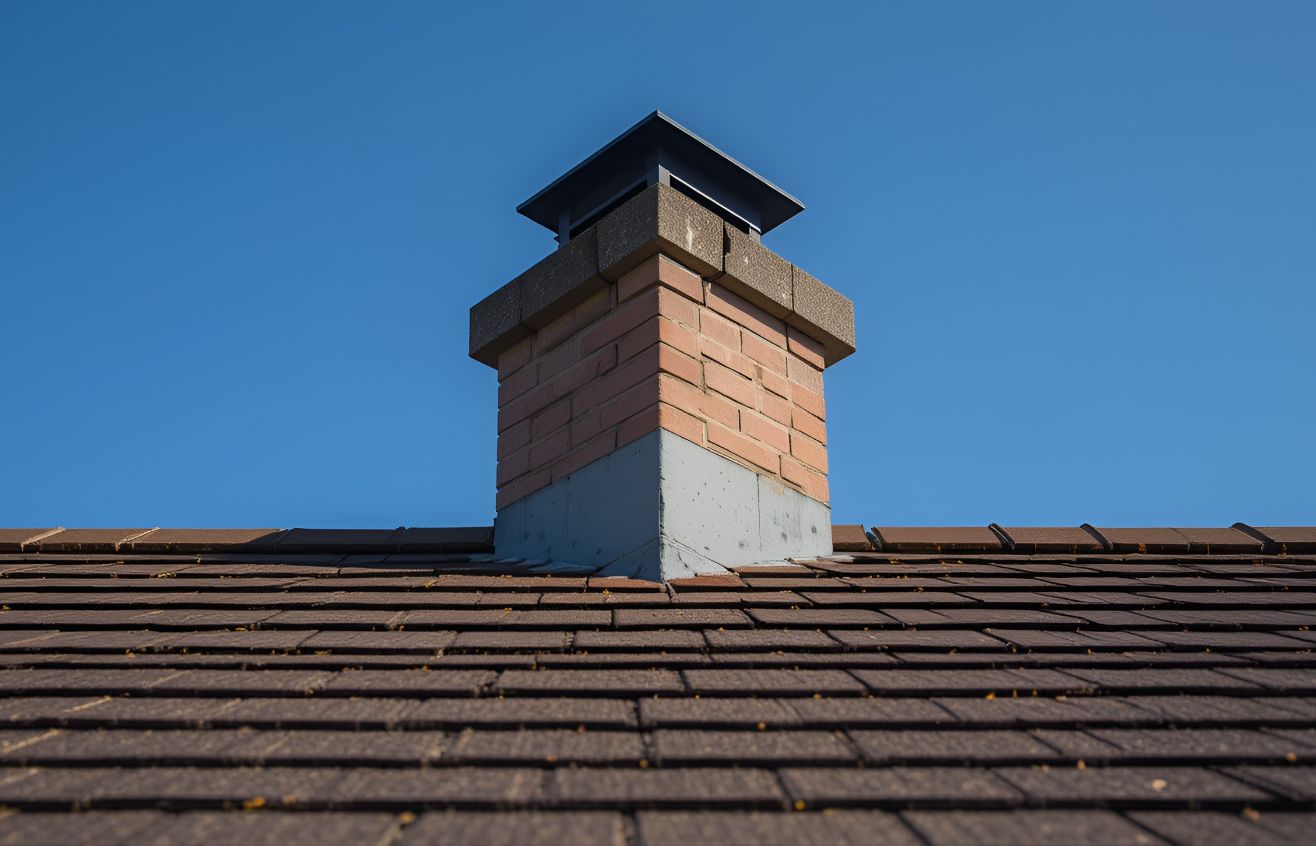
You will often see the worst damage in the same places: under windowsills, near downspouts, along the top of walls, at the base of chimneys and on the side of the home that takes the most wind and rain.
What Causes Mortar to Break Down
Freeze and thaw cycles
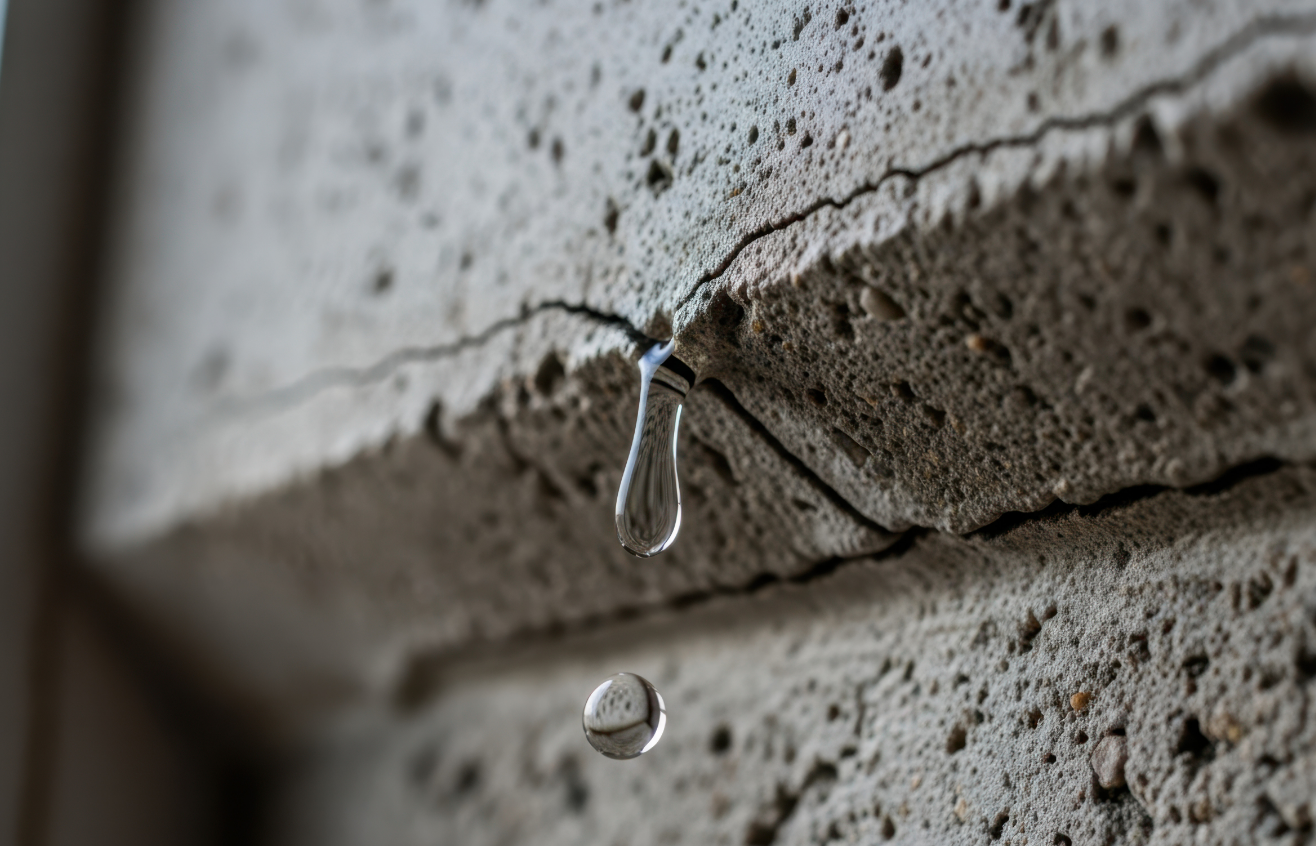
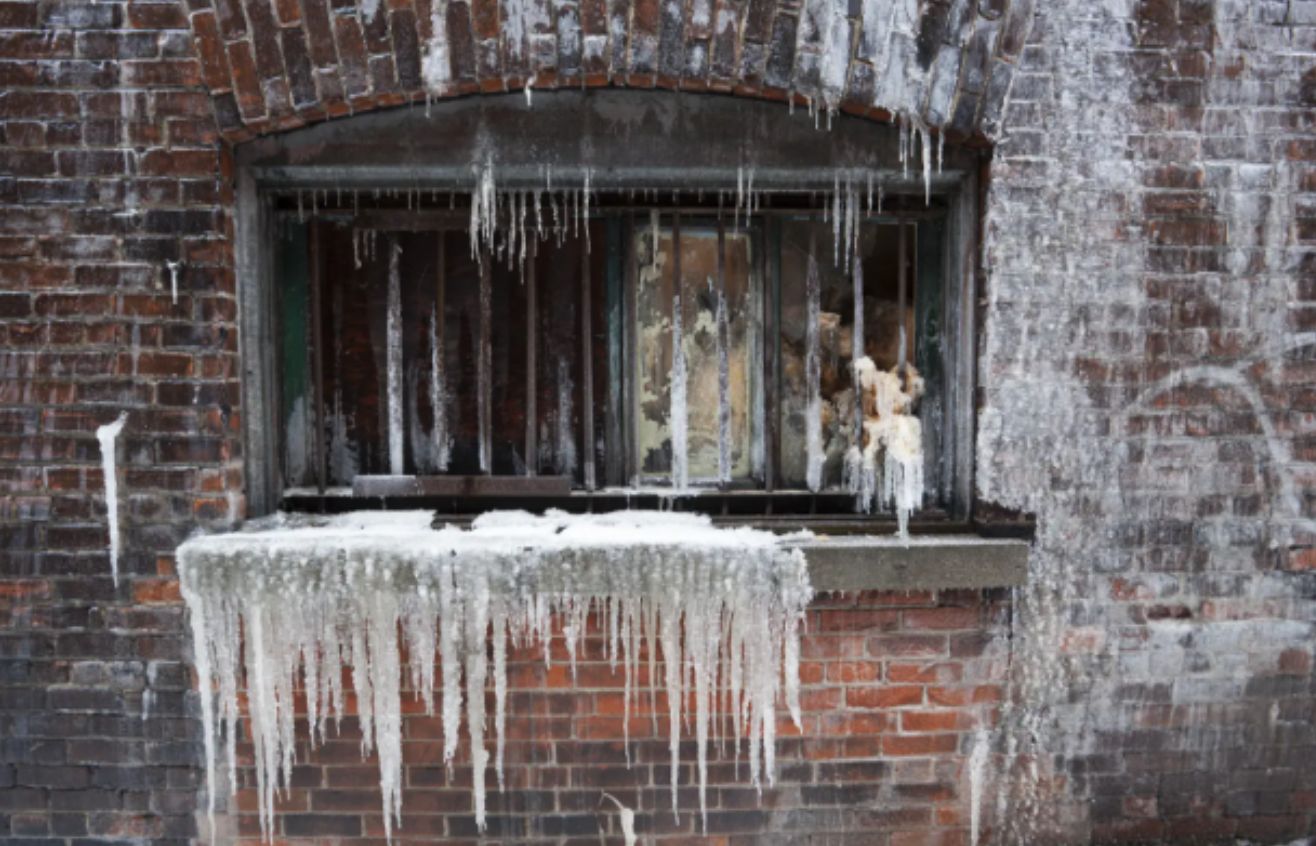
Water soaks into mortar joints, freezes overnight and expands. When it thaws, it pulls back out. Repeat that dozens of times every Ontario winter and the mortar slowly crumbles from the inside.
Water from the wrong places
Leaking eavestroughs, short downspouts, damaged flashing and poor grading all send extra water into a wall. Mortar in these areas wears out years ahead of the rest of the house.
Age
Even well built mortar has a lifespan. On many homes, the joints start showing their age after 25 years or so, depending on exposure and the original mix.
Past repairs with the wrong mortar
This is one of the most common problems we see. When joints are repaired with mortar that is harder than the brick, the wall can no longer flex or breathe the way it should. Instead of the mortar wearing down, the edges of the brick start cracking and spalling.
Why Smearing New Mortar Over Old Joints Does Not Work
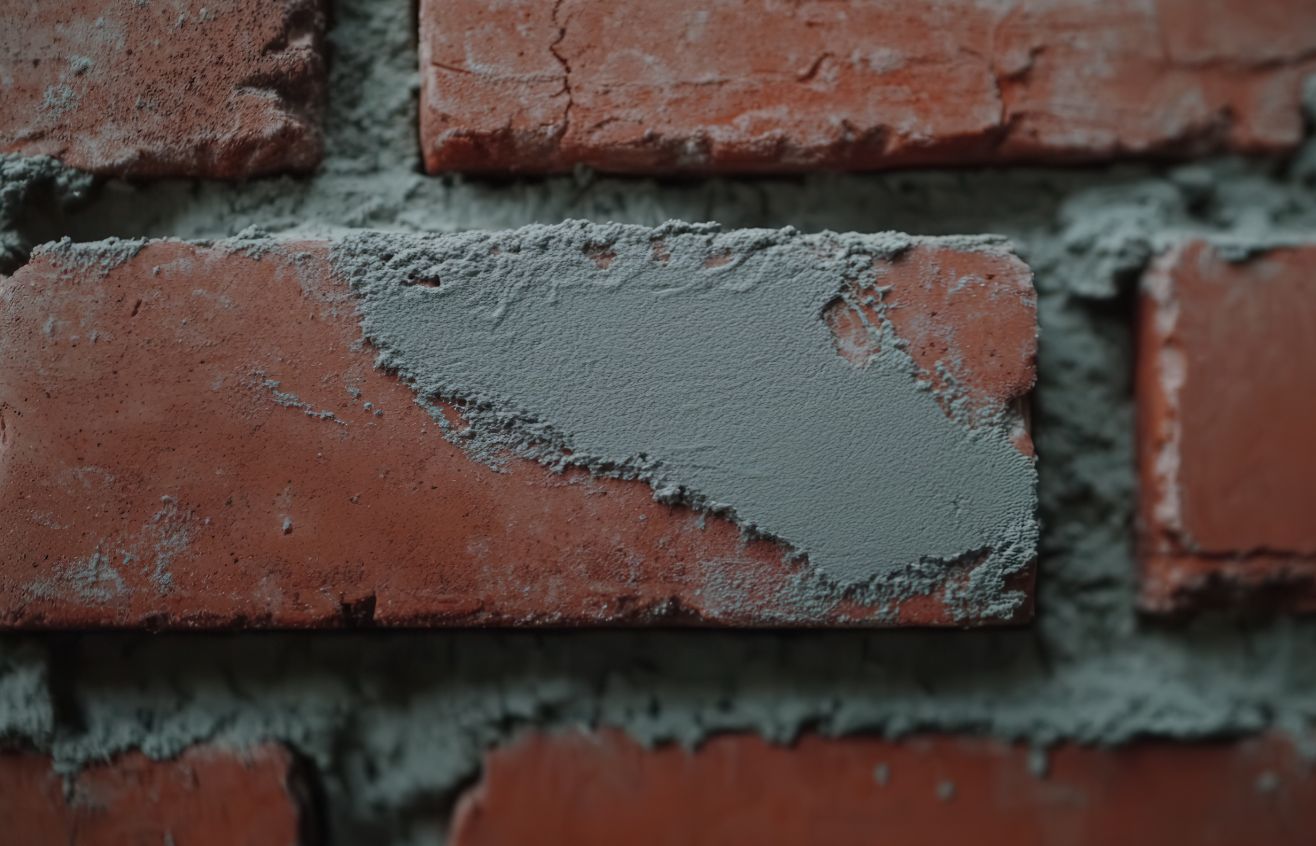
A quick fix you will sometimes see is a thin layer of fresh mortar or caulking spread over the existing joints. It looks better for a season, but it rarely lasts.
Thin surface patches do not bond well to weak mortar underneath. They crack, trap moisture behind them and often fall away after one or two winters. In some cases they make the problem worse by holding water against the brick.
Real mortar repair means removing the damaged material and rebuilding the joint properly.
How Professional Mortar Repair Works
Proper brick mortar repair is usually done through repointing. The process generally includes:
- Assessing the wall. A mason checks how deep the damage goes, whether bricks are loose or damaged, and what is letting water in.
- Removing the old mortar. Damaged mortar is carefully cut or raked out to a consistent depth, usually about two to two and a half times the width of the joint, without chipping the brick edges.
- Matching the mortar. The new mortar is chosen to suit the brick. Older homes in particular often need a softer mix, sometimes lime based, so the brick is protected.
- Packing the joints in layers. Deep joints are filled in stages so each layer can firm up before the next one goes in.
- Tooling the finish. Joints are shaped to match the existing profile so they shed water properly and blend with the rest of the wall.
- Allowing it to cure. New mortar needs time and the right conditions to gain strength, which is why timing matters before winter.
Colour matching is part of the job too. A good repair should blend into the wall rather than leaving a patchwork of bright new joints.
When It Is More Than a Mortar Problem
Sometimes failing mortar is a symptom of something bigger. Have the wall assessed if you also notice:
- Stair step cracks that keep reopening
- Bulging or leaning sections of brick
- Cracks above windows or doors
- Bricks that are cracked, flaking or crumbling
- Water stains or dampness inside the home
In these cases, repointing alone will not hold. The cause of the movement or moisture needs to be addressed first.
Can You Wait Until Spring?
Minor joint wear can often wait. Open joints, loose bricks and mortar that is falling out should not. Once water can get deep into a wall, a single winter of freeze and thaw can turn a mortar repair into brick replacement.
If you are noticing damage this fall, it is worth having it looked at before the cold settles in.
Mortar Repair in Barrie, Simcoe County and the GTA
Chameleon Masonry repairs and repoints mortar joints on homes and commercial buildings throughout Barrie, Simcoe County, Vaughan, Markham, Newmarket, Aurora and surrounding areas.
Our team matches mortar to your brick, colour and joint style so the repair protects your wall and looks like it belongs there.
Contact Chameleon Masonry today to request a quote for mortar repair.
.png)
.png)
.png)



.png)
.png)



.png)
.png)







.jpg)
.jpg)
.jpg)
.jpg)
.jpg)
.jpg)
.jpg)
.jpg)
.jpg)
.jpg)
.jpg)
.jpg)
.jpg)
.jpg)
.jpg)
.jpg)
.jpg)
.jpg)
.jpg)
.jpg)
.jpg)
.jpg)
.jpg)
.jpg)
.jpg)
.jpg)
.jpg)
.jpg)
.jpg)
.jpg)
.jpg)
.jpg)
.jpg)

Contact Us For A Free Consultation
Have questions or ready to start your masonry restoration project? Our dedicated team of masonry experts are here to help. Whether you’re exploring historical restoration, custom masonry modifications, or need expert brick repair, we’re just a call or click away.