.png)
Masonry Restoration for Older Homes in Newmarket
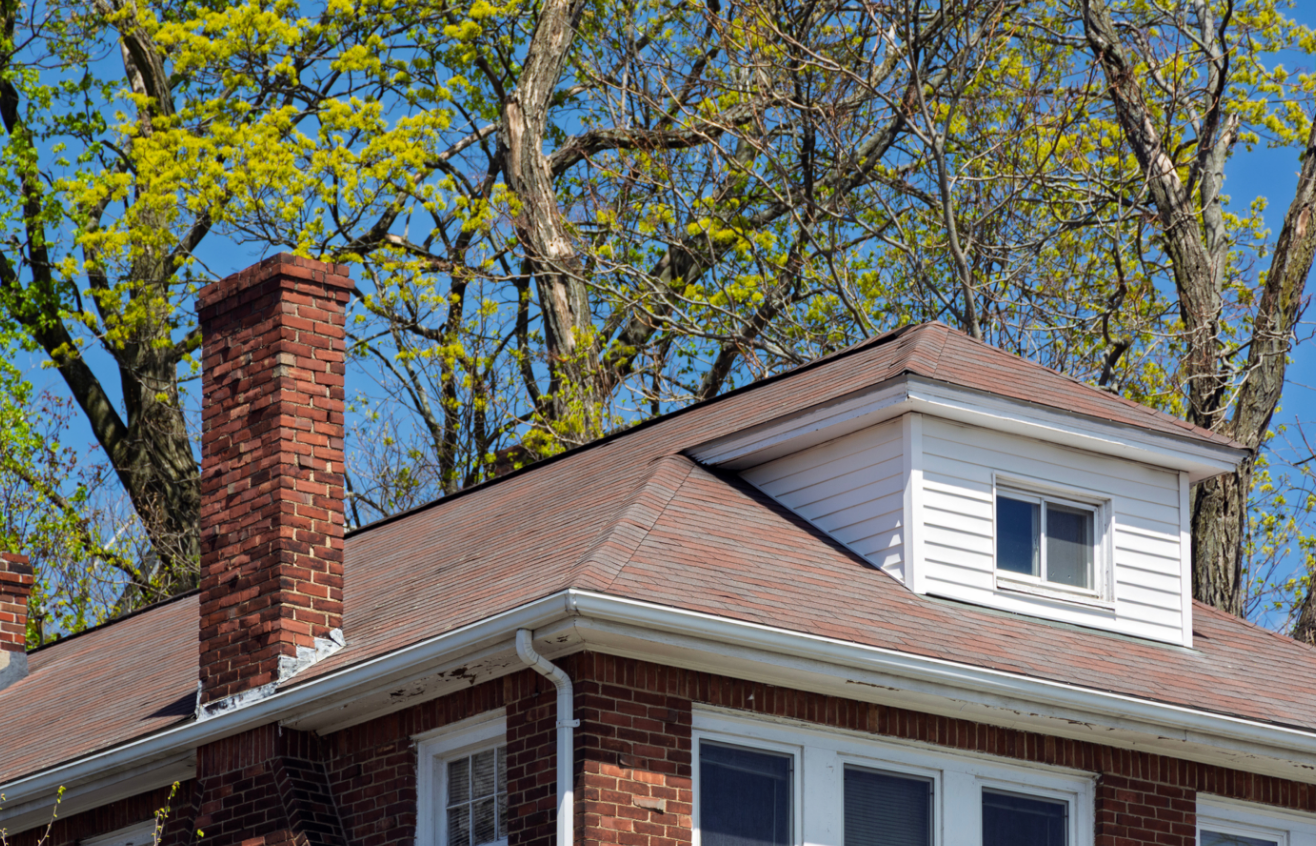
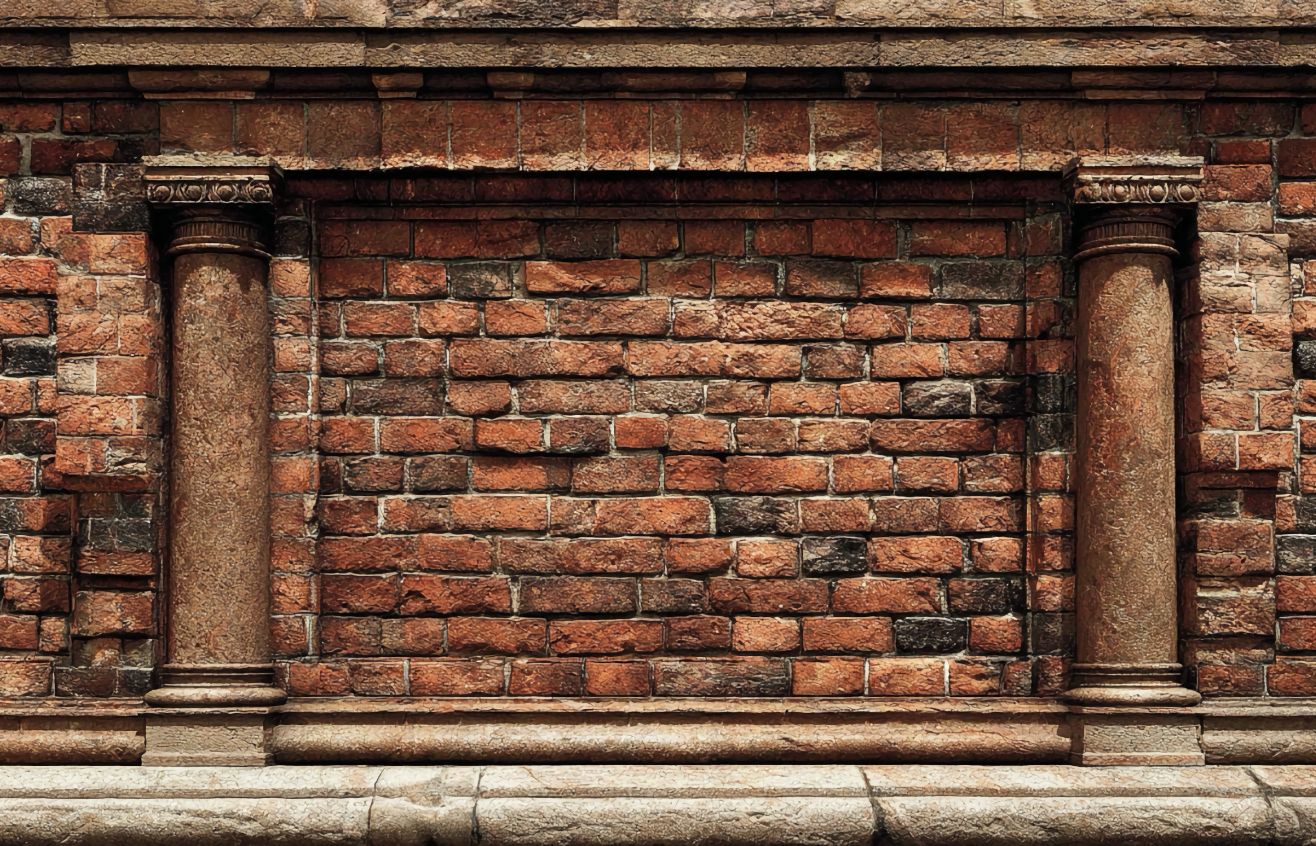
Older homes throughout Newmarket often feature beautiful brickwork, stone details and masonry craftsmanship that give them character newer homes simply cannot replicate.
But as masonry ages, it can begin to show signs of deterioration.
Cracking, crumbling mortar, spalling brick, moisture damage and previous improper repairs are all common issues in older masonry homes.
Professional masonry restoration can help preserve the original appearance of the home while repairing damaged areas and protecting the structure from further deterioration.
What Is Masonry Restoration?
Masonry restoration focuses on repairing and preserving existing brick, stone and mortar rather than replacing large sections unnecessarily.
The goal is to maintain as much of the original masonry as possible while correcting damaged or weakened areas.
Depending on the condition of the home, masonry restoration may include:
- Brick replacement
- Mortar repointing
- Crack repair
- Stone restoration
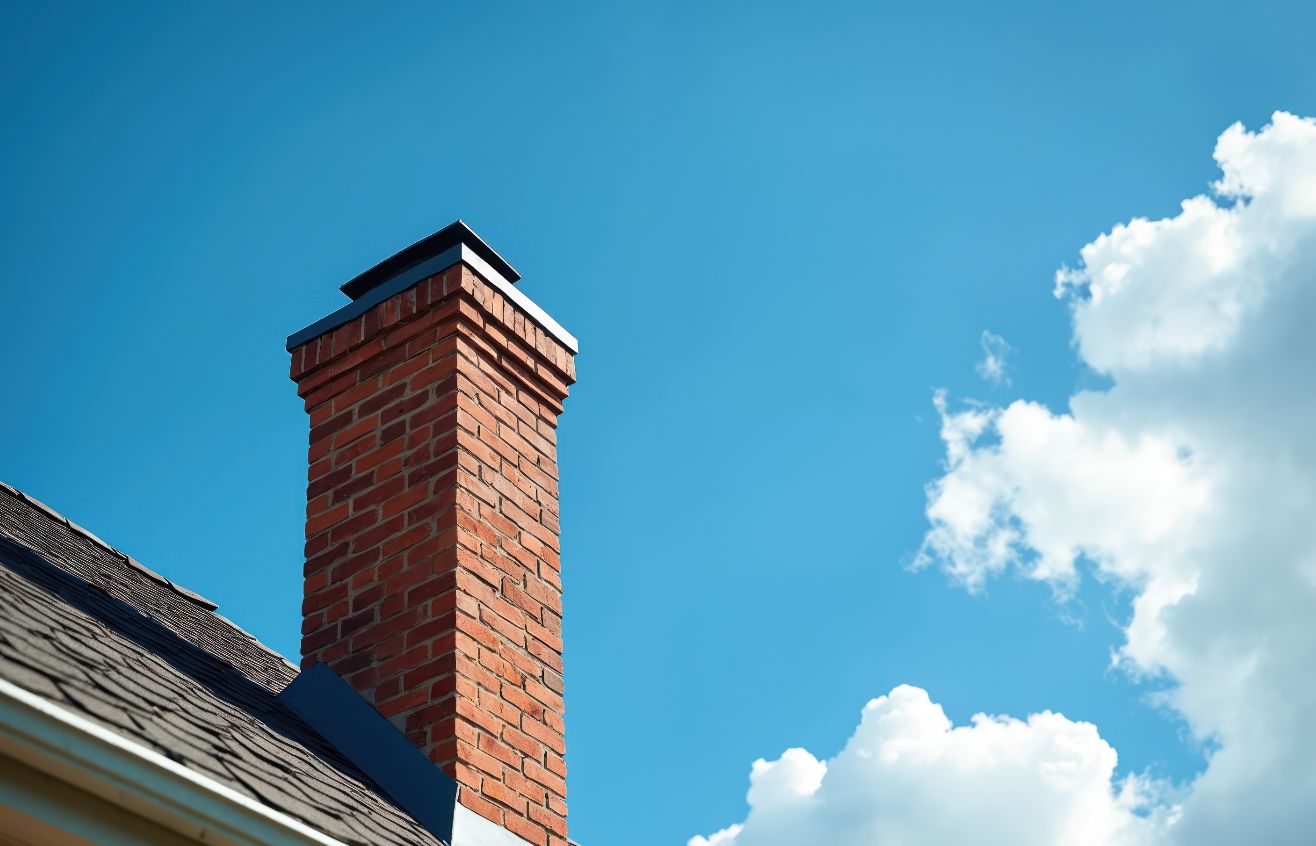
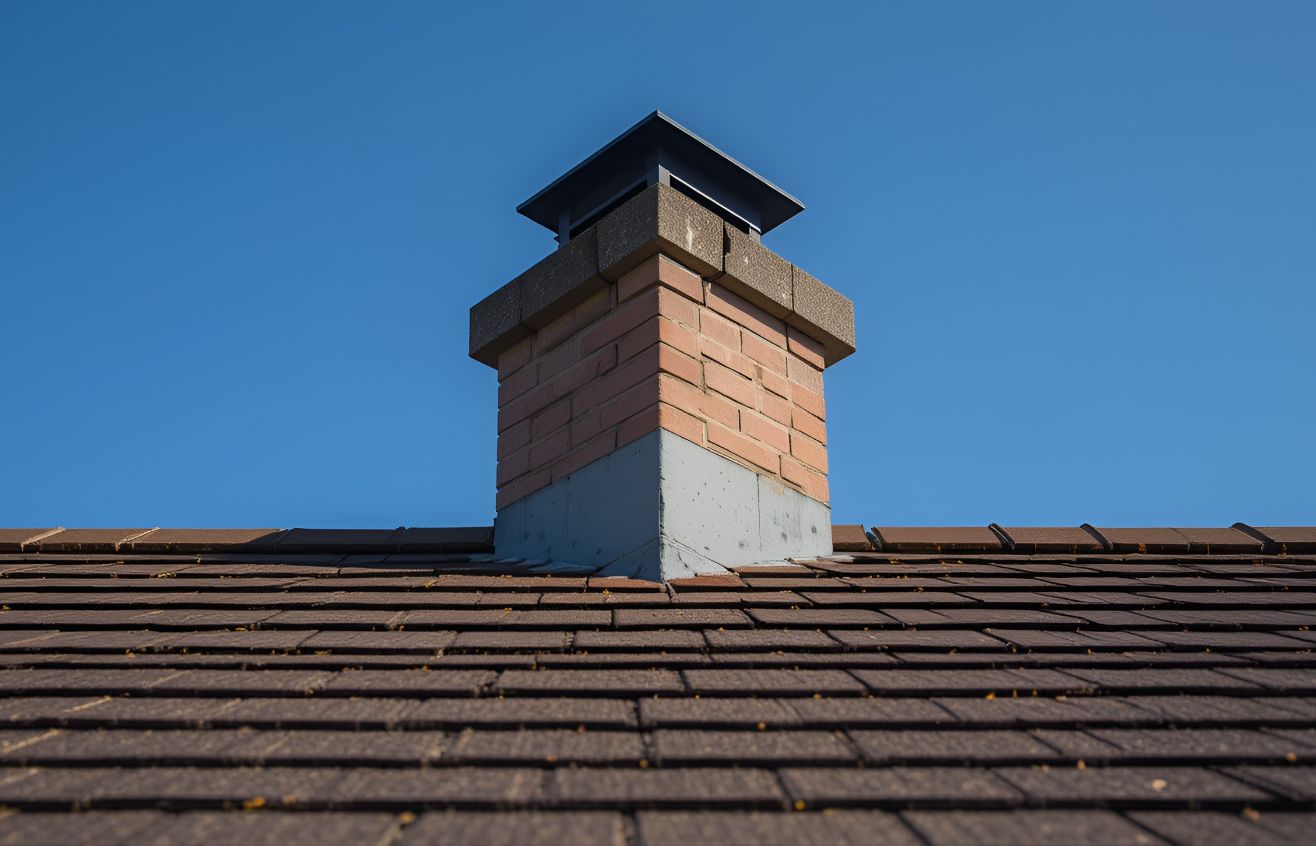
- Chimney repair
- Lintel repair
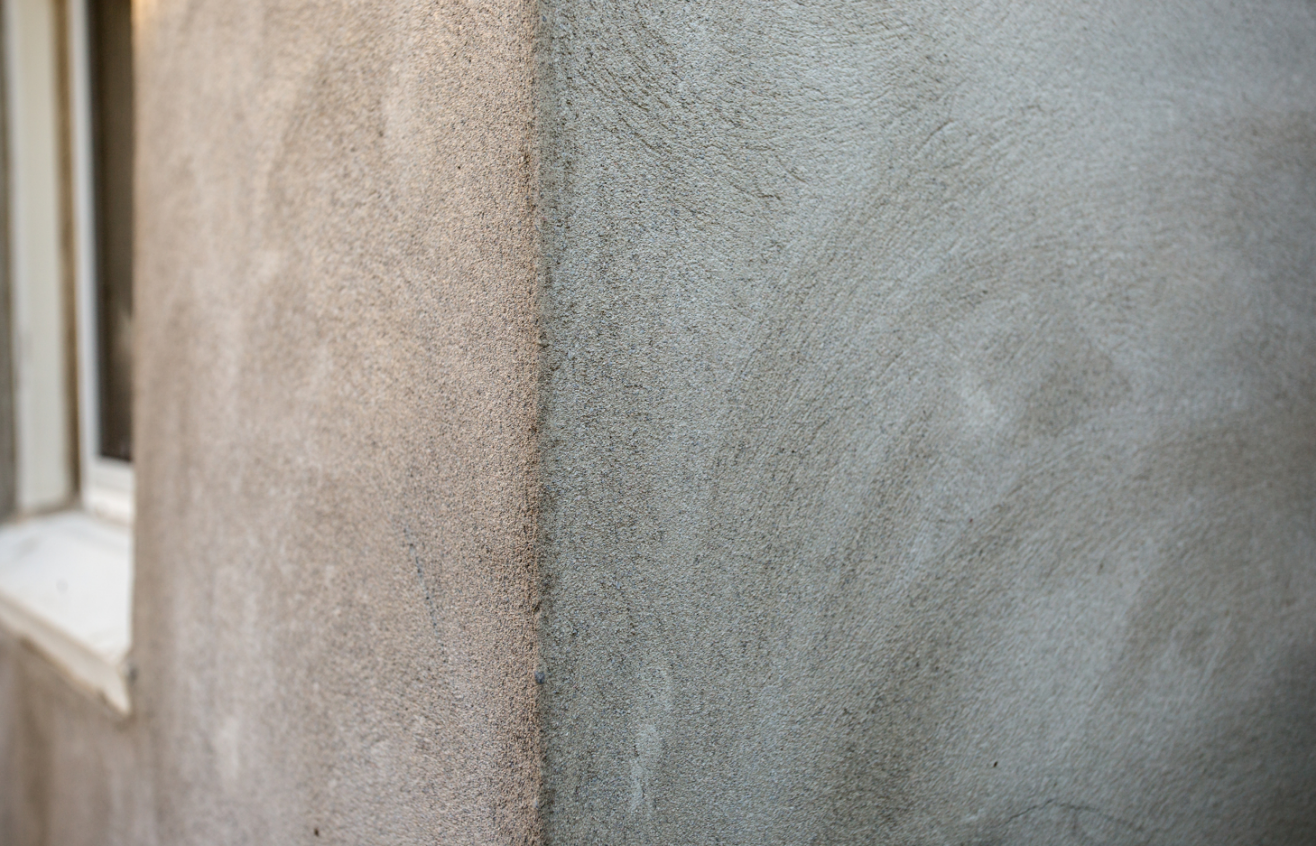
- Parging repair
- Rebuilding damaged masonry sections
- Matching replacement brick and mortar to existing materials
For older homes, careful material matching is especially important.
New repairs should blend naturally with the original masonry instead of standing out as obvious patches.
Common Masonry Problems in Older Newmarket Homes
Older masonry homes can develop several types of damage over time.
Deteriorating Mortar Joints
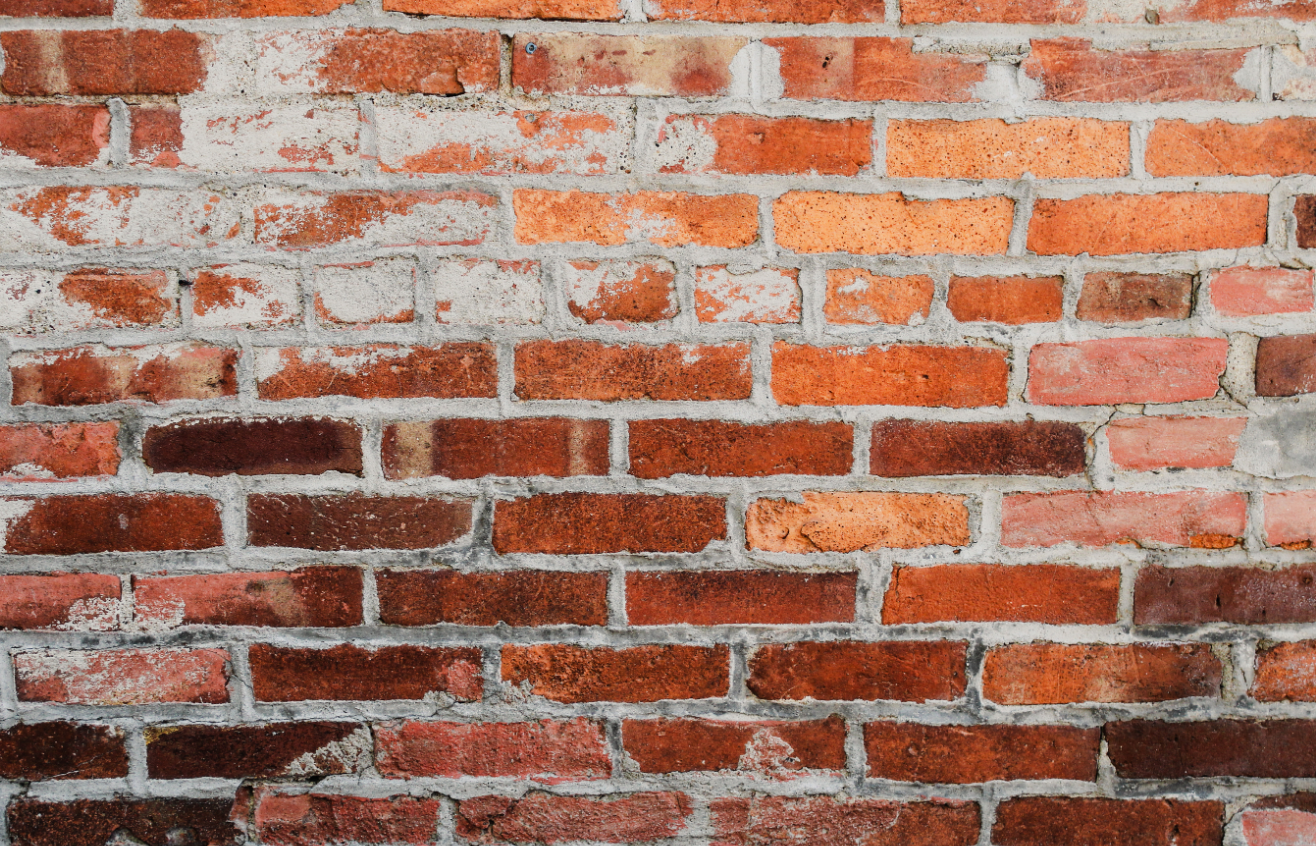
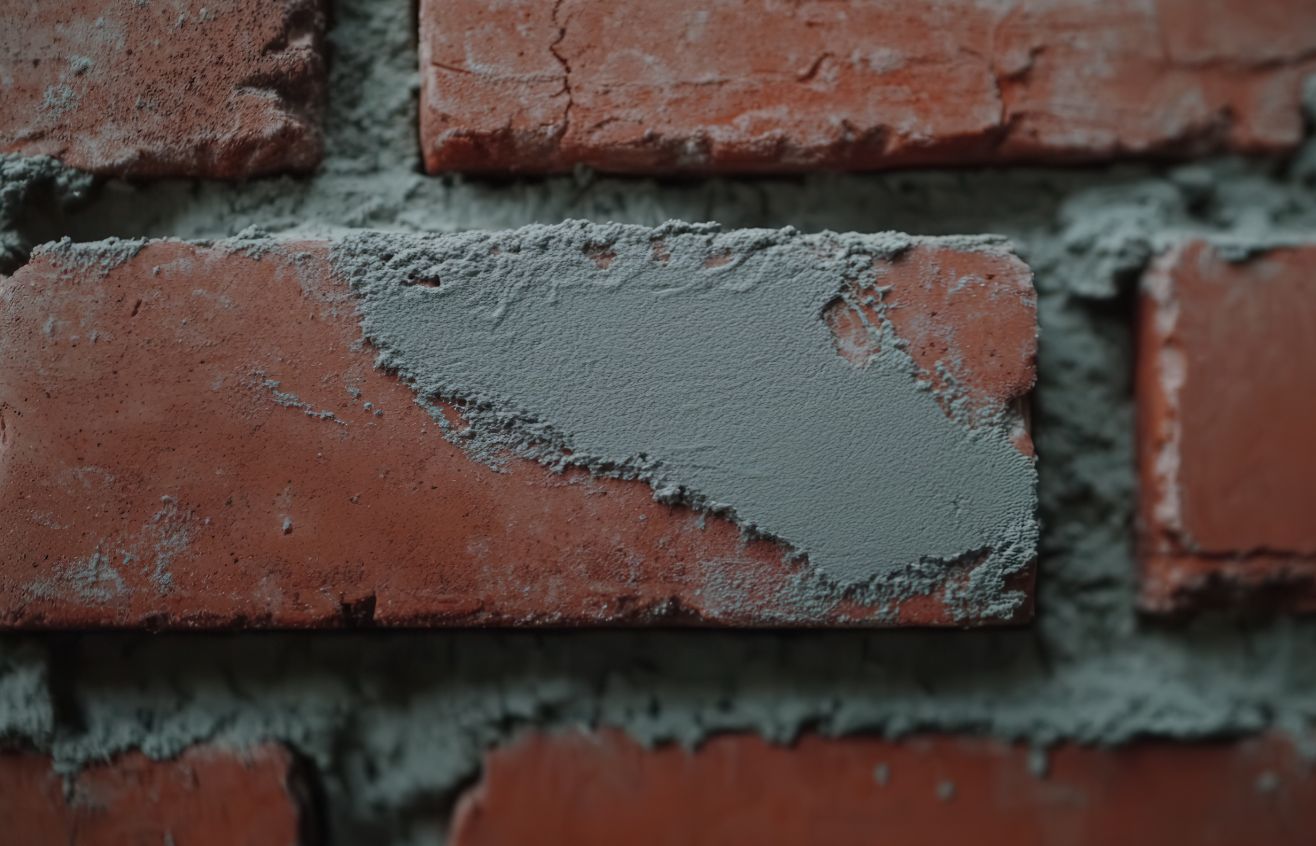
Mortar is often more vulnerable to weathering than brick.
As mortar ages, it can begin to crack, crumble or recede between the bricks.
Once gaps develop, water can enter the masonry more easily.
Repointing removes deteriorated mortar and replaces it with new mortar while leaving the surrounding brick intact.
When done properly, repointing can significantly extend the lifespan of an older brick wall.
Spalling and Crumbling Brick
Spalling occurs when the surface of a brick begins to flake or break apart.
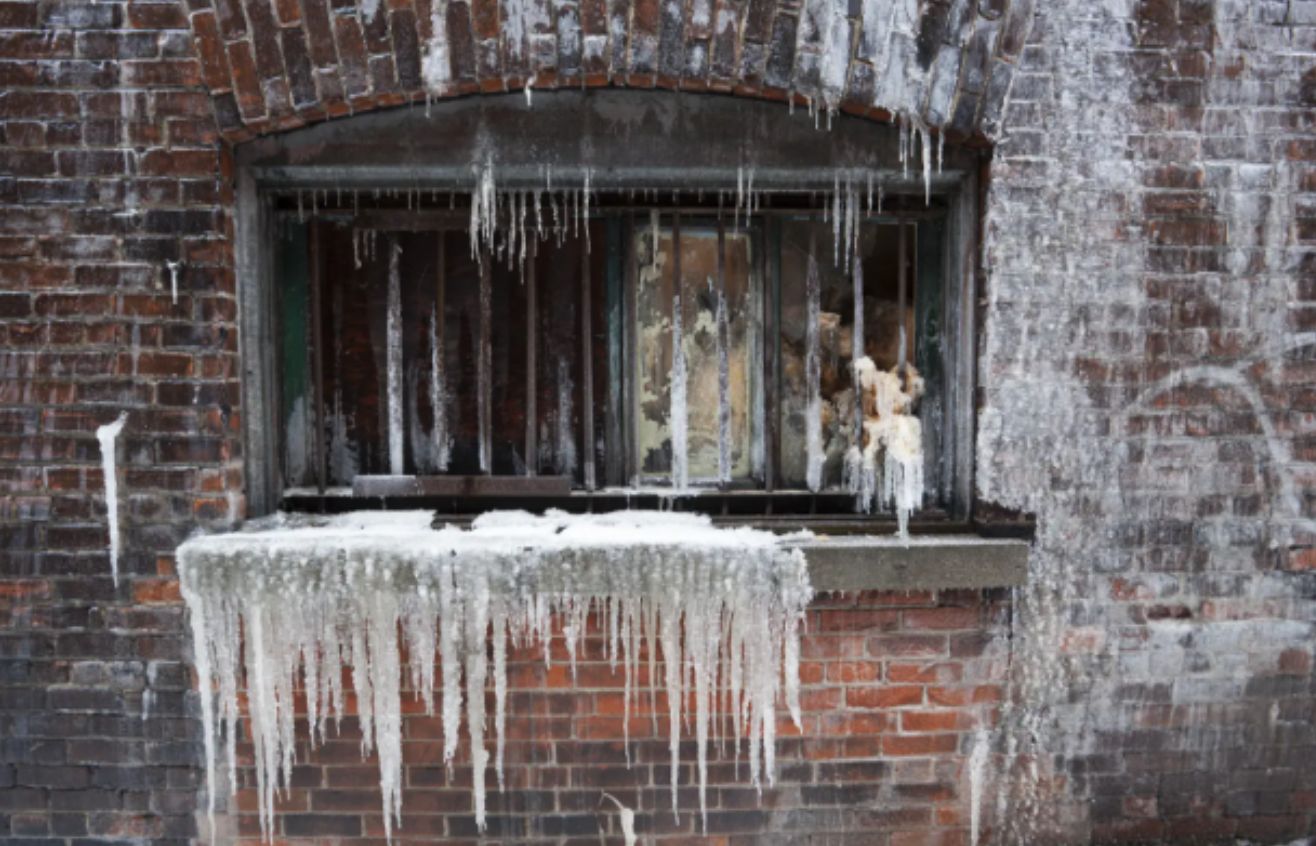
This commonly happens when moisture enters the brick and freezes during colder temperatures.
Repeated freeze-thaw cycles can gradually weaken the masonry.
Older bricks may be particularly vulnerable if they have already absorbed moisture for many years.
Individual damaged bricks can often be replaced while preserving the surrounding masonry.
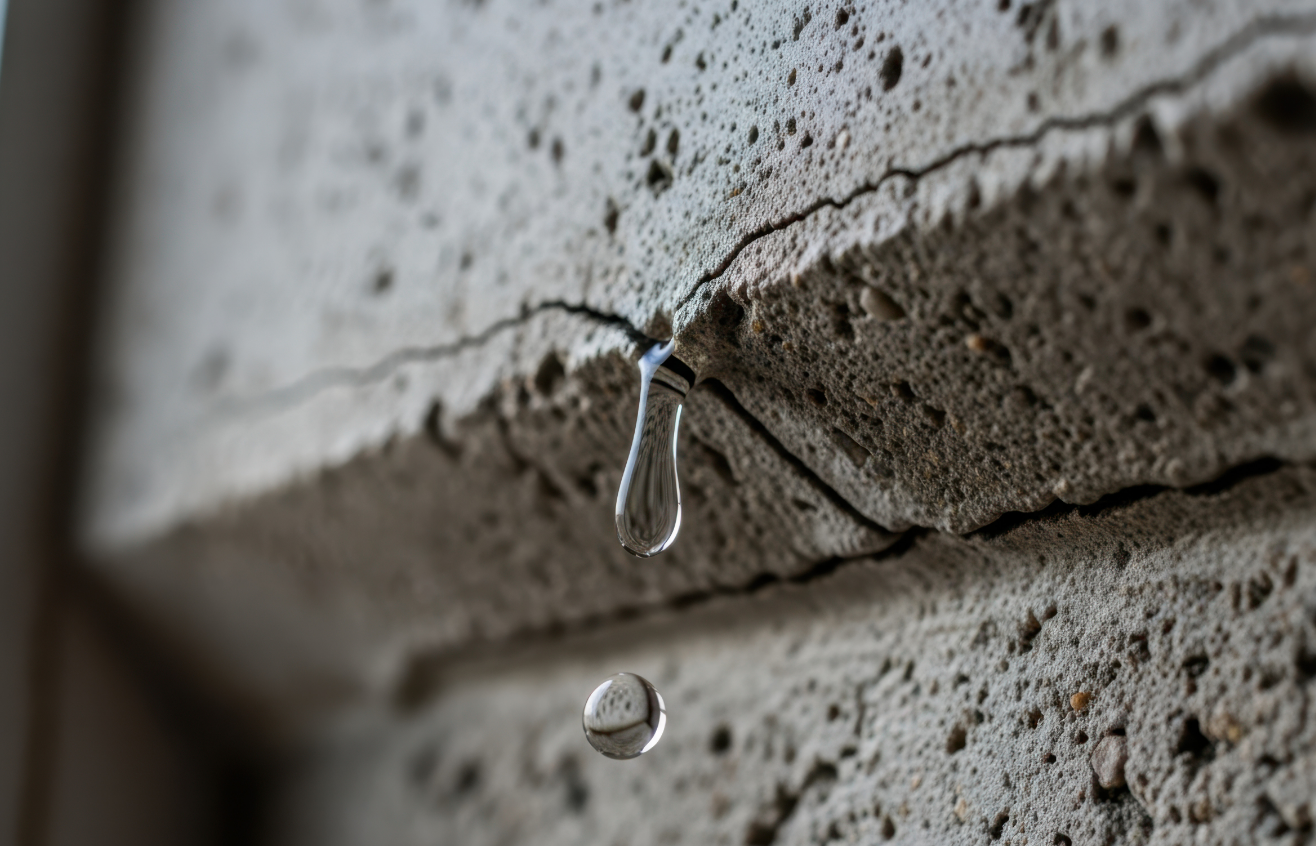
Cracks in Brick Walls
Cracks can appear in older masonry for several reasons, including:
- Settlement
- Foundation movement
- Temperature changes
- Deteriorating mortar
- Rusting lintels
- Water infiltration
Some cracks are relatively minor, while others may indicate movement within the structure.
Before repairing the crack itself, it is important to determine why it developed.
Damage Around Windows and Doors
Cracking around windows, doors and garage openings can sometimes be caused by lintel deterioration.
Lintels support the masonry above openings.
Steel lintels can rust and expand over time, placing pressure on the surrounding brickwork.
Signs of lintel problems may include:
- Horizontal cracking
- Stair-step cracks
- Brick movement
- Sagging above windows or doors
- Gaps forming around openings
Addressing the lintel along with the damaged masonry can prevent the problem from continuing.
Water Damage and Efflorescence
Water is one of the biggest threats to older masonry.
Signs of moisture problems can include:
- White powdery deposits
- Dark staining
- Crumbling mortar
- Spalling brick
- Damp areas inside the home
- Moss or organic growth
White staining on masonry is often efflorescence, which forms when moisture moves through brick or mortar and leaves mineral deposits behind.
While efflorescence itself is usually not dangerous, recurring staining can indicate an ongoing moisture issue.
Why Matching Old Brick and Mortar Matters
One of the biggest challenges when restoring an older home is making sure new materials are compatible with the existing masonry.
Older brick can differ significantly from modern brick in strength, density, colour and moisture absorption.
Mortar also needs to be selected carefully.
Using mortar that is significantly harder than the existing brick can place additional stress on the masonry.
A proper restoration should consider:
- Brick type
- Brick colour
- Brick size
- Mortar composition
- Joint profile
- Existing masonry condition
- Age of the home
The finished repair should protect the masonry while maintaining the character of the original home.
Masonry Restoration vs. Masonry Replacement
Not every damaged wall needs to be rebuilt.
In many cases, targeted restoration can address deterioration while preserving most of the original structure.
Restoration may involve replacing individual bricks, repointing mortar or rebuilding only the sections that are beyond repair.
Complete replacement may be necessary when masonry is severely deteriorated, unstable or extensively damaged.
A masonry inspection can help determine which approach makes the most sense.
Why Ontario Weather Is Hard on Older Masonry
Newmarket homes experience significant seasonal temperature changes throughout the year.
Moisture can enter small cracks and openings in brick or mortar.
When temperatures fall below freezing, that moisture expands.
As temperatures rise, it contracts again.
Over many freeze-thaw cycles, small masonry defects can become larger problems.
Snow, rain and ice can also contribute to long-term moisture exposure.
Keeping mortar joints, flashing, chimney components and drainage systems in good condition can help reduce unnecessary masonry damage.
Can Older Brickwork Be Restored Without Changing Its Appearance?
In many situations, yes.
A careful restoration should preserve the original look of the home whenever possible.
This may involve sourcing replacement bricks that closely match the existing masonry and selecting mortar with a similar colour, texture and joint style.
Some colour variation is normal in older masonry and can actually help replacement areas blend more naturally.
The goal is not to make an older home look brand new.
The goal is to restore damaged masonry while keeping the character that makes the home unique.
Signs Your Older Home May Need Masonry Restoration
Consider having your masonry inspected if you notice:
- Crumbling mortar
- Loose bricks
- Flaking or spalling brick
- Stair-step cracks
- Cracks around windows or doors
- Bulging masonry
- Water staining
- Repeated masonry repairs
- Sections of brick pulling away from the home
- Deteriorating chimney masonry
Addressing these problems early can often prevent more extensive repairs later.
Masonry Restoration in Newmarket
Chameleon Masonry provides professional masonry restoration and brick repair services throughout Newmarket and surrounding communities.
Our team works with homeowners to repair deteriorating masonry while preserving the appearance and character of older homes.
Whether your property needs brick replacement, repointing, chimney repair, crack repair or more extensive masonry restoration, we can assess the condition of the masonry and recommend the appropriate solution.
Contact Chameleon Masonry today to request a quote for masonry restoration in Newmarket.
.png)
.png)



.png)
.png)


.png)
.png)





.jpg)
.jpg)
.jpg)
.jpg)
.jpg)
.jpg)
.jpg)
.jpg)
.jpg)
.jpg)
.jpg)
.jpg)
.jpg)
.jpg)
.jpg)
.jpg)
.jpg)
.jpg)
.jpg)
.jpg)
.jpg)
.jpg)
.jpg)
.jpg)
.jpg)
.jpg)
.jpg)
.jpg)
.jpg)
.jpg)
.jpg)
.jpg)
.jpg)

Contact Us For A Free Consultation
Have questions or ready to start your masonry restoration project? Our dedicated team of masonry experts are here to help. Whether you’re exploring historical restoration, custom masonry modifications, or need expert brick repair, we’re just a call or click away.