Should You Seal Your Brick Before Winter?
Every fall, homeowners ask us whether they should seal their brick before winter. It makes sense. Ontario winters are hard on masonry, and a sealer sounds like an easy way to keep water out.
The honest answer is that sometimes a sealer helps, sometimes it is unnecessary and sometimes it causes more harm than good. Here is how to tell which situation you are in.
How Brick Handles Water Naturally
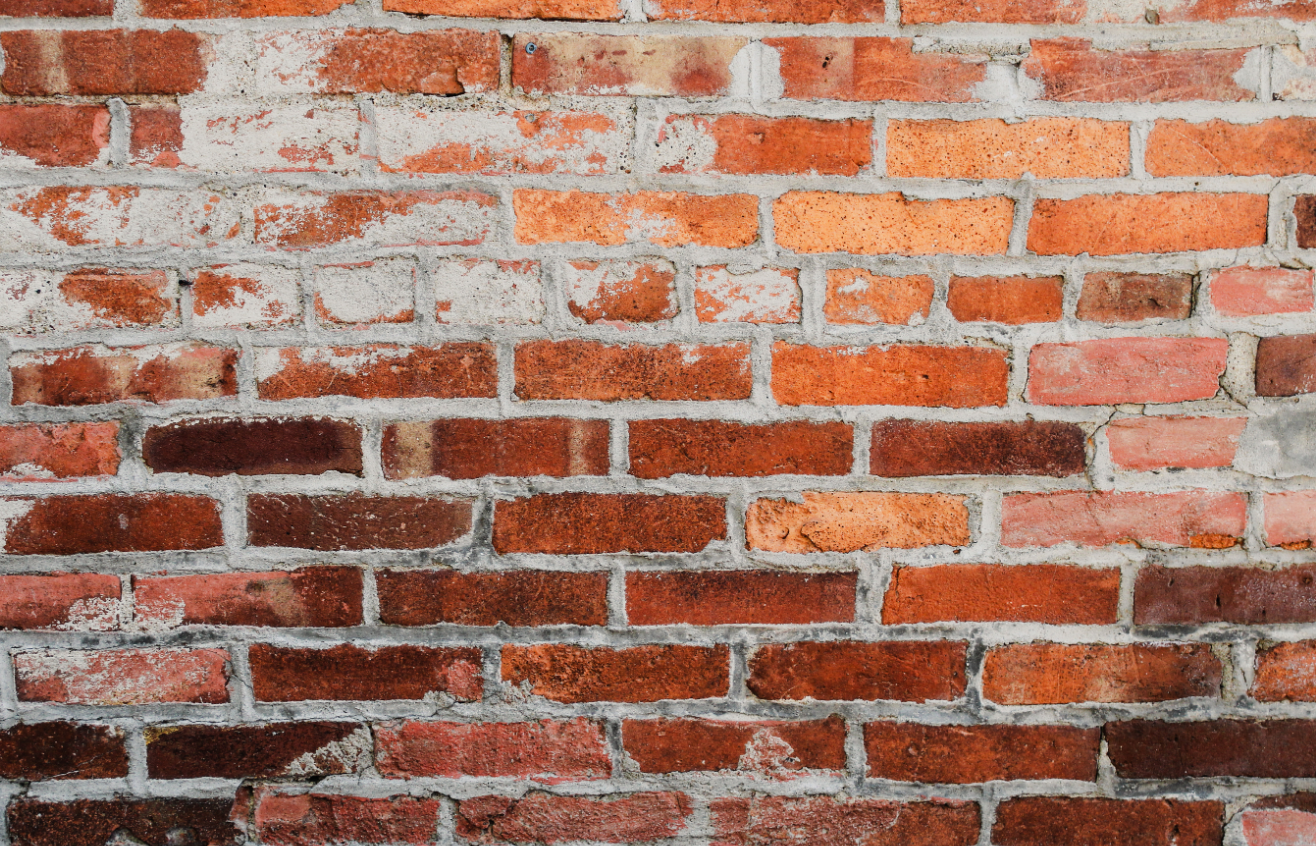
Brick and mortar are porous. They absorb some water when it rains and release it as they dry. In a healthy wall, that cycle is normal.
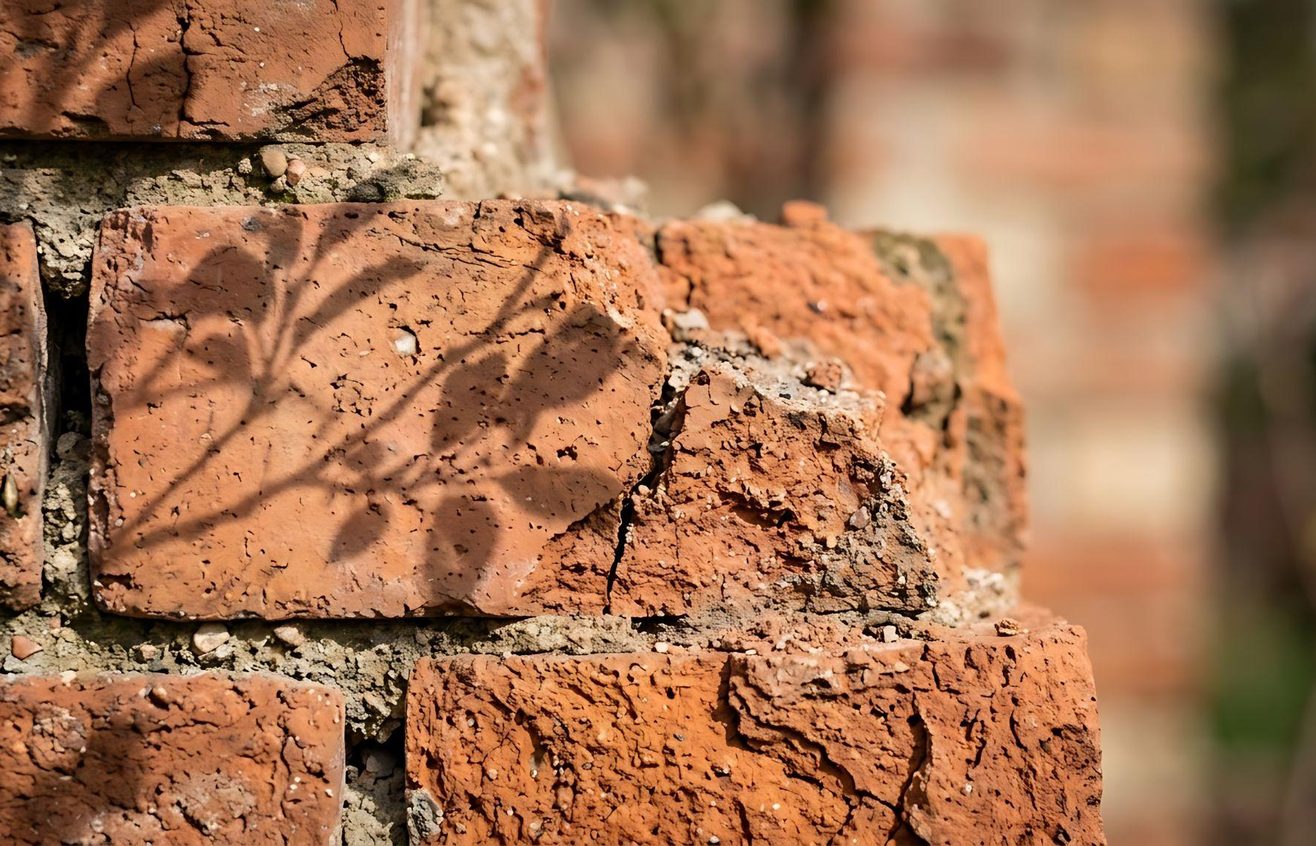
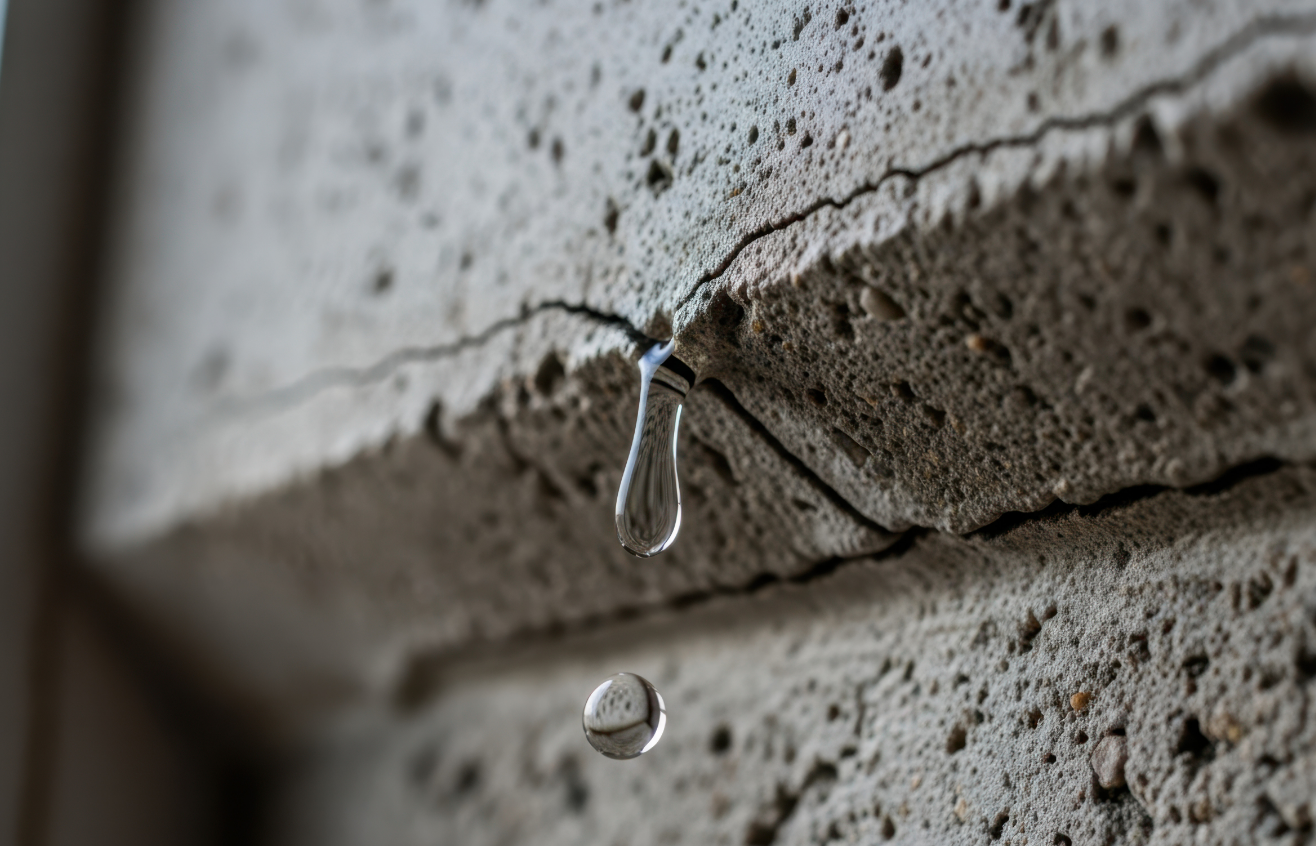
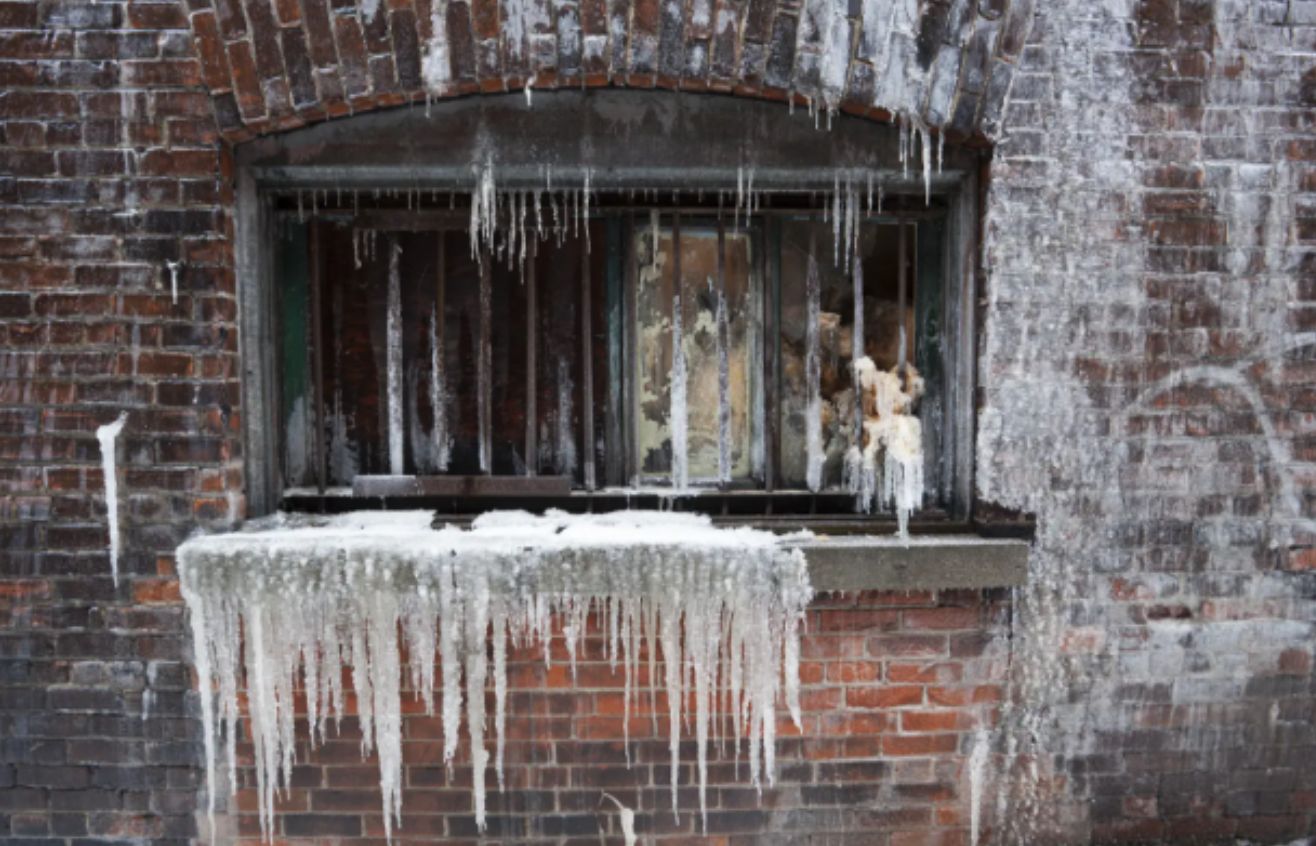
Problems start when a wall takes in more water than it can release, or when moisture gets trapped inside. That is when freeze and thaw damage, spalling and crumbling mortar begin.
The goal of any sealer should be to reduce how much water gets in while still letting the wall dry out.
The Two Main Types of Brick Sealer
Penetrating, breathable sealers
These soak into the brick and mortar and make them water repellent without forming a coating on the surface. Silane and siloxane products are the most common. The brick still looks natural, and water vapour can still escape.
Film forming sealers
These sit on top of the brick as a coating, often giving it a glossy or wet look. Acrylic sealers are a common example. They block water from getting in, but they can also block it from getting out.
For most exterior brick walls, film forming sealers are a poor choice. Trapped moisture behind a coating can freeze, push the brick face off and cause the exact damage the sealer was meant to prevent.
When Sealing Brick Can Help
A breathable sealer may be worth considering when:
- A wall faces heavy wind driven rain
- Brick is very absorbent and stays dark long after rain
- Masonry sits close to ground level near driveways and walkways, where it is exposed to splash and road salt
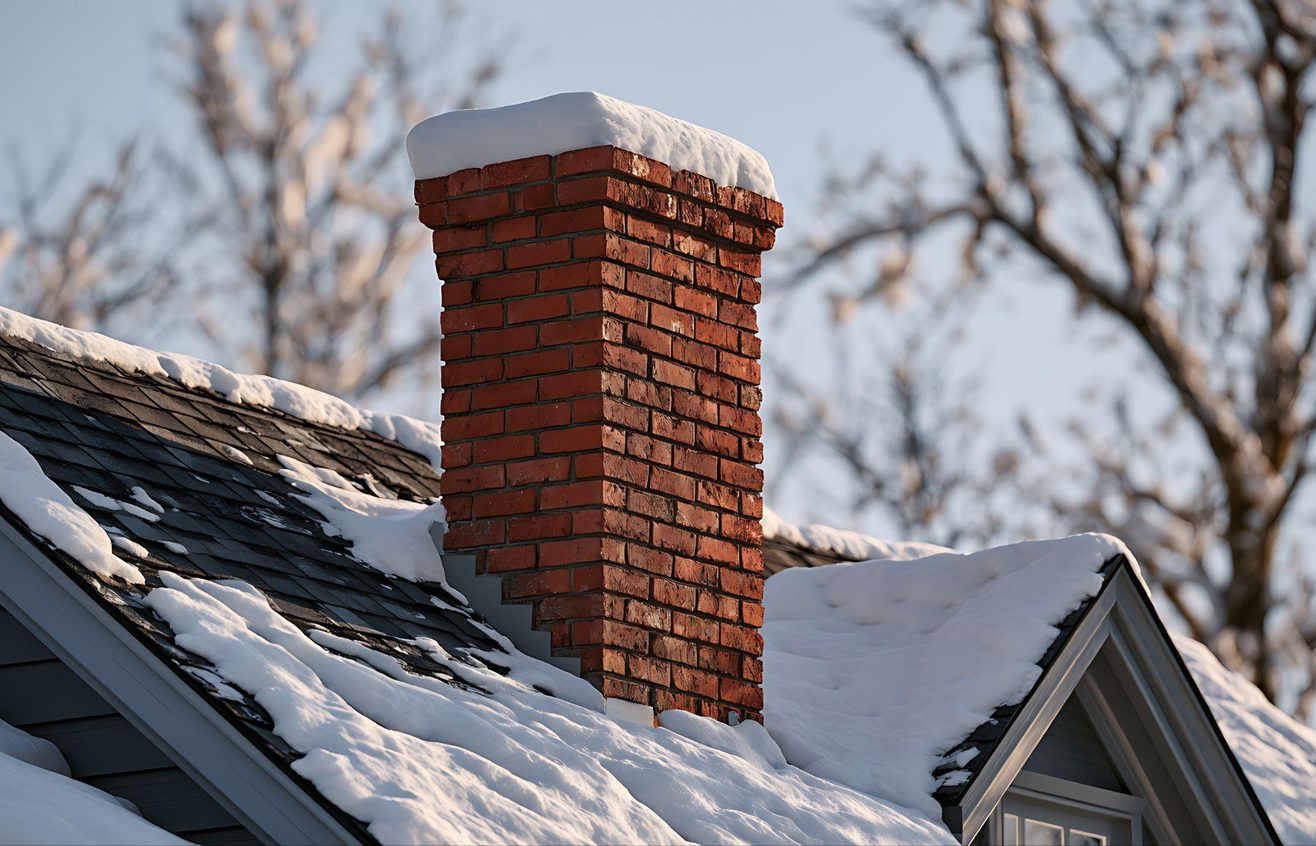
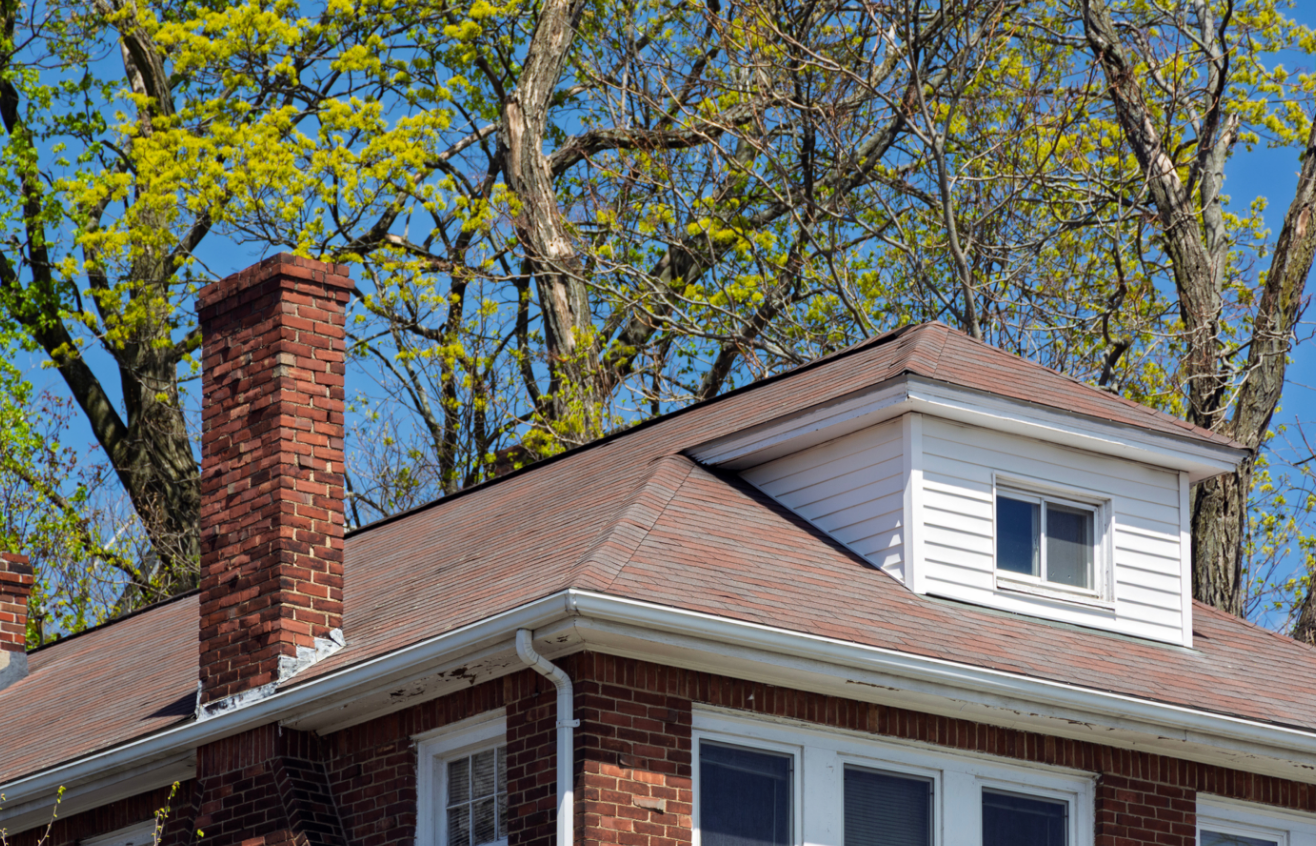
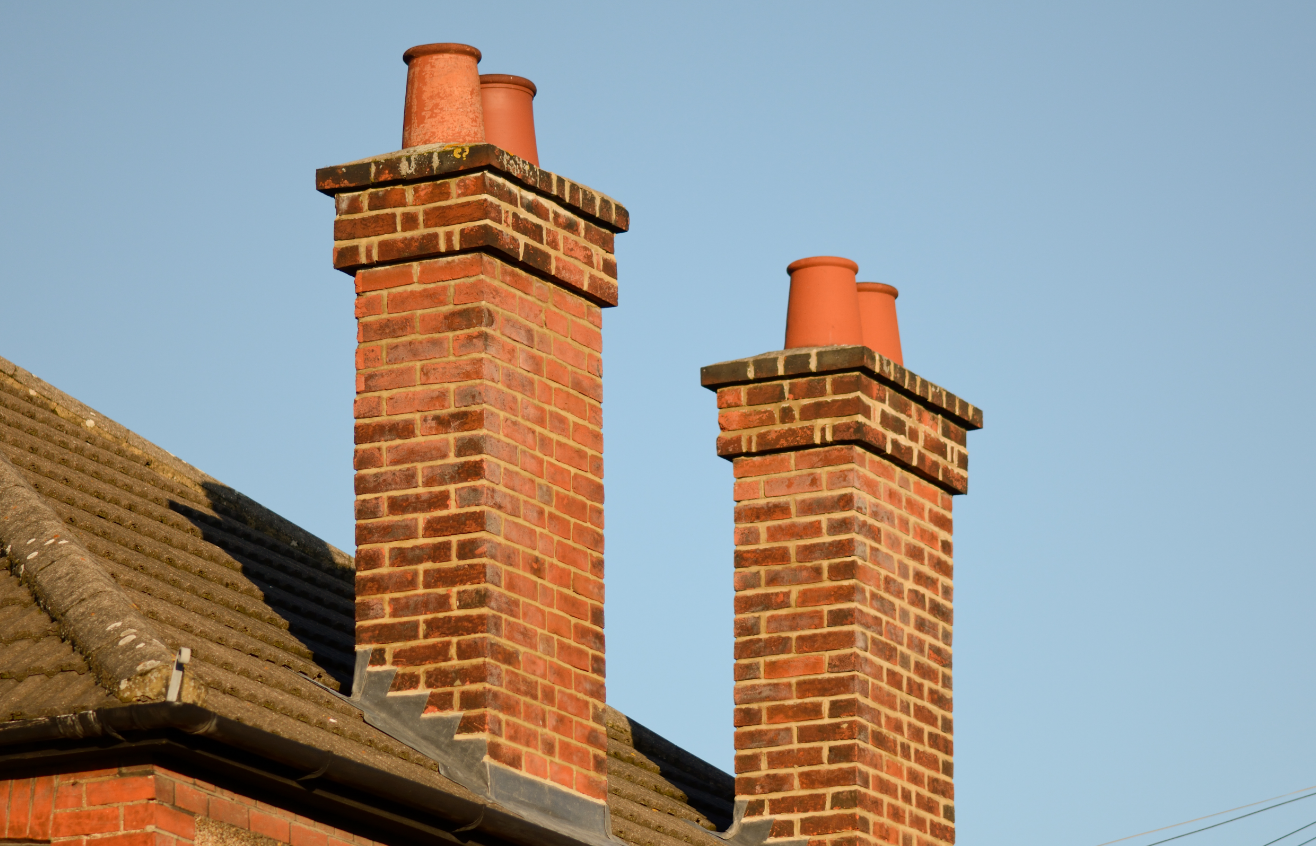
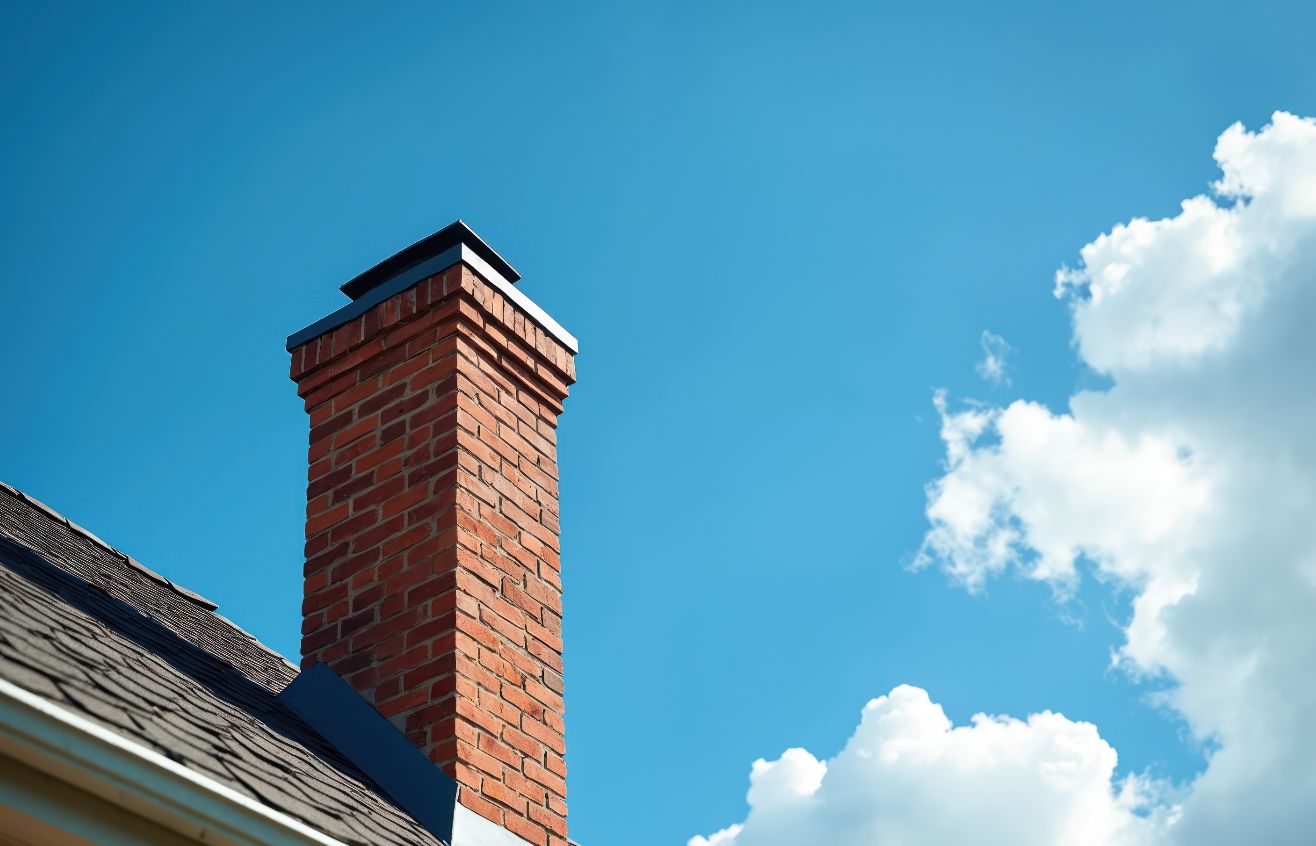
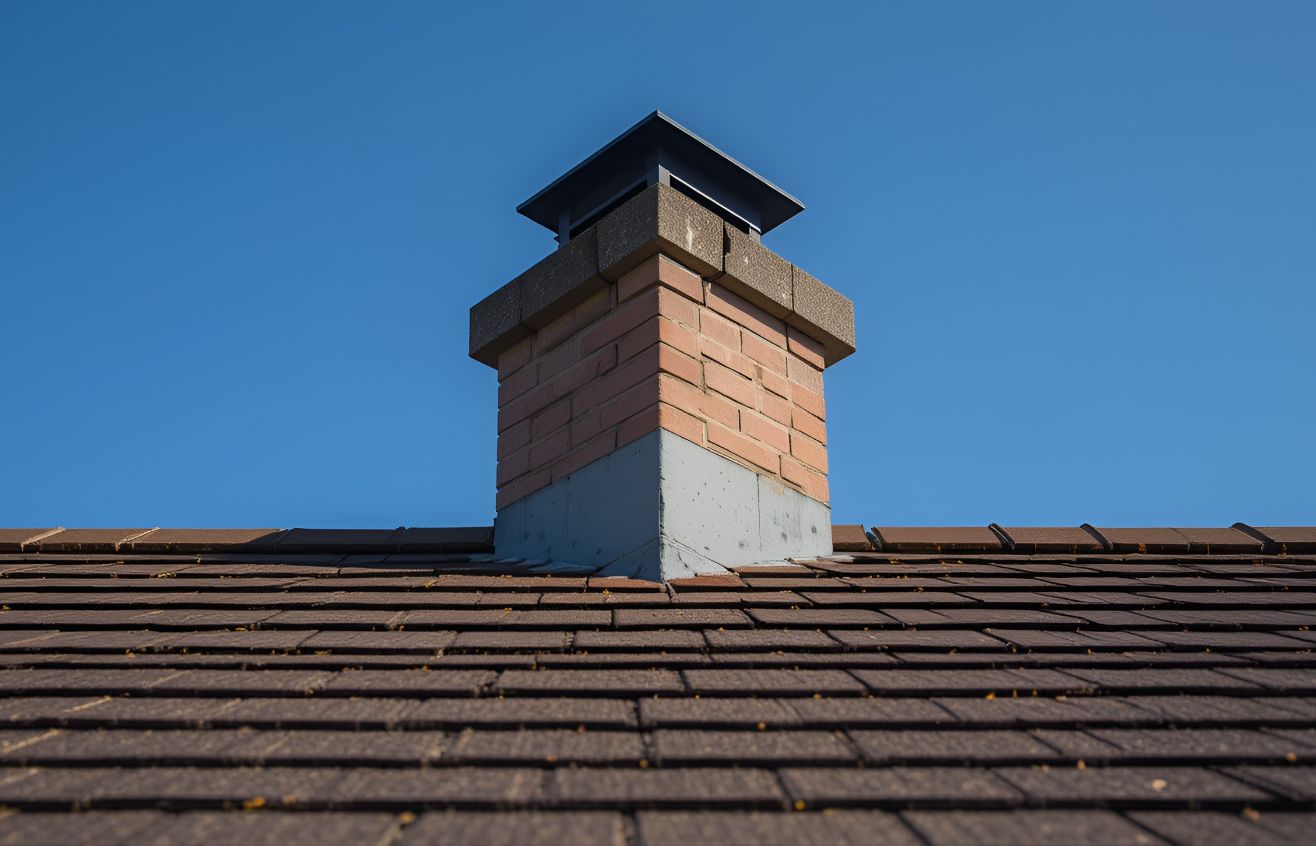
- Chimney brick is exposed above the roofline
When You Should Not Seal Your Brick
Sealing is not a fix for damaged masonry. Avoid it when:
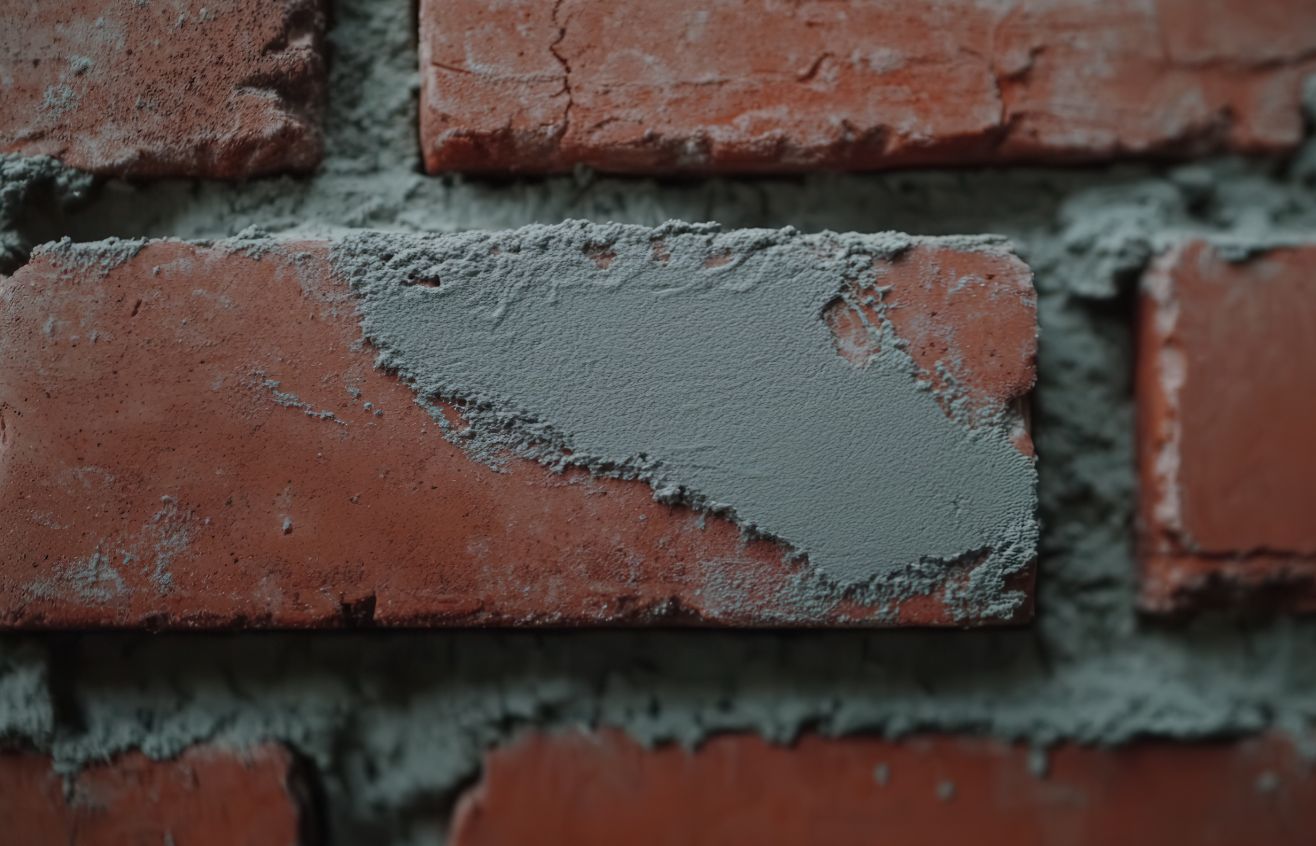
- Mortar joints are cracked or crumbling. Water will still enter through the gaps, and the sealer can slow drying.
- Bricks are already spalling. The wall needs repair before any protection is added.
- There is an active leak. Flashing, eavestroughs or crowns should be fixed first.
- Mortar was recently repaired. New mortar needs time to cure fully before a sealer is applied.
- The home has older, soft brick and lime mortar. Historic masonry often relies on being able to breathe freely, and many sealers are not appropriate.
In each of these cases, sealing the brick simply covers up a problem that will keep getting worse.
Repairs First, Sealer Second
The most effective way to protect brick through winter is to make sure water is not getting in where it should not:
- Repair cracked or recessed mortar joints
- Replace damaged or spalling bricks
- Fix chimney crowns and flashing
- Clean eavestroughs and extend downspouts away from walls
- Keep weep holes clear
- Make sure soil and landscaping slope away from the house
Once the masonry is sound, a breathable sealer can add another layer of protection in high exposure areas.
What About Efflorescence?
White, powdery stains on brick are called efflorescence. They form when water moves through masonry and leaves salts behind on the surface. Sealing over efflorescence does not stop the moisture causing it. Finding and fixing the water source is the real solution.
Brick Repair and Protection in Barrie and Simcoe County
Chameleon Masonry helps homeowners across Barrie, Simcoe County, Wasaga Beach, Collingwood, Orillia and the northern GTA protect their brick before winter.
We assess the condition of your masonry, complete any repairs that are needed and advise whether a breathable sealer makes sense for your home.
Contact Chameleon Masonry today to request a quote for brick repair before winter.
.png)
.png)
.png)



.png)
.png)




.png)
.png)





.jpg)
.jpg)
.jpg)
.jpg)
.jpg)
.jpg)
.jpg)
.jpg)
.jpg)
.jpg)
.jpg)
.jpg)
.jpg)
.jpg)
.jpg)
.jpg)
.jpg)
.jpg)
.jpg)
.jpg)
.jpg)
.jpg)
.jpg)
.jpg)
.jpg)
.jpg)
.jpg)
.jpg)
.jpg)
.jpg)
.jpg)
.jpg)
.jpg)

Contact Us For A Free Consultation
Have questions or ready to start your masonry restoration project? Our dedicated team of masonry experts are here to help. Whether you’re exploring historical restoration, custom masonry modifications, or need expert brick repair, we’re just a call or click away.