Chimney Repair vs. Chimney Rebuild: How to Know What Your Home Needs
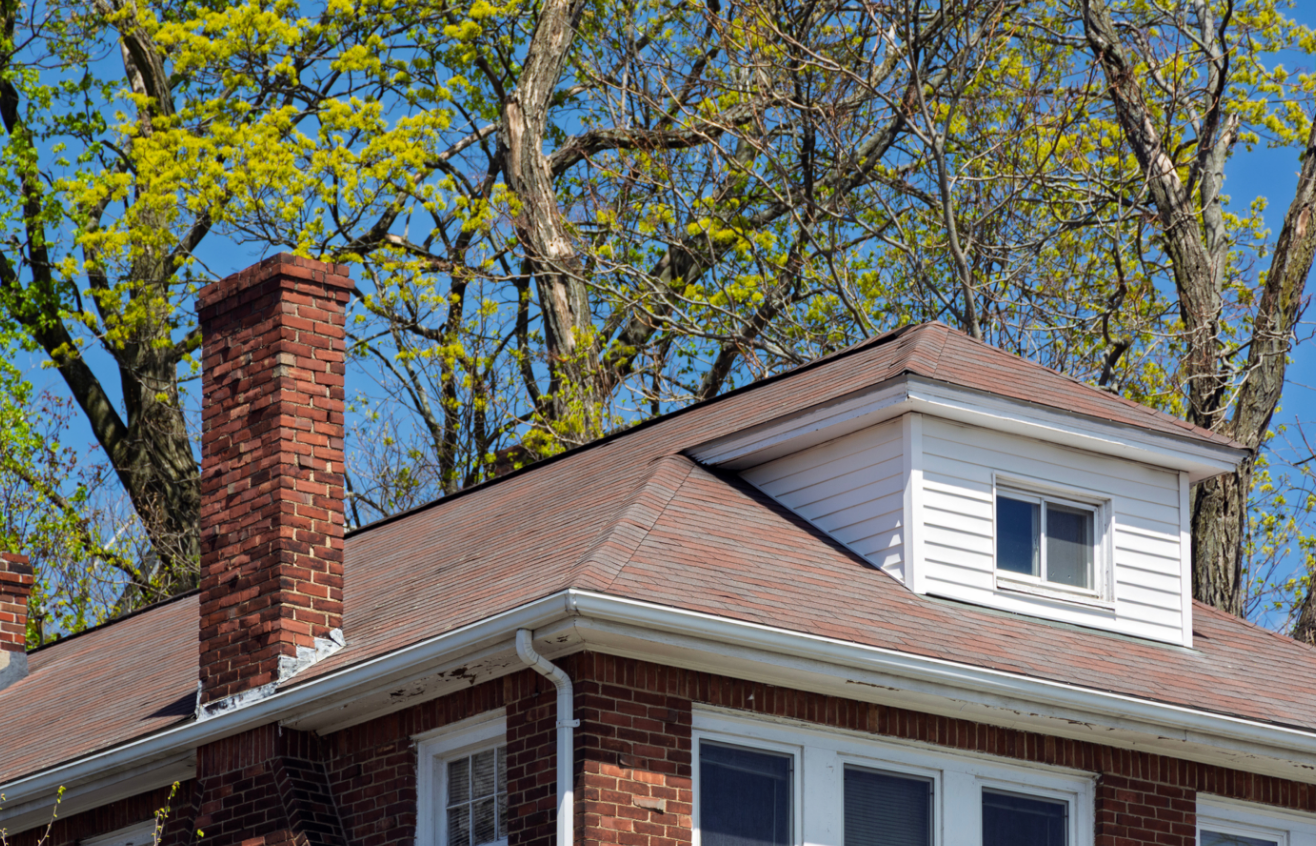
A damaged chimney does not always mean you need a complete rebuild. In many cases, targeted chimney repairs can restore the structure and prevent further deterioration. However, when the damage becomes extensive or begins affecting the stability of the chimney, rebuilding may be the safer and more cost-effective solution.
Understanding the difference between chimney repair and chimney rebuilding can help homeowners address problems early and avoid unnecessary expenses.
When Can a Chimney Be Repaired?
Chimney repair is usually appropriate when the damage is limited to specific areas and the overall structure is still stable.
Common repairs include:
- Replacing cracked or damaged bricks
- Repointing deteriorated mortar joints
- Repairing or replacing the chimney crown
- Sealing small cracks
- Fixing minor water damage
- Replacing damaged flashing
- Repairing localized spalling bricks
If only a small portion of the chimney is damaged, repairing the affected area can often extend the life of the chimney significantly.
Signs Your Chimney May Only Need Repair
Some common signs that your chimney may be repairable include:
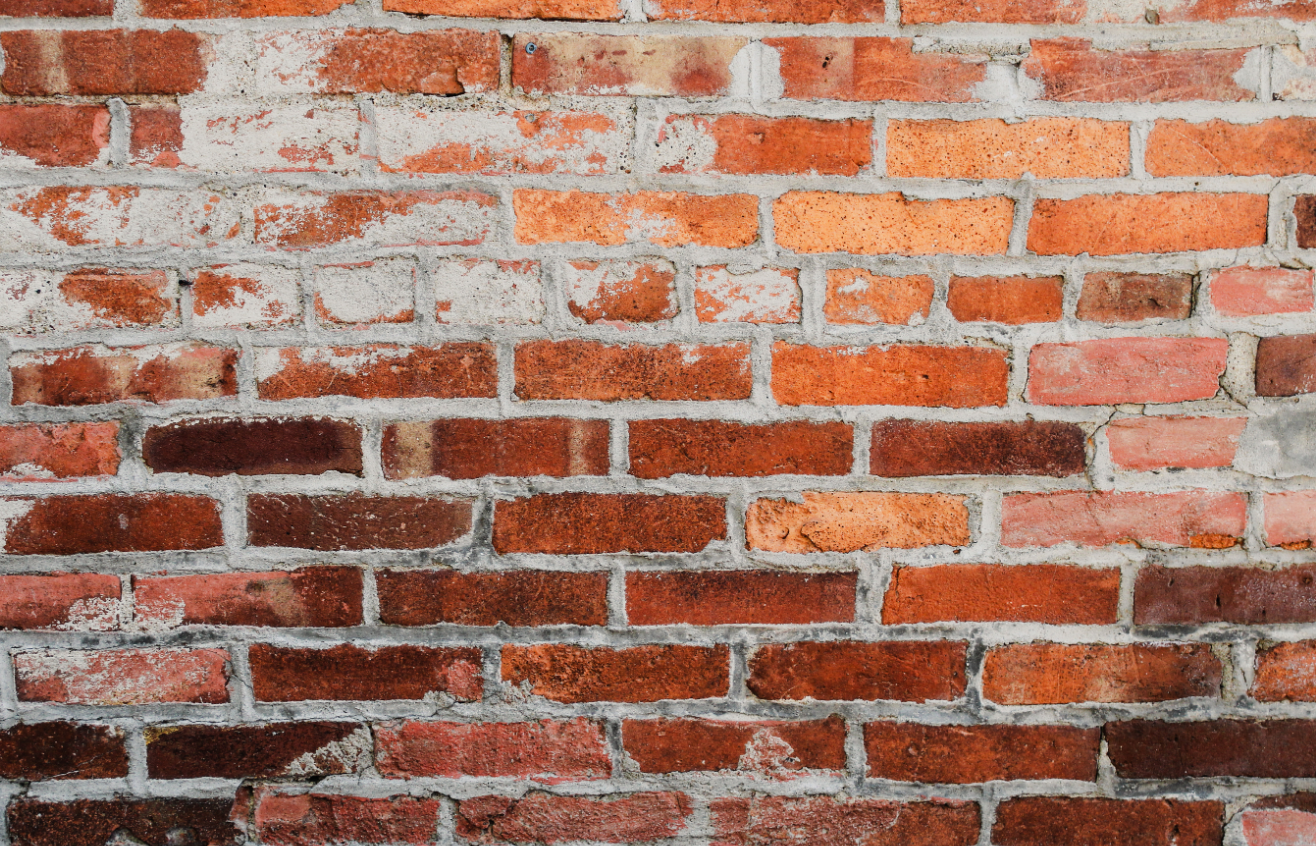
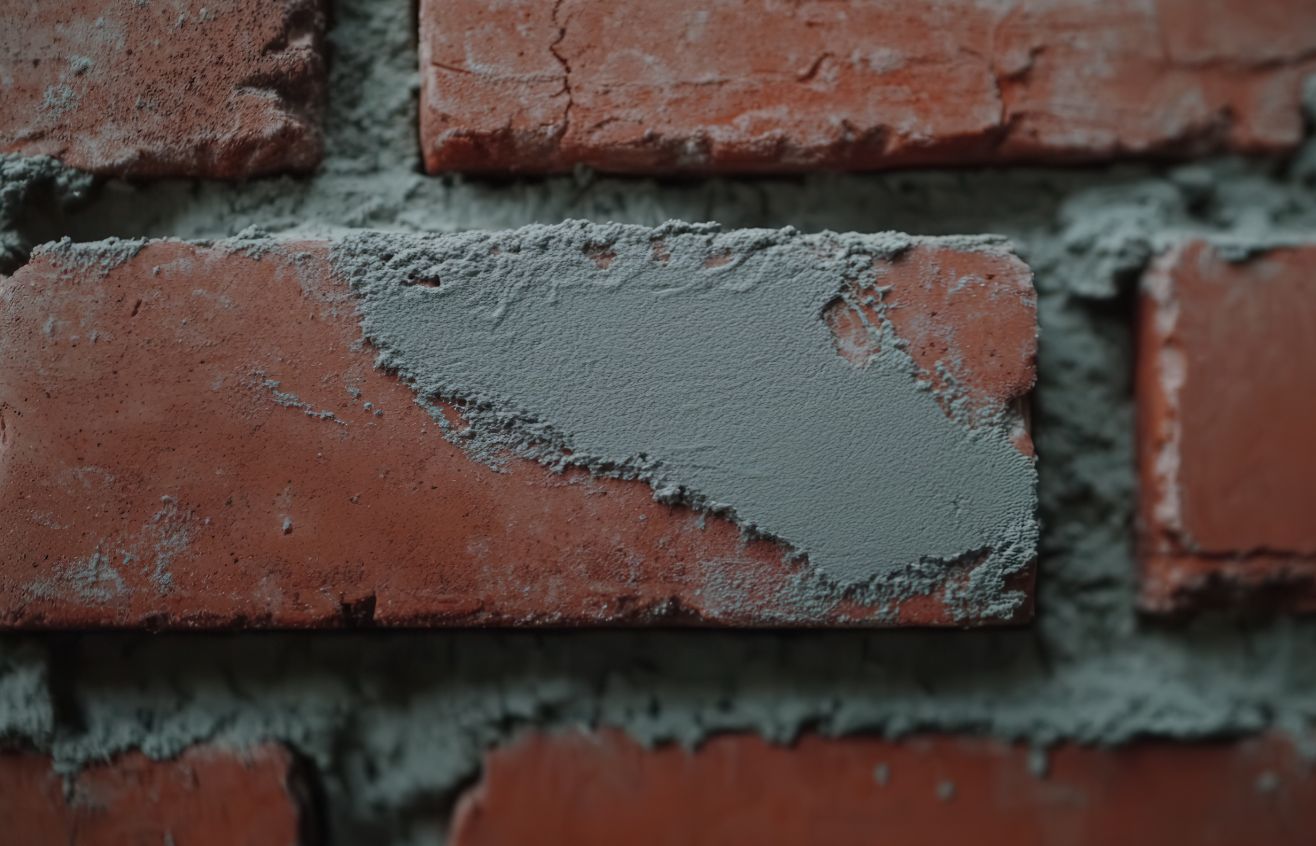
Crumbling Mortar Joints
Mortar naturally deteriorates over time, especially when exposed to Ontario's freeze-thaw cycles.
When the mortar begins cracking or falling out between bricks, repointing can remove the damaged mortar and replace it with new material.
A Few Damaged or Spalling Bricks
Spalling occurs when the surface of a brick begins flaking, cracking or breaking apart.
If the damage is isolated to only a few bricks, those bricks can often be removed and replaced without rebuilding the entire chimney.
Cracks in the Chimney Crown
The chimney crown helps prevent water from entering the masonry below.
Small cracks can often be repaired or sealed before water penetration causes more serious damage.
Minor Water Damage
Water is one of the biggest causes of chimney deterioration.
If water infiltration is caught early, repairing damaged mortar, flashing or the chimney crown may prevent the need for more extensive work.
When Does a Chimney Need to Be Rebuilt?
A chimney rebuild becomes necessary when deterioration affects a large portion of the structure or when the chimney is no longer structurally secure.
During a chimney rebuild, damaged sections are carefully removed and reconstructed using new brick and mortar.
Depending on the condition of the chimney, the rebuild may involve only the upper portion or the entire structure.
Signs Your Chimney May Need Rebuilding
Large Areas of Crumbling Brick
When significant portions of the chimney have deteriorated, replacing individual bricks may no longer be practical.
Widespread spalling can indicate that moisture has penetrated deeply into the masonry.
Leaning or Shifting Chimney
A chimney that appears to be leaning, separating from the home or visibly shifting should be inspected as soon as possible.
Movement can indicate structural problems that may require rebuilding rather than surface repairs.
Severe Mortar Deterioration
If mortar joints throughout the chimney are deeply recessed or crumbling, the structure may no longer have the support it needs.
In some cases, repointing can solve the problem. If deterioration has progressed too far, rebuilding may be necessary.
Repeated Chimney Repairs
If the same chimney requires repairs year after year, the underlying masonry may have reached the end of its usable life.
A rebuild can sometimes be more economical than continuing to repair individual problems.
Extensive Water Damage
Long-term moisture exposure can damage brick, mortar and the internal structure of the chimney.
Once the masonry becomes heavily saturated and begins deteriorating throughout the chimney, rebuilding may be the safest option.
Chimney Repair vs. Rebuild: Which Is More Cost-Effective?
Repairing a chimney is typically less expensive than rebuilding it, which is why identifying damage early is so important.
Small problems such as deteriorating mortar or cracked bricks can often be addressed before they spread.
However, continuing to patch a severely damaged chimney can become expensive over time.
A professional masonry inspection can determine whether repairing the existing chimney will provide a long-term solution or whether rebuilding will ultimately provide better value.
Why Chimneys Deteriorate So Quickly in Ontario
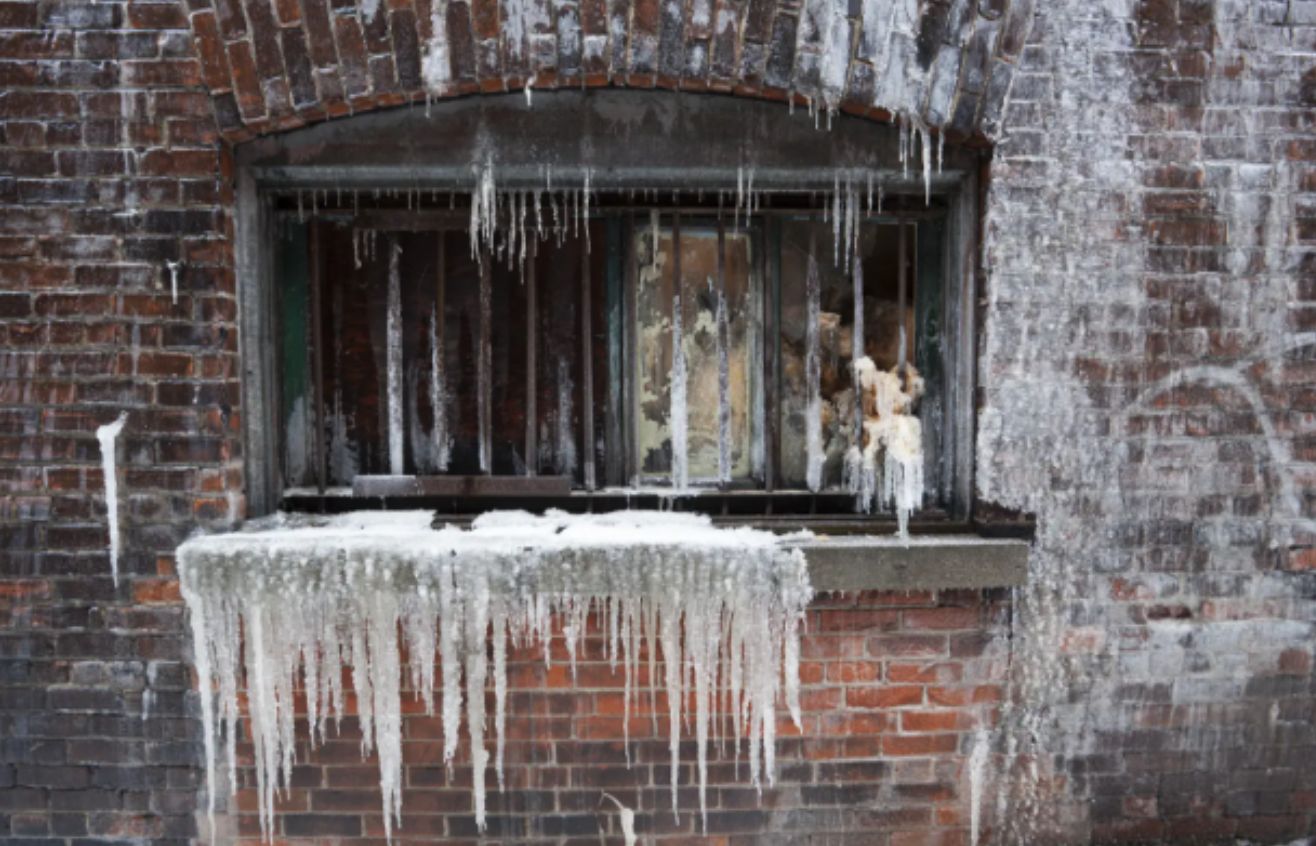
Chimneys are constantly exposed to rain, snow, ice and changing temperatures.
Ontario's freeze-thaw cycle is particularly hard on masonry.
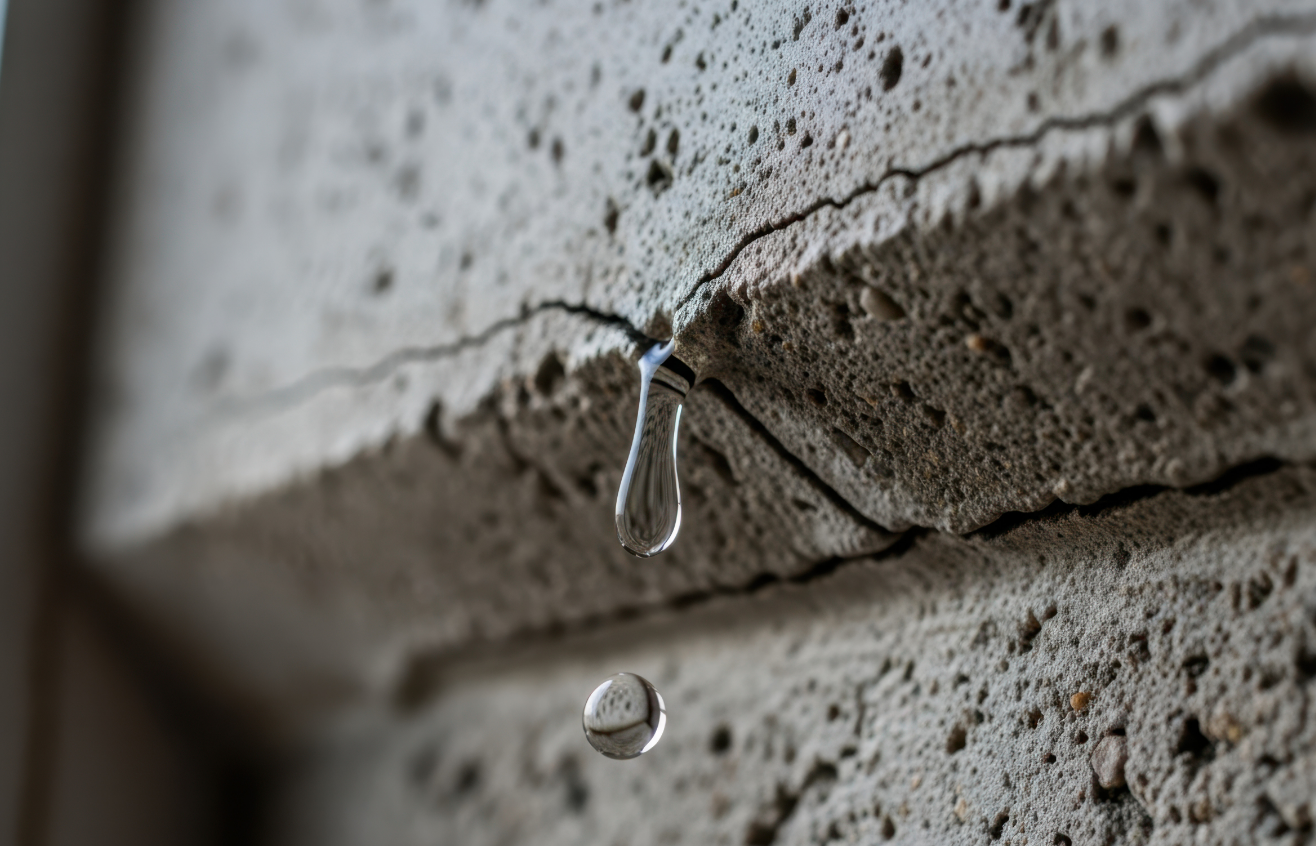
When moisture enters small cracks in brick or mortar and freezes, it expands. As temperatures rise, the ice melts and contracts.
Repeating this process throughout the winter gradually enlarges cracks and weakens the masonry.
Common causes of chimney damage include:
- Freeze-thaw cycles
- Water penetration
- Poor drainage
- Damaged chimney crowns
- Failing flashing
- Aging mortar
- Previous improper repairs
Keeping water out of the masonry is one of the most effective ways to extend the lifespan of a chimney.
Can You Repair Only the Top of a Chimney?
Yes.
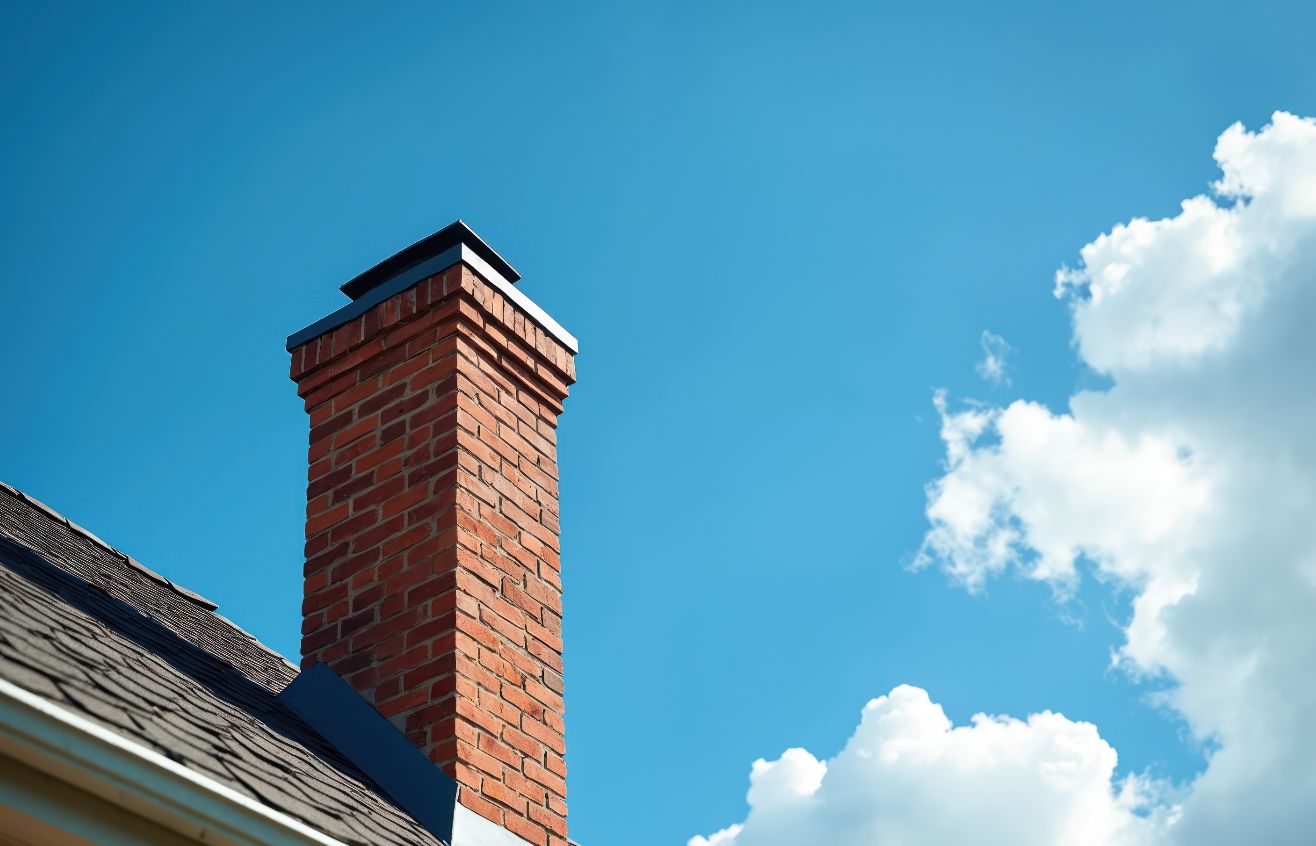
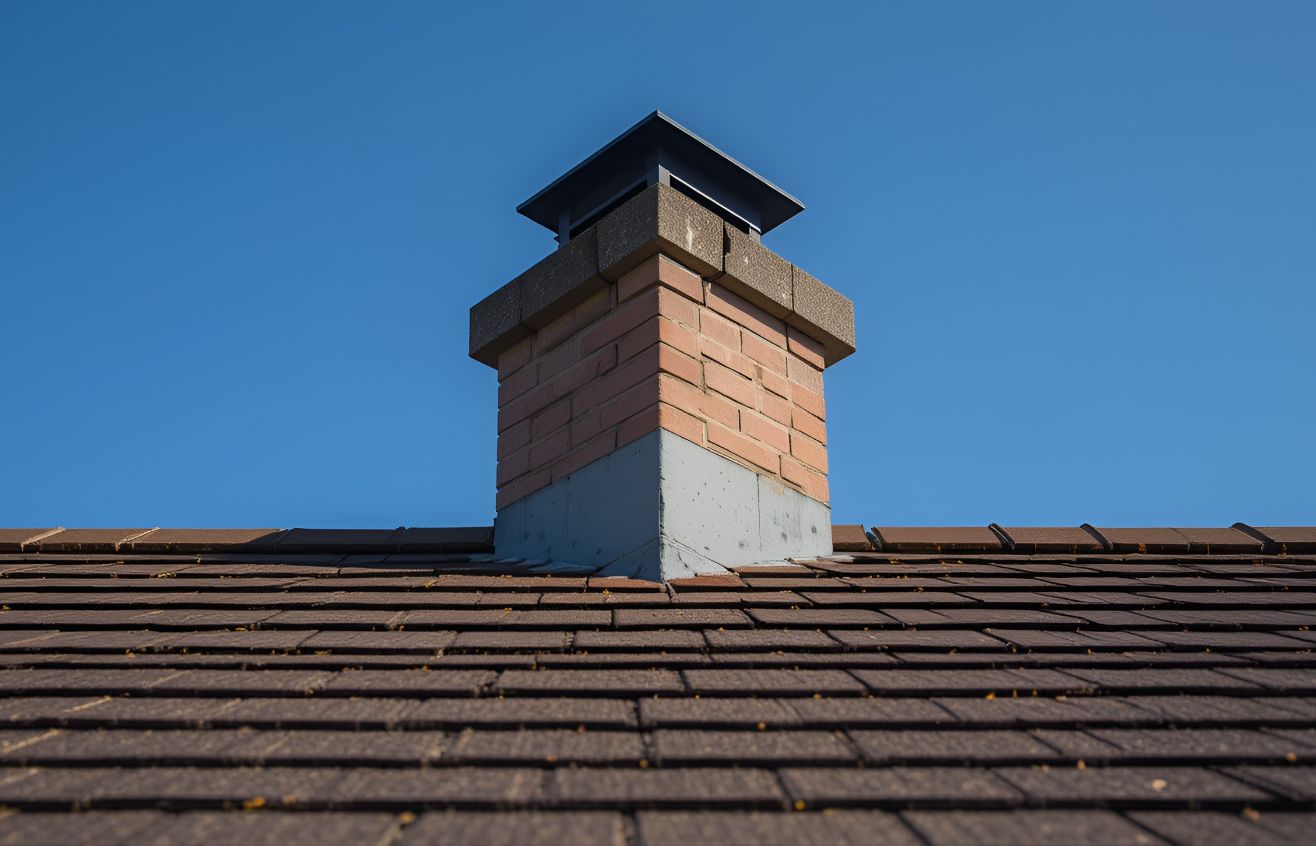
Many chimneys experience the most significant deterioration above the roofline because this portion receives the greatest exposure to weather.
If the lower section remains structurally sound, a masonry contractor may recommend rebuilding only the damaged upper portion.
This is commonly referred to as a partial chimney rebuild.
It can provide a long-term solution without requiring the entire chimney to be removed.
How Long Should a Chimney Last?
A properly constructed and maintained masonry chimney can last for decades.
However, its lifespan depends heavily on:
- Quality of the original construction
- Type of brick and mortar used
- Exposure to moisture
- Previous repairs
- Maintenance
- Local weather conditions
Regular inspections and early repairs can significantly extend the lifespan of your chimney.
Do Not Ignore Early Chimney Damage
Chimney problems rarely improve on their own.
Small cracks can allow water into the masonry, which can gradually lead to damaged mortar, spalling bricks and structural deterioration.
Addressing repairs early can often prevent a small masonry problem from becoming a complete chimney rebuild.
Chimney Repair and Rebuilding in Barrie and Surrounding Areas
If you notice cracked bricks, deteriorating mortar, a damaged chimney crown or other signs of masonry deterioration, Chameleon Masonry can assess the condition of your chimney and recommend the appropriate repair.
Our team provides professional chimney repair and rebuilding services throughout Barrie and surrounding communities.
Whether your chimney requires targeted masonry repairs, repointing or a partial or complete rebuild, we can help restore the structure and protect your home from further damage.
Contact Chameleon Masonry today to request a quote for chimney repair or chimney rebuilding.
.png)
.png)
.png)



.png)
.png)


.png)
.png)





.jpg)
.jpg)
.jpg)
.jpg)
.jpg)
.jpg)
.jpg)
.jpg)
.jpg)
.jpg)
.jpg)
.jpg)
.jpg)
.jpg)
.jpg)
.jpg)
.jpg)
.jpg)
.jpg)
.jpg)
.jpg)
.jpg)
.jpg)
.jpg)
.jpg)
.jpg)
.jpg)
.jpg)
.jpg)
.jpg)
.jpg)
.jpg)
.jpg)

Contact Us For A Free Consultation
Have questions or ready to start your masonry restoration project? Our dedicated team of masonry experts are here to help. Whether you’re exploring historical restoration, custom masonry modifications, or need expert brick repair, we’re just a call or click away.