Chimney Repair in Vaughan and North York: What Homeowners Need to Know
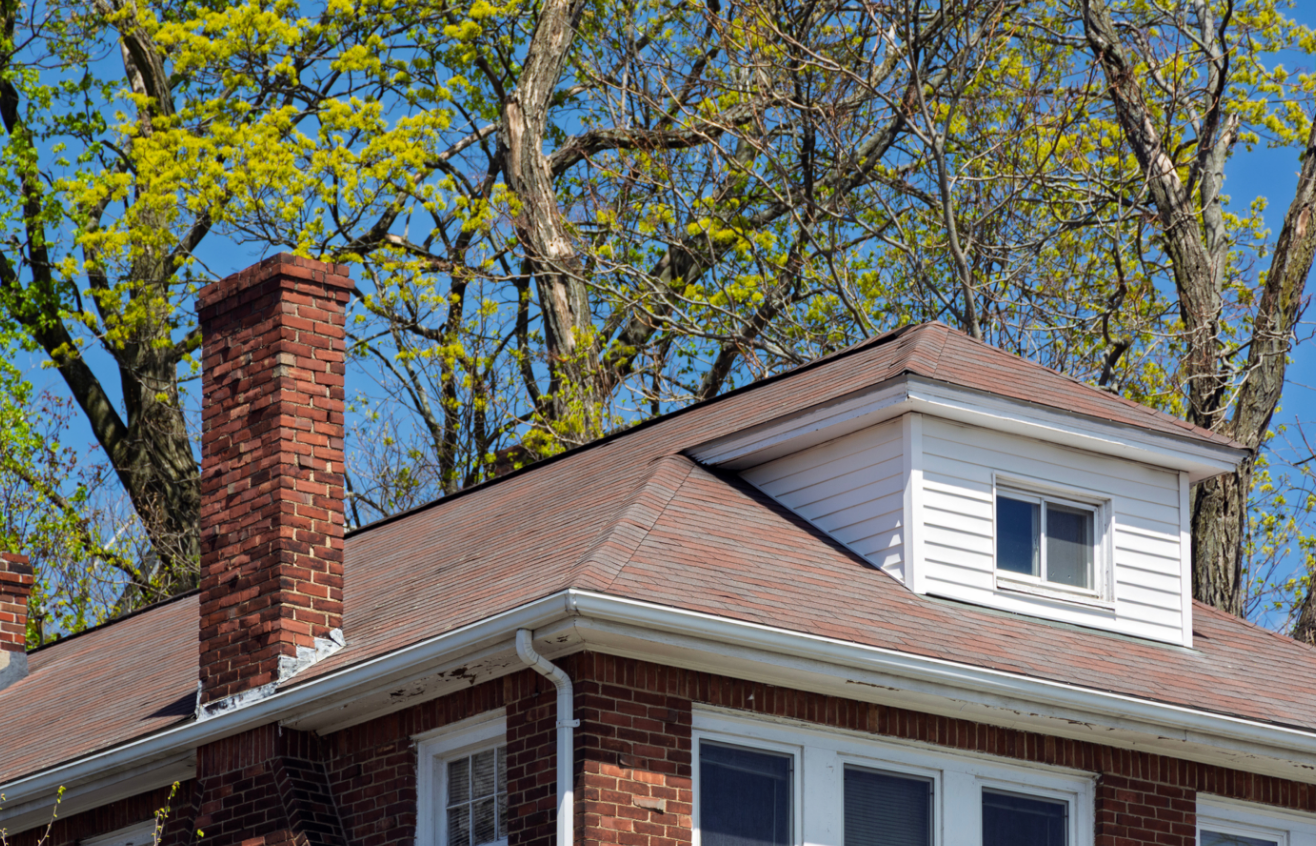
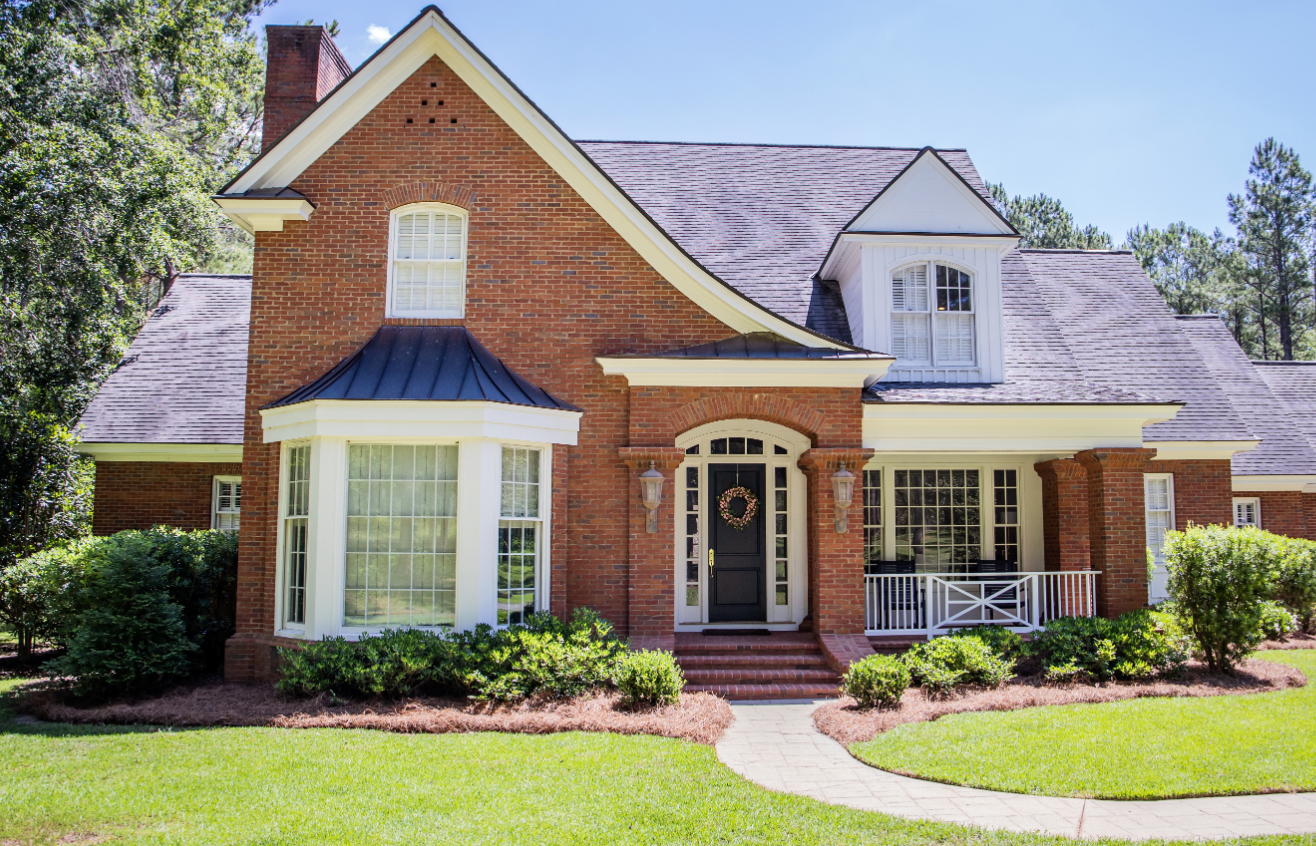
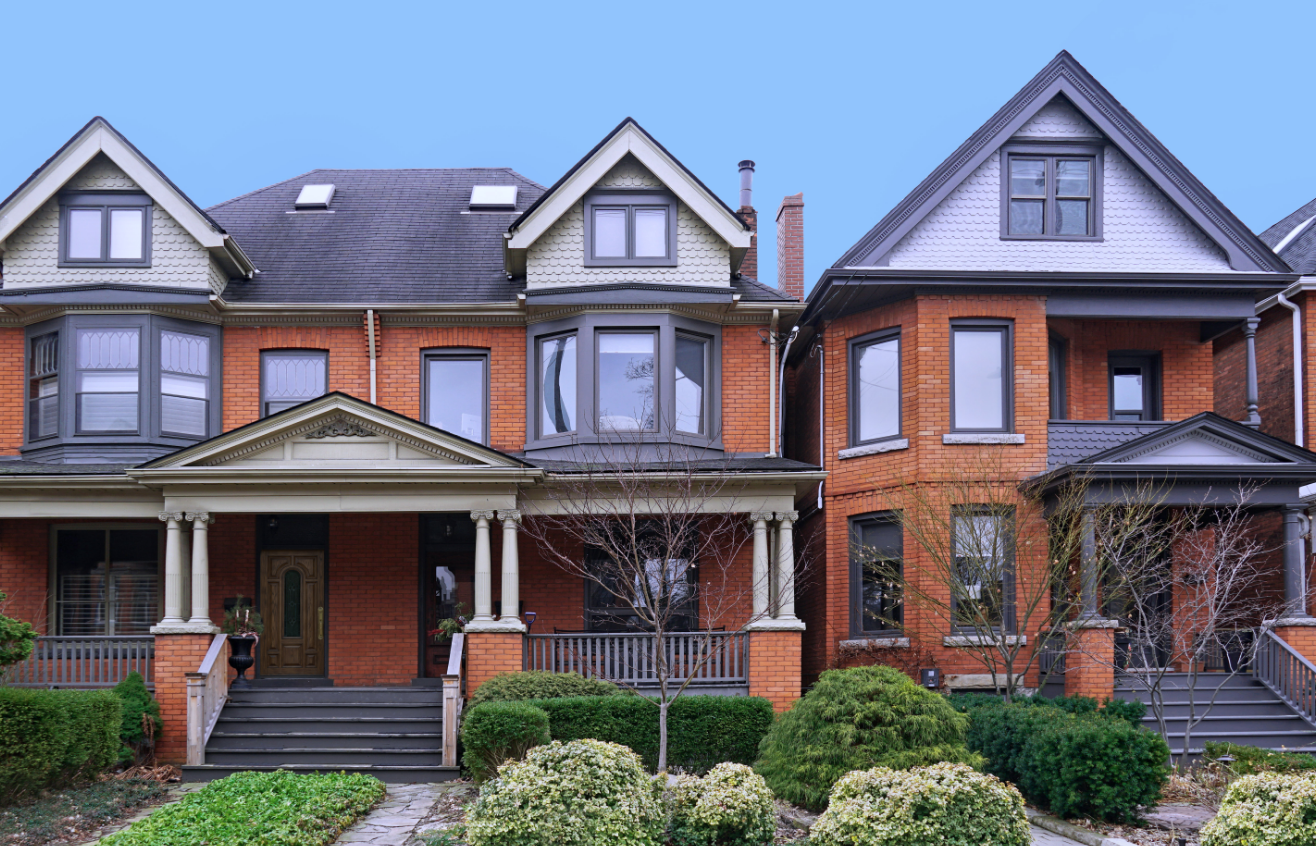
Drive through the older streets of North York or the established neighbourhoods of Vaughan and you'll see them on nearly every roofline: brick chimneys that have been standing since the homes were built. In North York, that often means postwar bungalows and side-splits from the 1950s and 60s. In Woodbridge, Thornhill, and Maple, it ranges from older farmhouse-era masonry to solid brick homes built through the 70s and 80s.
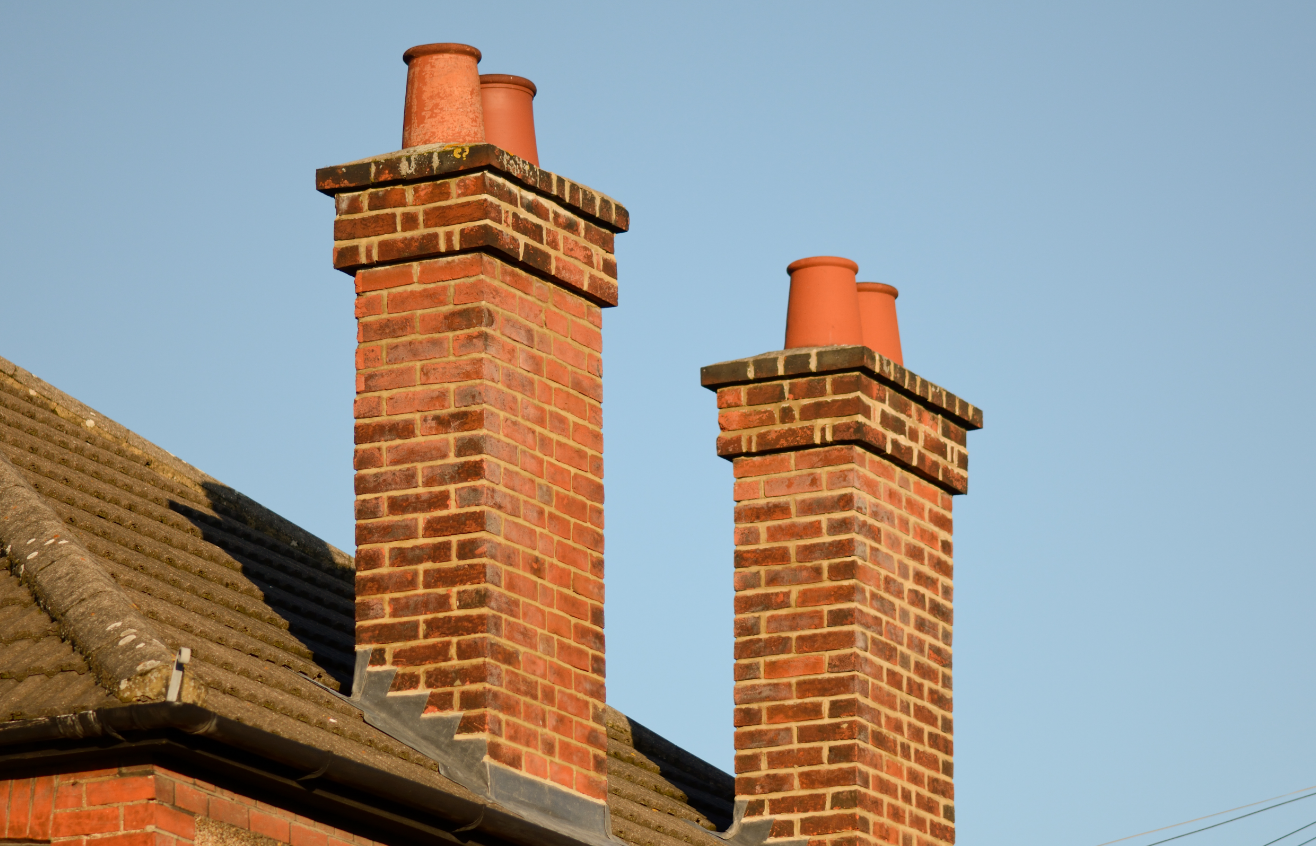
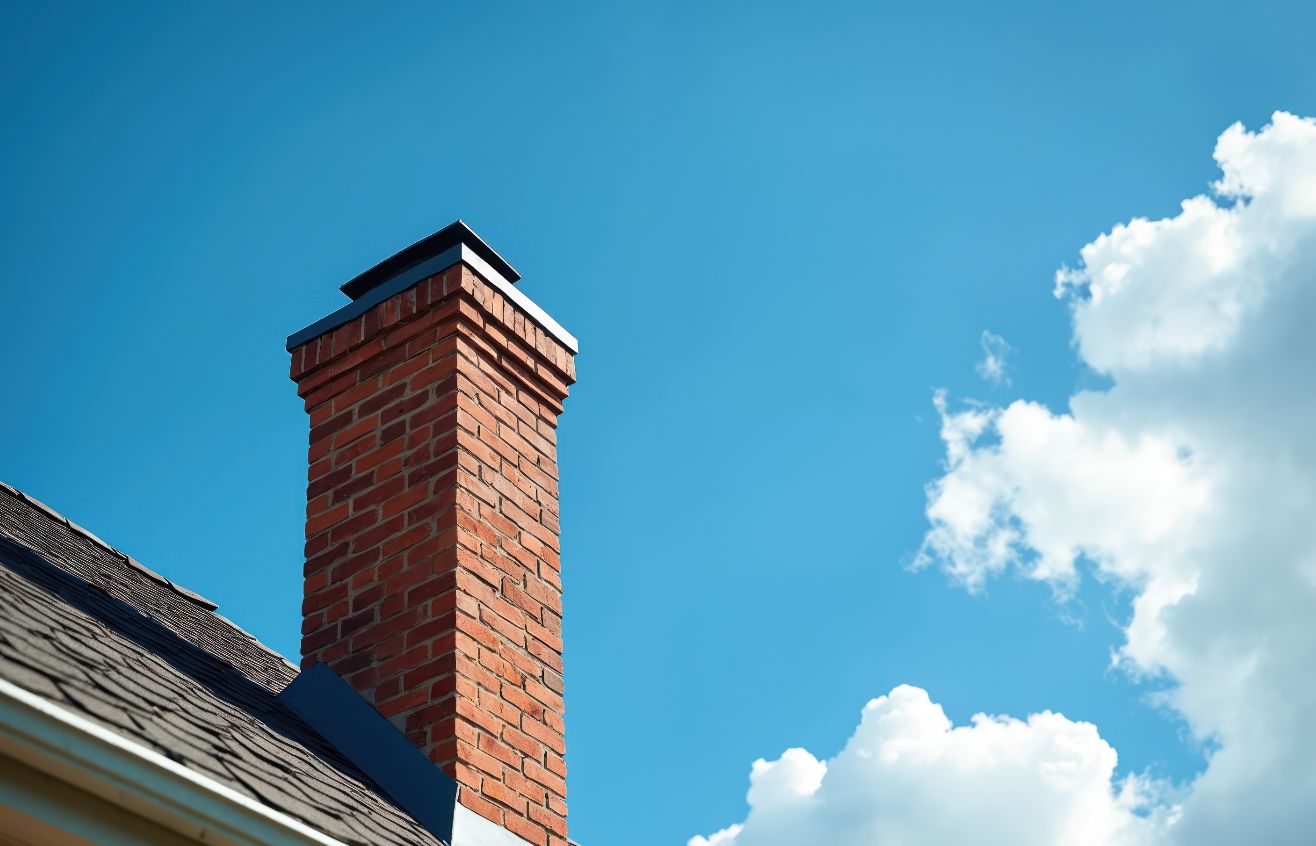
Here's the thing about those chimneys. Many of them are now 40, 50, even 70 years old, and the chimney is the single most exposed piece of masonry on any home. It takes weather from all four sides, sits directly in the path of freeze-thaw cycles, and deals with heat and moisture from the inside too. It's usually the first masonry on a house to show its age, and one of the most important to fix properly.
Why Chimneys Fail Before the Rest of the House
The brick walls of your home are protected by overhangs, gutters, and the sheer mass of the structure around them. Your chimney has none of that. It stands alone above the roofline where rain, snow, and wind hit it constantly, and where winter temperature swings are most extreme.
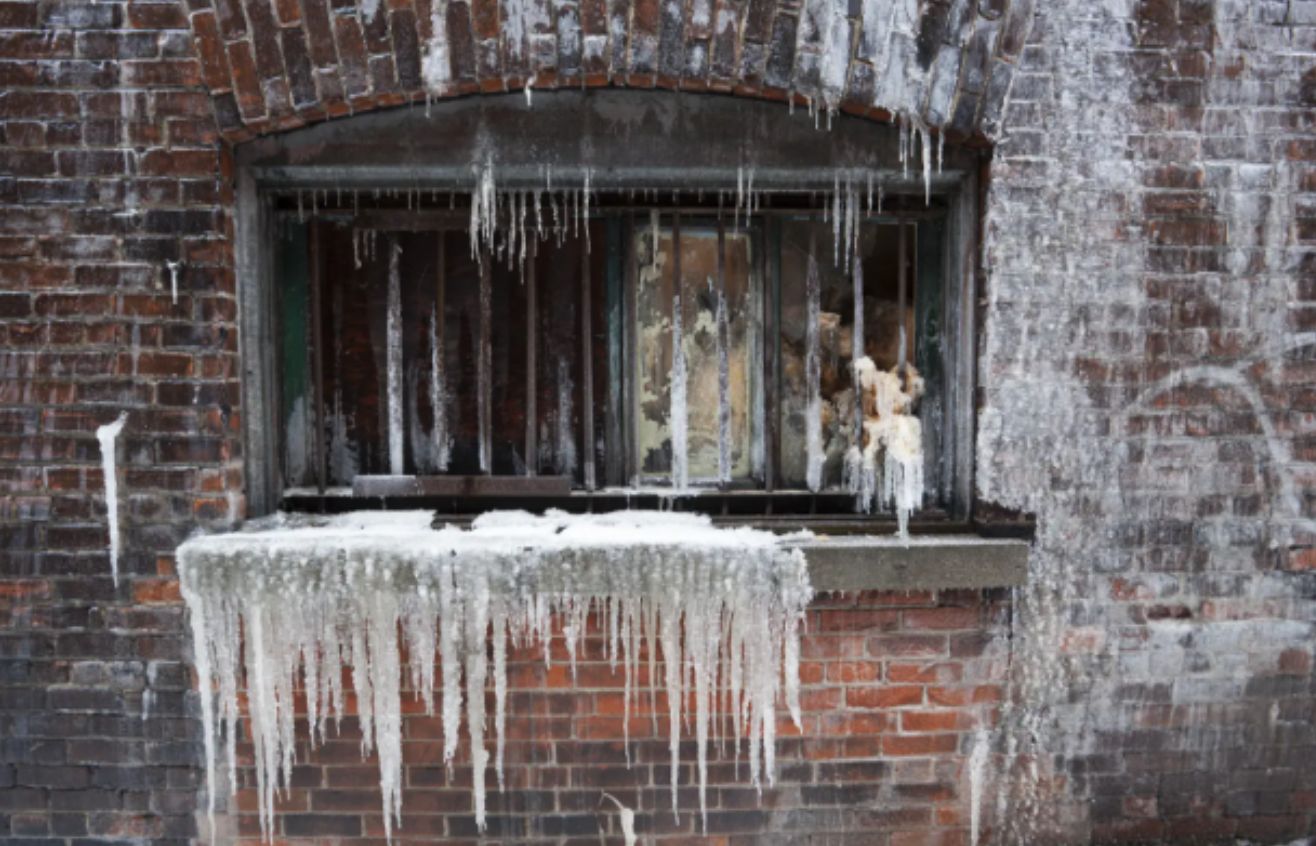
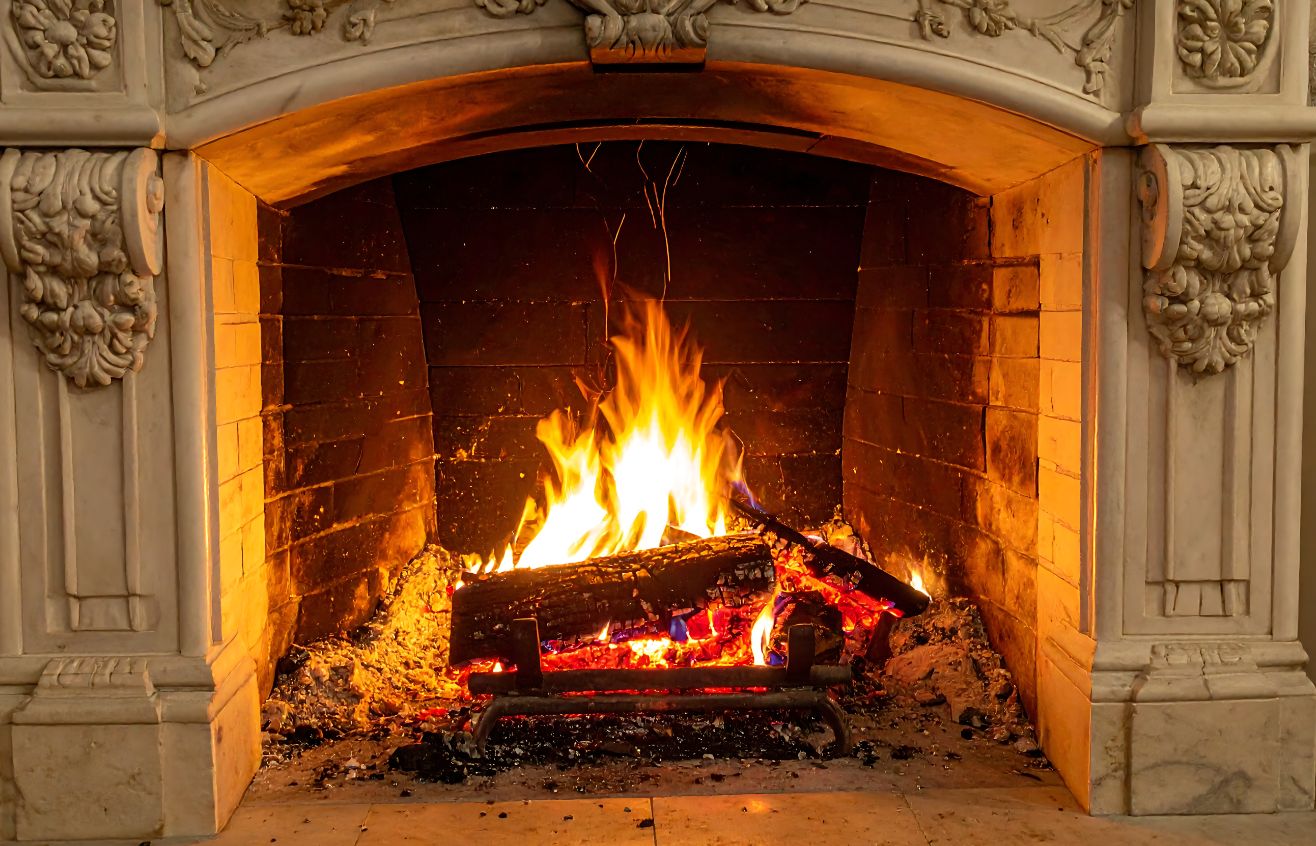
There's also an internal factor most homeowners never think about. Every time your furnace or fireplace runs, warm moist air travels up the flue. When that moisture meets cold brick in January, it condenses and soaks in. Then it freezes. Season after season, this inside-out moisture cycle breaks down mortar joints and brick faces even on chimneys that look fine from the ground.
The Warning Signs to Watch For
Most chimney problems are visible if you know what to look for. Grab a pair of binoculars, or check the attic and the area around the fireplace, and watch for:
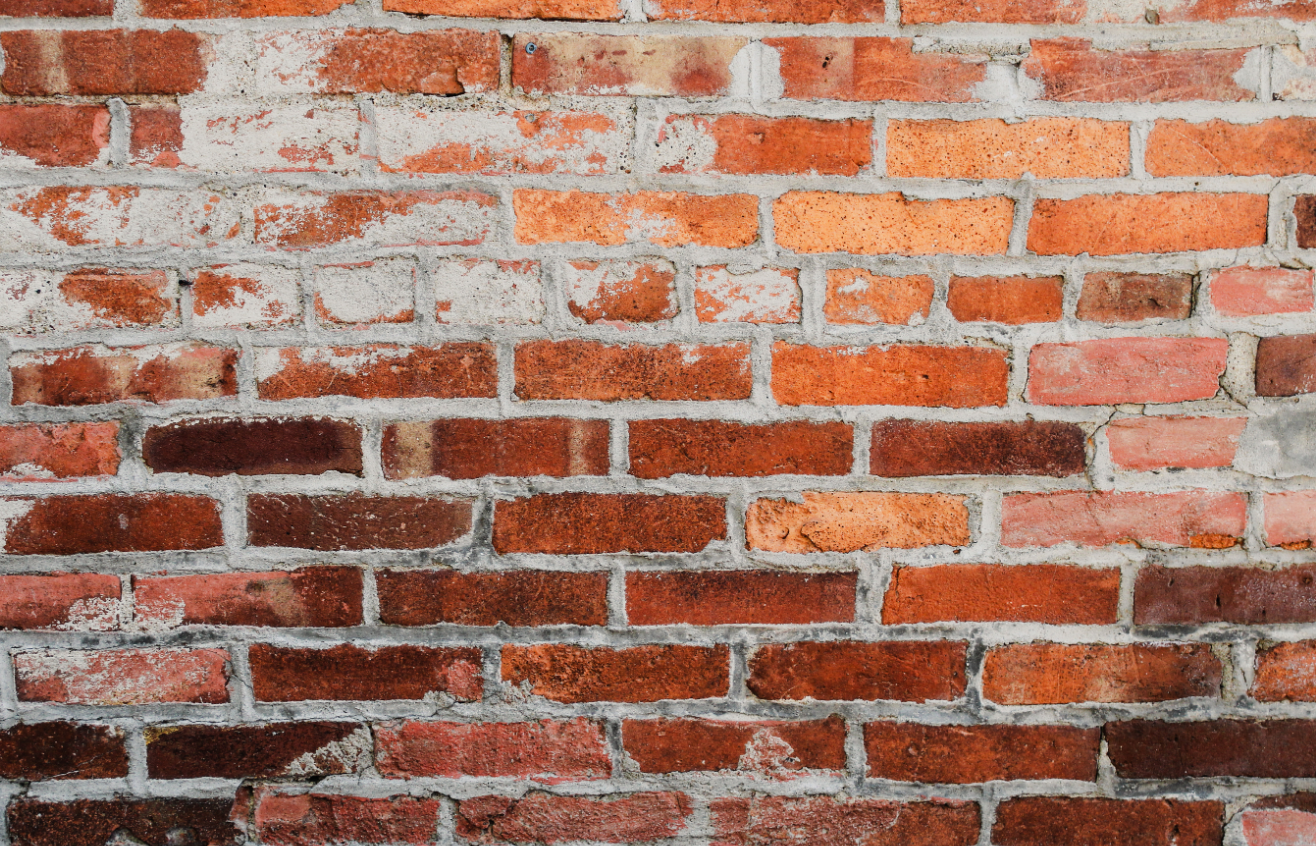
Crumbling or missing mortar joints. Gaps between bricks near the top of the chimney are the most common issue we see across Vaughan and North York. This is what chimney repointing addresses, and catching it early is the difference between a straightforward repair and a rebuild.
Spalling brick. Flaking or popping brick faces, often with brick fragments landing on the roof or in the eavestrough, mean moisture has gotten inside the brick itself.
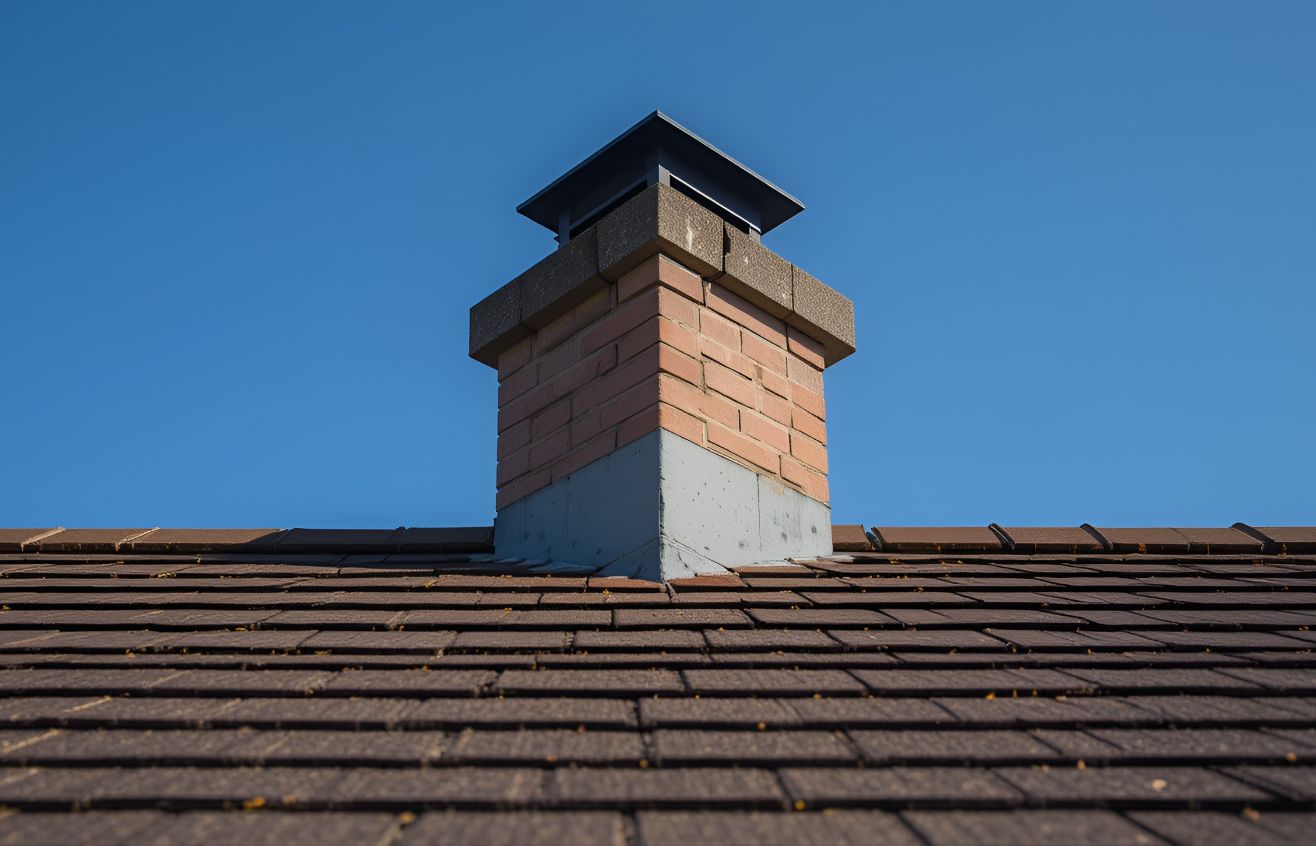
A damaged crown. The concrete cap at the top of the chimney sheds water away from the flue. Cracked crowns funnel water directly into the chimney's core, and crown damage is behind a huge share of the serious deterioration we're called in to fix.
White staining. Efflorescence on the chimney's exterior means water is moving through the masonry and carrying salts with it.
Rust on the damper or firebox. Rust inside means water is getting in from above.
A leaning or tilting stack. Any visible lean is a structural issue and a safety concern for your roof and everything below it. This one shouldn't wait.
Repointing: The Repair That Saves Chimneys
For most aging chimneys in Vaughan and North York, the right intervention is chimney repointing: carefully removing the deteriorated mortar to the proper depth and repacking the joints with fresh mortar matched to the original in strength and colour.
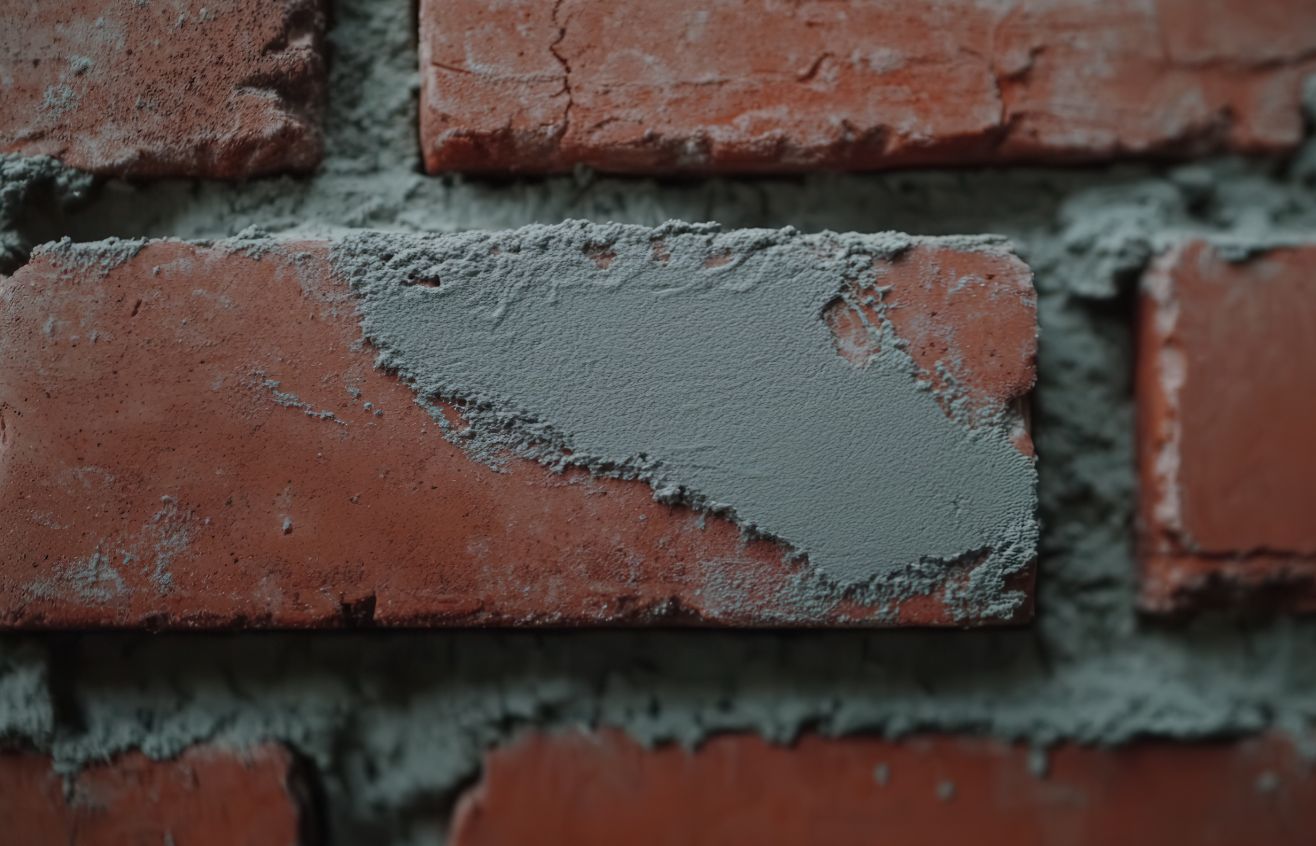
Done correctly, repointing restores the chimney's weather seal and can add decades to its life. Done poorly, with hard modern cement smeared over soft older joints, it traps moisture and accelerates the very damage it was supposed to stop. This matters most on older solid-brick homes in areas like Willowdale or older Woodbridge, where the original brick is softer than anything produced today.
The masonry rule of thumb applies doubly to chimneys: mortar is meant to be the sacrificial element. When repairs make the mortar harder than the brick, the brick starts sacrificing itself instead, and brick is far more expensive to lose.
When Repair Becomes Rebuild
If deterioration has gone too far, the top courses of the chimney may need to be dismantled and rebuilt. This sounds dramatic, but a partial rebuild above the roofline is routine work for an experienced masonry contractor, and it's the correct call when bricks have cracked through, the stack has shifted, or previous patch jobs have failed repeatedly.
A proper rebuild reuses sound original brick where possible and matches new brick carefully so the repaired chimney doesn't stand out from the streetscape. On older homes, that matching work is where a restoration-focused mason earns their keep.
Don't Confuse Masonry Repair with Chimney Sweeping
One point of frequent confusion: chimney sweeps and masonry contractors do different jobs. A sweep cleans the flue and handles creosote and blockages. A mason repairs the structure itself, the brick, mortar, crown, and stack. If your chimney has visible deterioration, a cleaning won't address it, and most sweep companies don't perform structural masonry work. For brick and mortar problems, you want a masonry chimney repair specialist.
The Best Time to Act Is Before Winter
Every open joint and hairline crack going into December becomes a wider one by March. Ontario's freeze-thaw cycles do their worst damage to chimneys that entered the season already compromised. If you've spotted any of the warning signs above, a professional assessment in the warmer months gives you time to plan the repair properly instead of dealing with an emergency in February.
Chameleon Masonry provides expert chimney repair, repointing, and rebuilding for homeowners across Vaughan, North York, Toronto, Markham, Newmarket, and throughout Barrie and Simcoe County. If your chimney is showing its age, contact us for an honest assessment from masons who specialize in doing the job right the first time.
.png)
.png)
.png)


.png)
.png)


.png)
.png)





.jpg)
.jpg)
.jpg)
.jpg)
.jpg)
.jpg)
.jpg)
.jpg)
.jpg)
.jpg)
.jpg)
.jpg)
.jpg)
.jpg)
.jpg)
.jpg)
.jpg)
.jpg)
.jpg)
.jpg)
.jpg)
.jpg)
.jpg)
.jpg)
.jpg)
.jpg)
.jpg)
.jpg)
.jpg)
.jpg)
.jpg)
.jpg)
.jpg)

Contact Us For A Free Consultation
Have questions or ready to start your masonry restoration project? Our dedicated team of masonry experts are here to help. Whether you’re exploring historical restoration, custom masonry modifications, or need expert brick repair, we’re just a call or click away.