Masonry Repair for Older Toronto and GTA Homes: What Every Owner Should Know
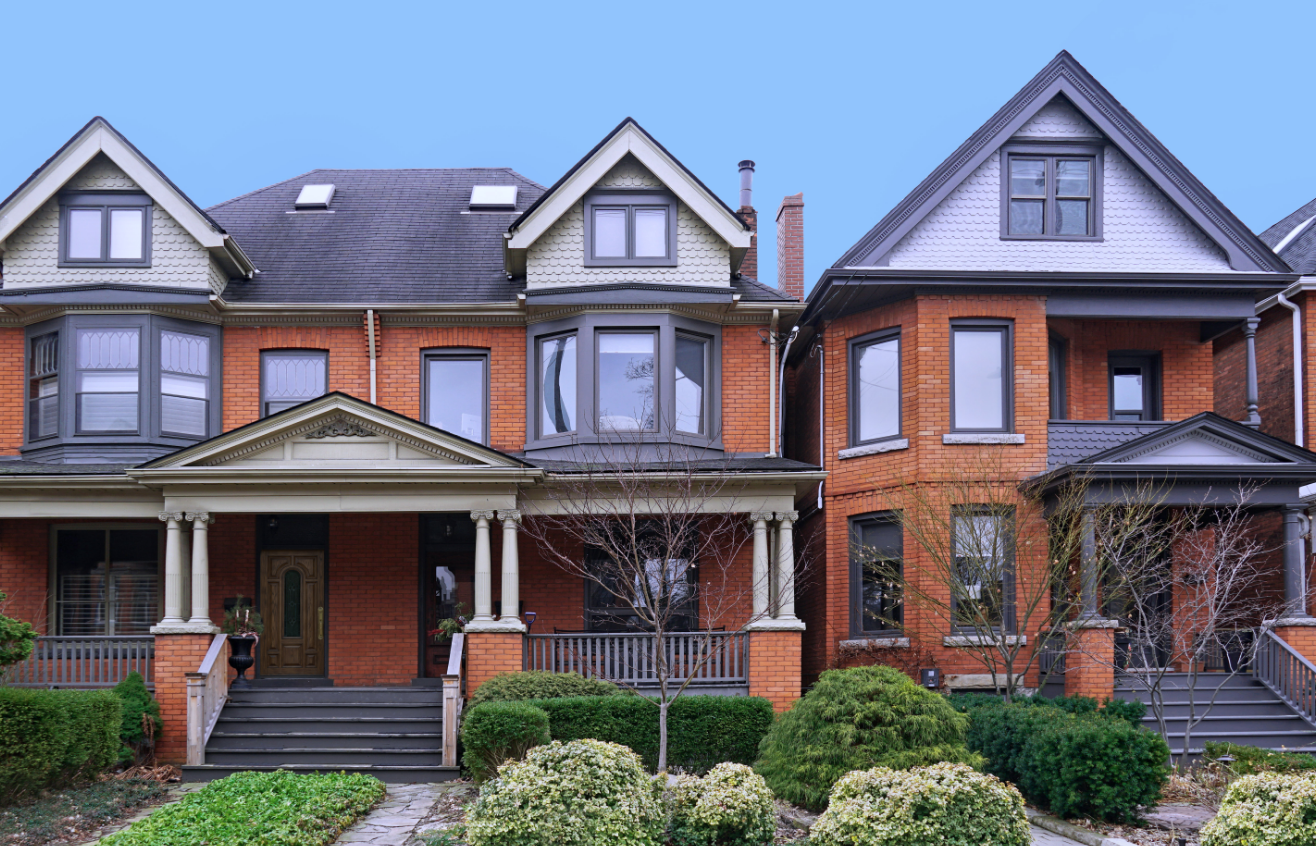
There's a reason people fall in love with older homes in Toronto and the surrounding GTA. The character of a century brick Victorian in Riverdale, a 1920s Tudor in Vaughan, or a heritage storefront in Newmarket is nearly impossible to replicate with new construction. But that character comes with responsibility. The brick, stone, and mortar holding these homes together have been standing up to Ontario weather for 80, 100, sometimes 150 years, and they need a different kind of care than modern masonry.
If you own an older home in the GTA, understanding how aging masonry behaves is one of the best things you can do to protect your investment. Here's what to watch for and why repairs on older buildings should never be treated like repairs on new ones.
Why Older Masonry Is Different
Homes built before the 1940s were typically constructed with soft, lime-based mortar and locally fired clay brick. Both materials are more porous and more flexible than their modern counterparts. That flexibility is actually a feature. Lime mortar allows the wall to breathe, releasing moisture and accommodating the small seasonal movements every building experiences.
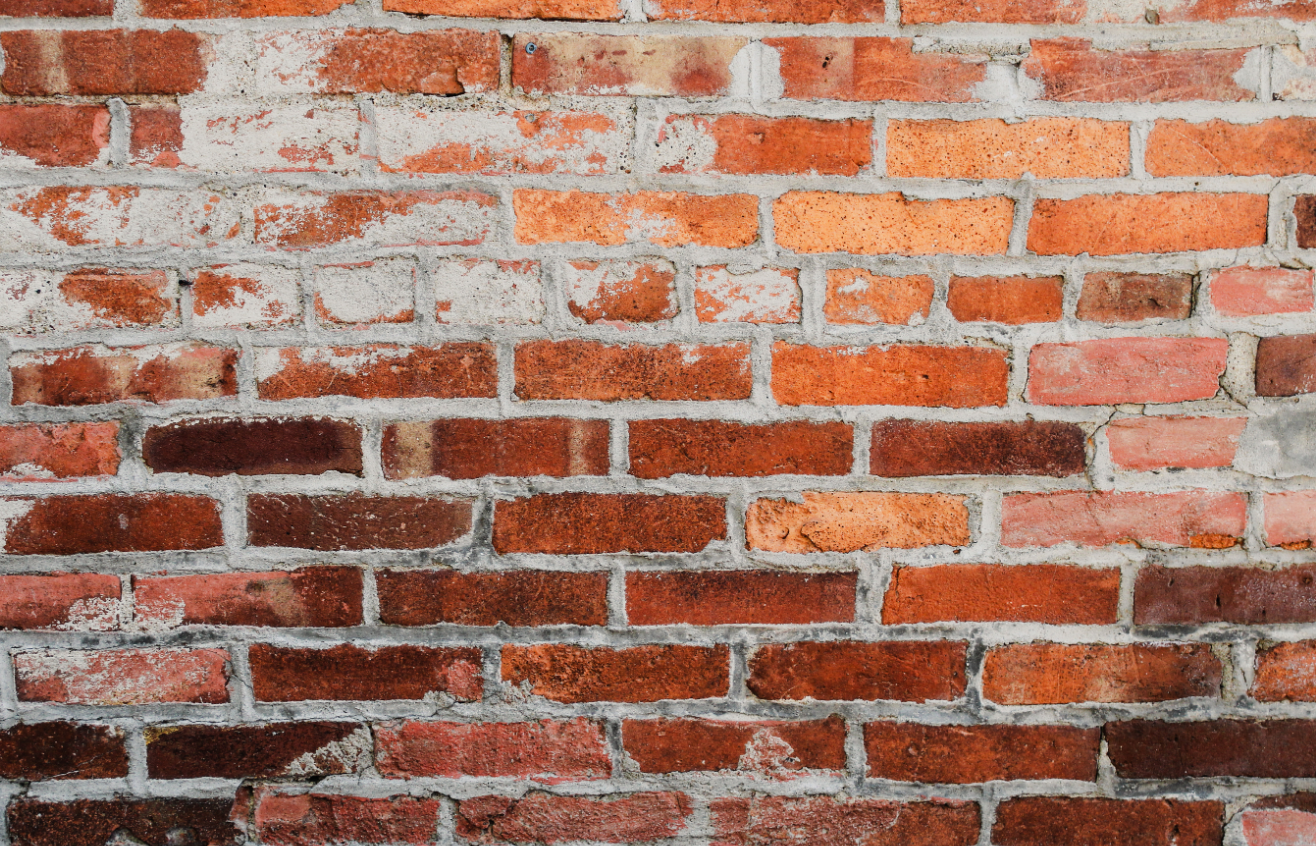
The trouble starts when older masonry is repaired with the wrong materials. Modern Portland cement mortar is much harder than heritage brick. When hard mortar is packed into the joints of a soft brick wall, moisture gets trapped and the brick itself becomes the weakest point. Instead of the mortar sacrificing itself over time, which is how the system is designed to work, the faces of the bricks begin to pop and crumble. Masons call this spalling, and once it starts, it accelerates.
This is the single most common problem we see in older Toronto homes: well-intentioned past repairs done with incompatible materials that end up causing more damage than they prevented.
The Warning Signs Worth Taking Seriously
Older masonry rarely fails overnight. It sends signals, sometimes for years, before problems become structural. Keep an eye out for:
Crumbling or receding mortar joints. If you can scrape mortar out of a joint with a key or see gaps where mortar used to be, water is already finding its way in.
Spalling brick faces. Flaking, popping, or crumbling brick surfaces usually point to trapped moisture, often from previous cement-based repairs or failed drainage.
Step cracks. Cracks that follow the mortar joints in a staircase pattern often indicate foundation movement or settling. Small hairline cracks can be normal in a century home, but widening or spreading cracks deserve professional attention.
White staining on brick. This chalky residue, called efflorescence, is mineral salt left behind as water moves through the wall. It's a sign moisture is passing through the masonry.
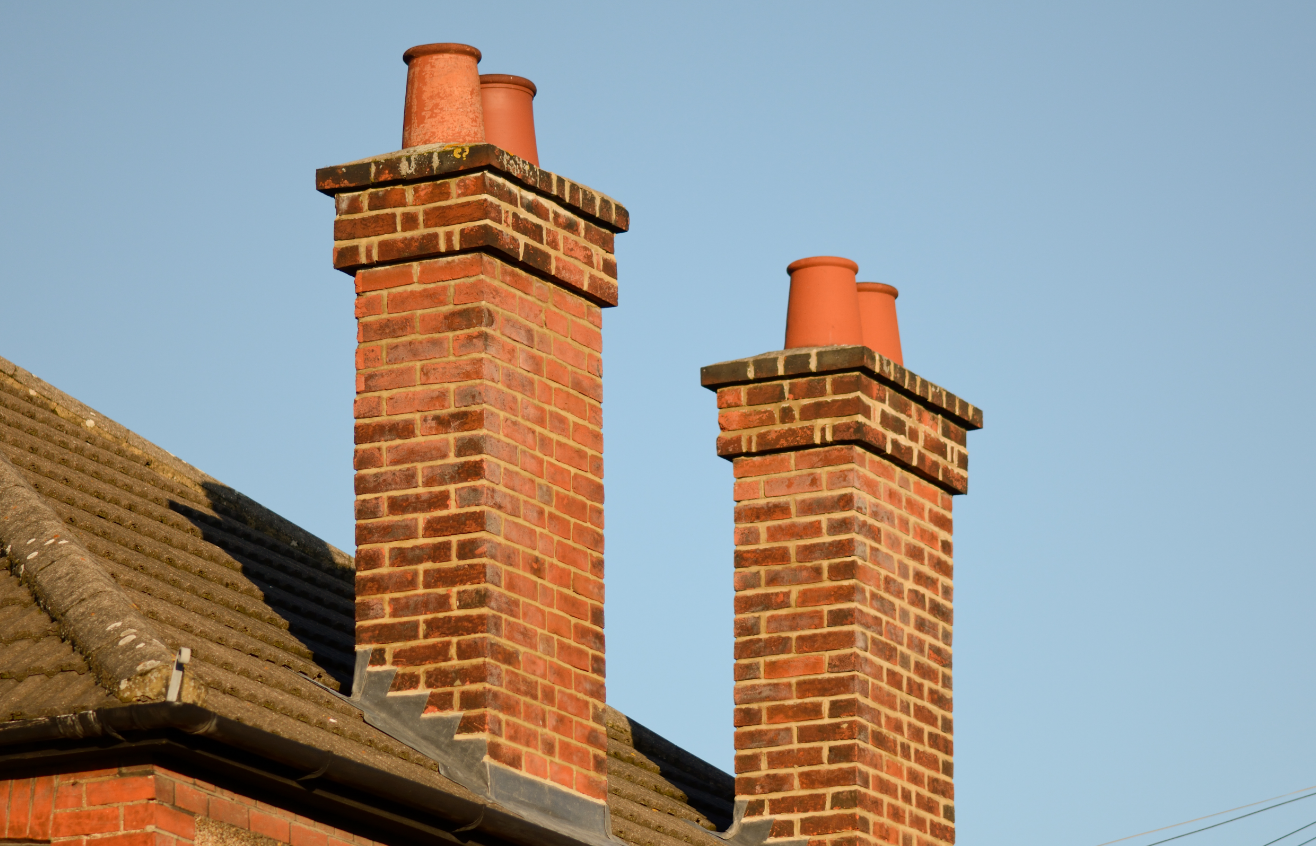
Bulging or leaning sections. Any visible movement in a wall, parapet, or chimney is a structural concern and should be assessed promptly.
Freeze-Thaw: The GTA's Toughest Test
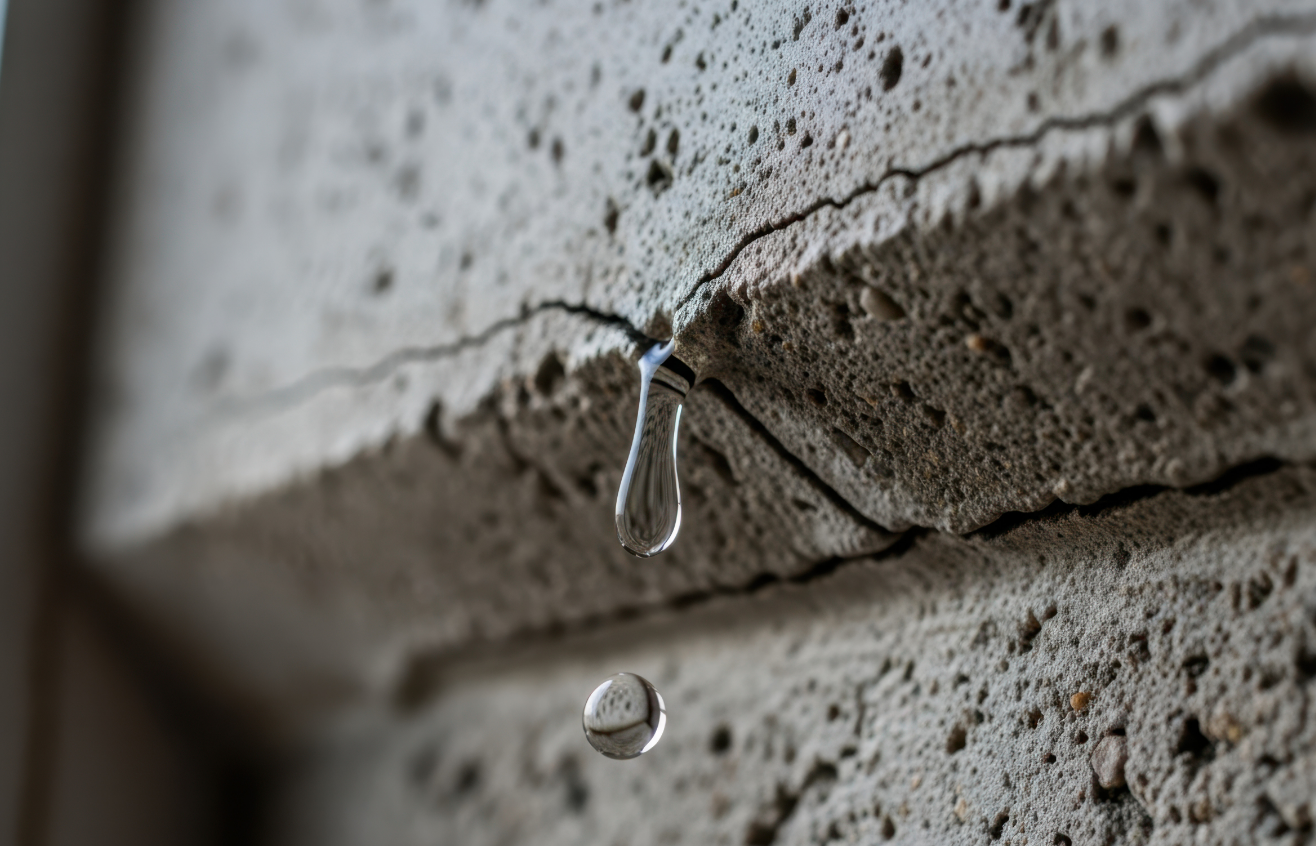
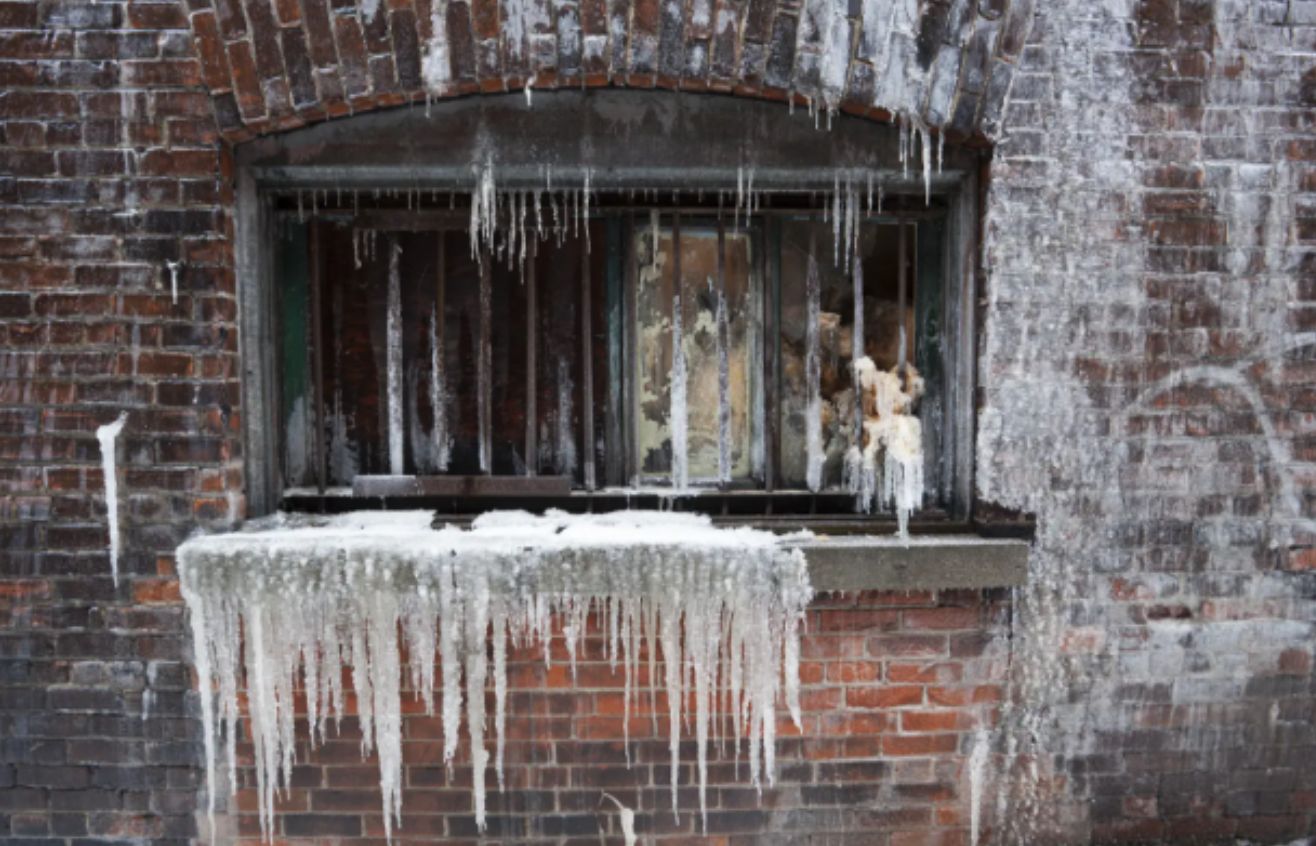
Southern Ontario winters are especially hard on masonry because our temperatures hover around the freezing mark for months. Water seeps into porous brick and open joints, freezes, expands, and pries the material apart. Then it thaws and the cycle repeats, sometimes dozens of times in a single winter.
For older homes, this makes fall the ideal time to address open joints, cracked bricks, and failing sills. Sealing up the envelope before winter prevents a small repair from becoming a spring rebuild.
Repair Approaches That Respect the Building
Proper repair of older masonry is as much about restraint as it is about skill. A qualified restoration mason will:
Match the mortar. That means analyzing the existing mortar and mixing a compatible lime-based blend, matched in strength, colour, and joint profile. On a heritage home, mismatched mortar is visible from the street and harmful behind the surface.
Repoint, don't smear. Deteriorated joints should be carefully ground or raked out to the proper depth and repacked by hand. Smearing new mortar over old joints, sometimes called buttering, is a shortcut that fails quickly and looks worse.
Salvage original brick where possible. Original clay brick often can't be matched by modern production runs. A good mason will reuse sound original brick, source reclaimed brick from the same era, or turn existing bricks to expose an unweathered face.
Fix the moisture source first. Failed flashing, clogged weep holes, damaged downspouts, and grading problems are behind most masonry deterioration. Repairing the brick without solving the water problem just resets the clock.
Why This Matters for Your Home's Value
In neighbourhoods across Toronto, Markham, Vaughan, and Newmarket, original masonry is a major part of what buyers are paying for. Well-maintained heritage brickwork signals a cared-for home, while patchy, mismatched repairs raise red flags during inspections. Investing in proper restoration protects both the structure and the story of your home.
There's also a practical side. Small repointing projects handled early prevent the far more disruptive work of rebuilding wall sections, chimneys, or parapets later. With masonry, timing is everything.
When to Call a Professional
If you've noticed crumbling joints, spalling brick, step cracks, or staining on your older home, don't wait for the next winter to make things worse. A professional assessment will tell you what's cosmetic, what's urgent, and what can be planned for down the road.
Chameleon Masonry specializes in masonry restoration and repair for older and heritage homes across Toronto, Markham, Vaughan, Newmarket, and throughout Barrie and Simcoe County. If your home's brickwork is showing its age, contact us for an honest assessment and repair plan that respects the way your home was built.
.png)
.png)
.png)


.png)
.png)



.png)
.png)







.jpg)
.jpg)
.jpg)
.jpg)
.jpg)
.jpg)
.jpg)
.jpg)
.jpg)
.jpg)
.jpg)
.jpg)
.jpg)
.jpg)
.jpg)
.jpg)
.jpg)
.jpg)
.jpg)
.jpg)
.jpg)
.jpg)
.jpg)
.jpg)
.jpg)
.jpg)
.jpg)
.jpg)
.jpg)
.jpg)
.jpg)
.jpg)
.jpg)

Contact Us For A Free Consultation
Have questions or ready to start your masonry restoration project? Our dedicated team of masonry experts are here to help. Whether you’re exploring historical restoration, custom masonry modifications, or need expert brick repair, we’re just a call or click away.