.png)
What Winter Does to Brick Homes in Ontario
Brick homes are known for their durability, but Ontario winters can be especially hard on masonry.
Cold temperatures, snow, ice, moisture and repeated freeze-thaw cycles can slowly damage brick and mortar over time. In many cases, the earliest signs are easy to miss until the damage becomes more visible in spring.
Understanding how winter affects masonry can help homeowners catch problems early and prevent more extensive repairs.
Freeze-Thaw Cycles and Brick Damage
One of the biggest causes of winter masonry damage in Ontario is the freeze-thaw cycle.
Brick and mortar naturally absorb small amounts of moisture.
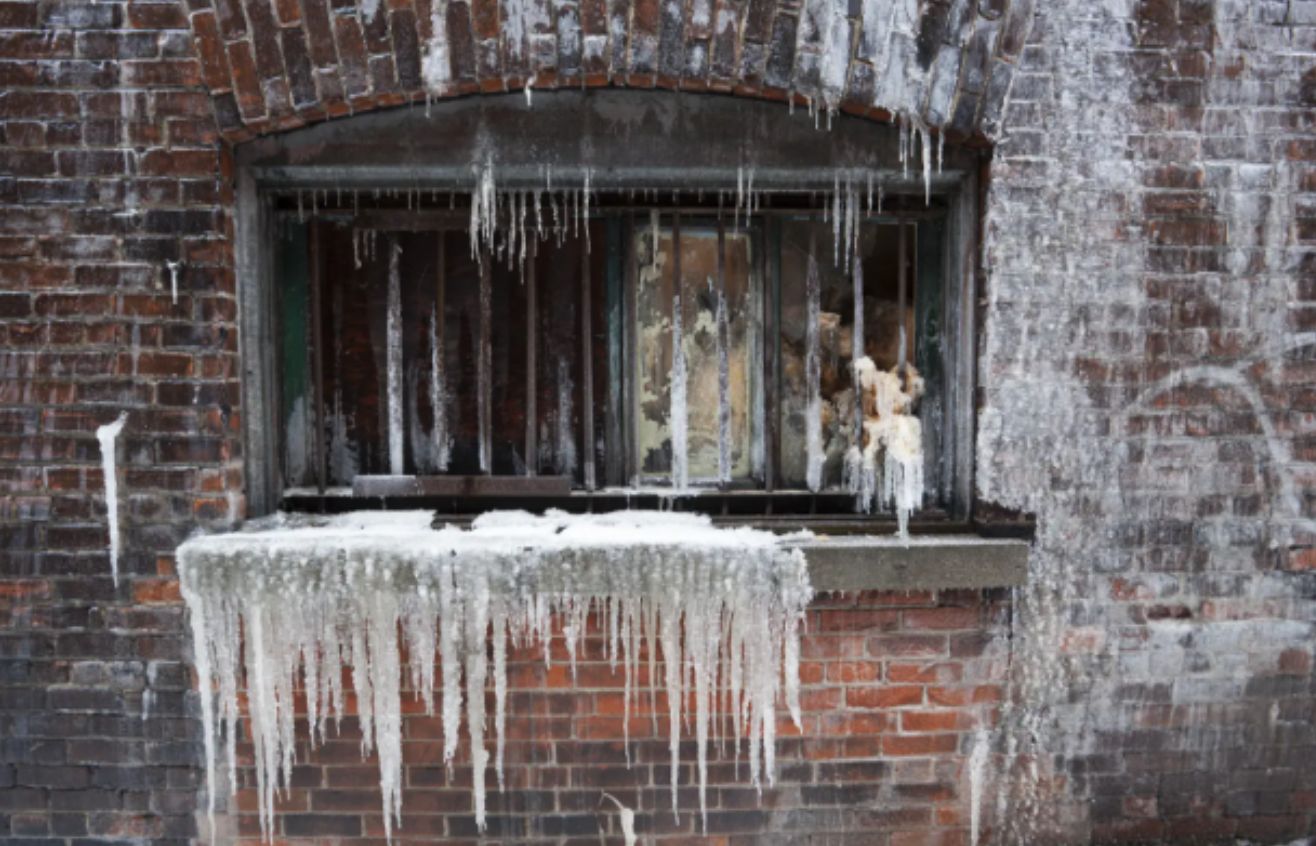
When temperatures drop below freezing, that moisture can freeze and expand inside the masonry.
When temperatures rise again, the ice melts.
Repeating this process throughout the winter can gradually weaken both brick and mortar.
Over time, homeowners may begin to notice:
- Cracked bricks
- Flaking brick surfaces
- Crumbling mortar
- Loose masonry
- Widening cracks
- Surface deterioration
Even small cracks can become worse after repeated exposure to freezing temperatures.
Why Moisture Is Such a Problem for Brick
Brick is durable, but it is also porous.
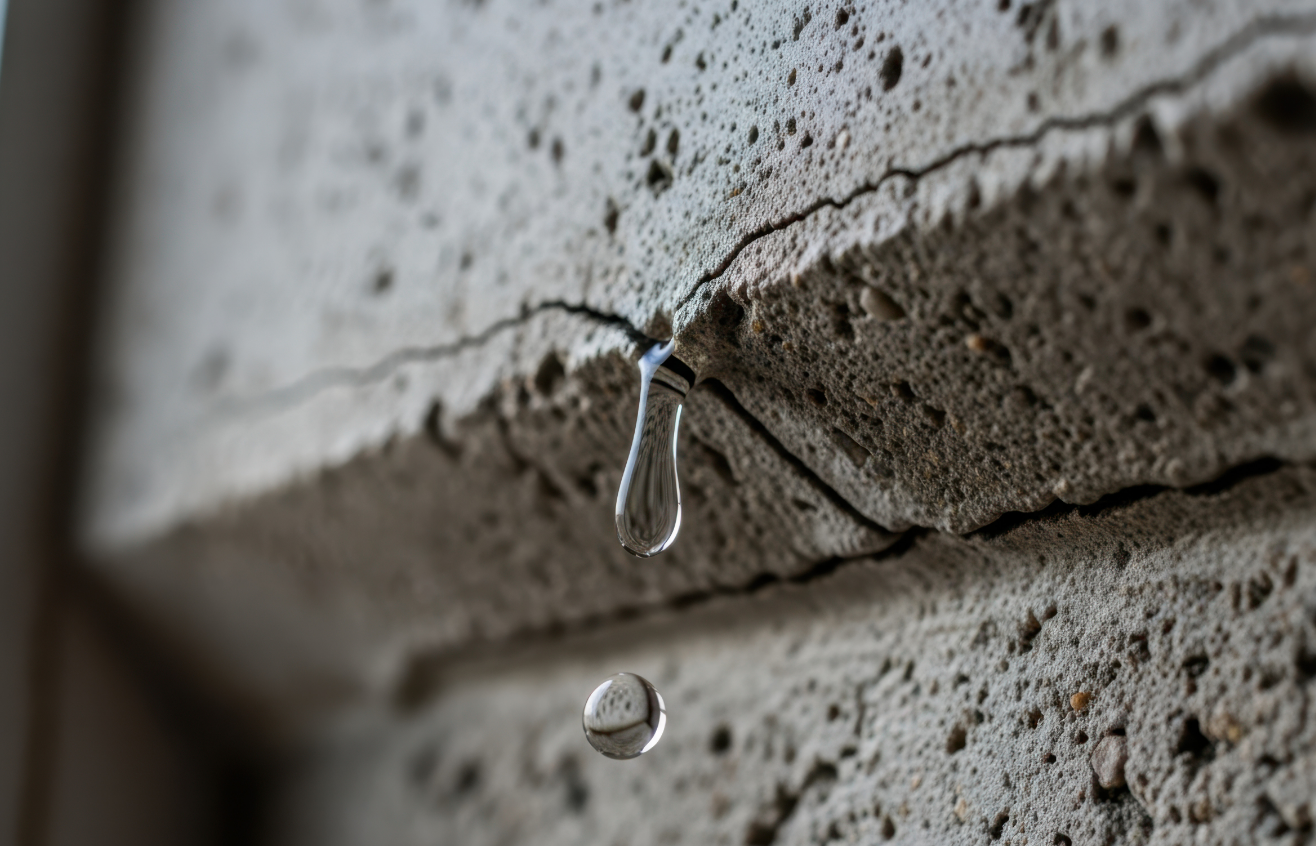
That means water can enter small openings in the masonry.
Moisture may come from:
- Rain
- Melting snow
- Ice buildup
- Damaged flashing
- Leaking eavestroughs
- Cracked mortar joints
- Damaged chimney crowns
- Poor drainage
Once water enters the masonry, freezing temperatures can accelerate deterioration.
Keeping moisture out is one of the most important ways to protect brick homes during winter.
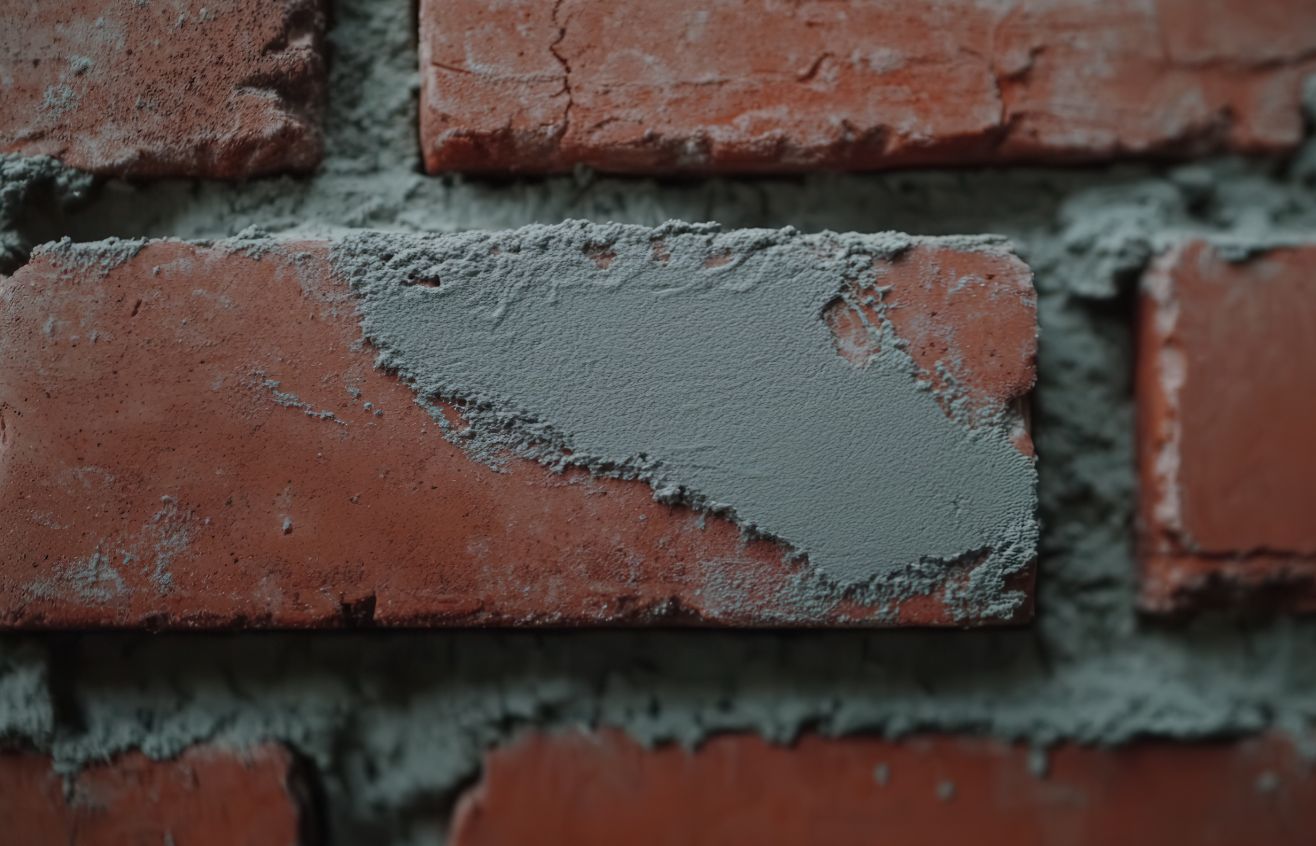
Spalling Brick
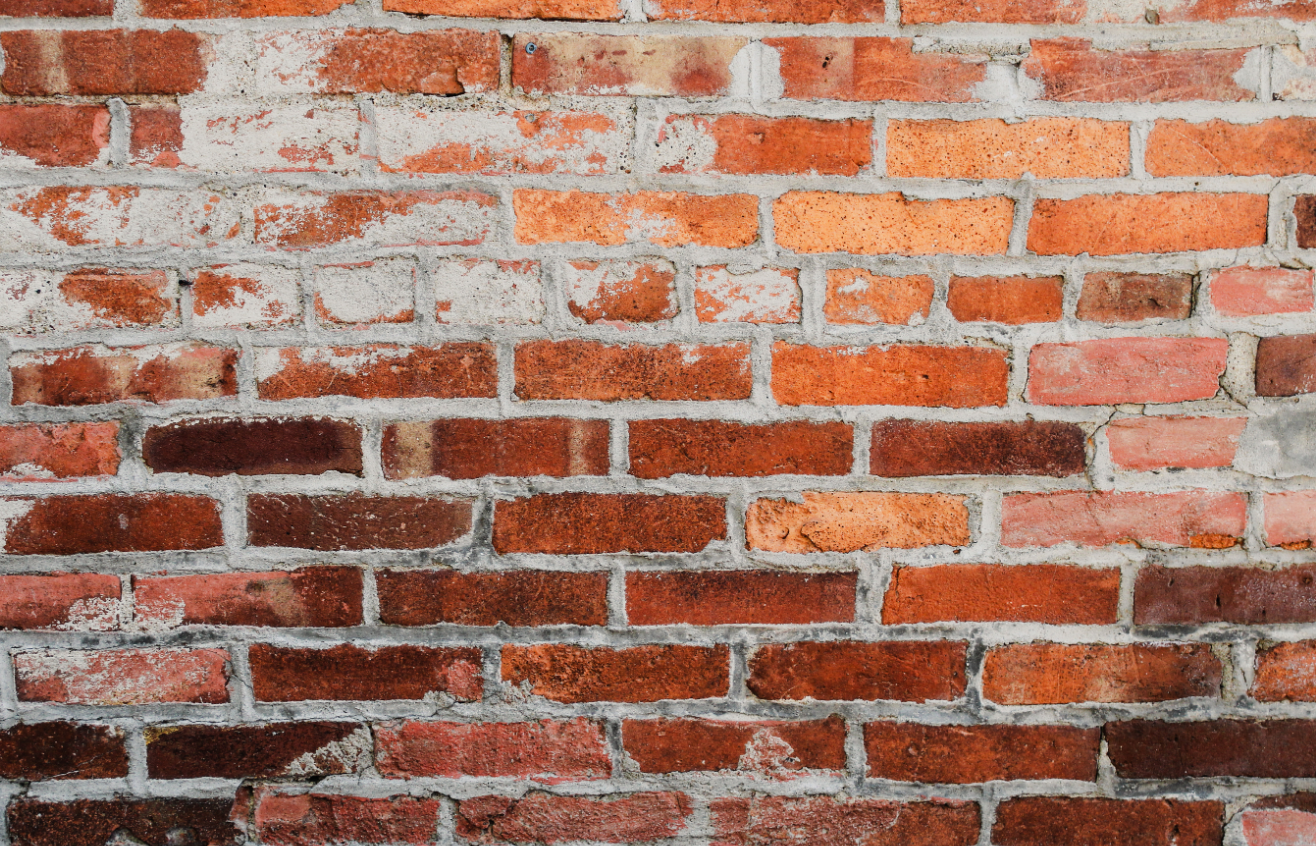
Spalling is one of the most common signs of freeze-thaw damage.
It occurs when the outer surface of a brick begins to flake, peel or break away.
Homeowners may notice:
- Pieces of brick on the ground
- Rough or pitted brick surfaces
- Crumbling corners
- Exposed inner sections of brick
- Bricks that appear to be peeling
Spalling often becomes more noticeable after winter because months of freezing and thawing can weaken moisture-damaged brick.
Individual bricks can sometimes be replaced if the damage is limited.
Widespread spalling may indicate a larger moisture problem that should be addressed before more repairs are completed.
Crumbling Mortar Joints
Mortar joints are another common area of winter damage.
Over time, mortar can become weaker due to moisture, age and temperature changes.
Once mortar begins to crack or crumble, water can enter the wall more easily.
Signs of deteriorating mortar include:
- Gaps between bricks
- Loose mortar
- Deep or recessed joints
- Cracks along mortar lines
- Pieces of mortar falling away
Repointing can remove deteriorated mortar and replace it with new material while preserving the surrounding brick.
Repairing failing mortar can also help reduce future moisture penetration.
Cracks Can Become Worse During Winter
Small cracks in masonry may not look serious at first.
But when moisture enters those cracks and freezes, the expansion can cause them to grow.
This can affect:
- Exterior brick walls
- Chimneys
- Window and door openings
- Foundation masonry
- Stonework
- Mortar joints
Homeowners should pay attention to cracks that become wider, longer or more noticeable after winter.
Recurring cracks may also indicate movement that should be assessed before simply filling the damaged area.
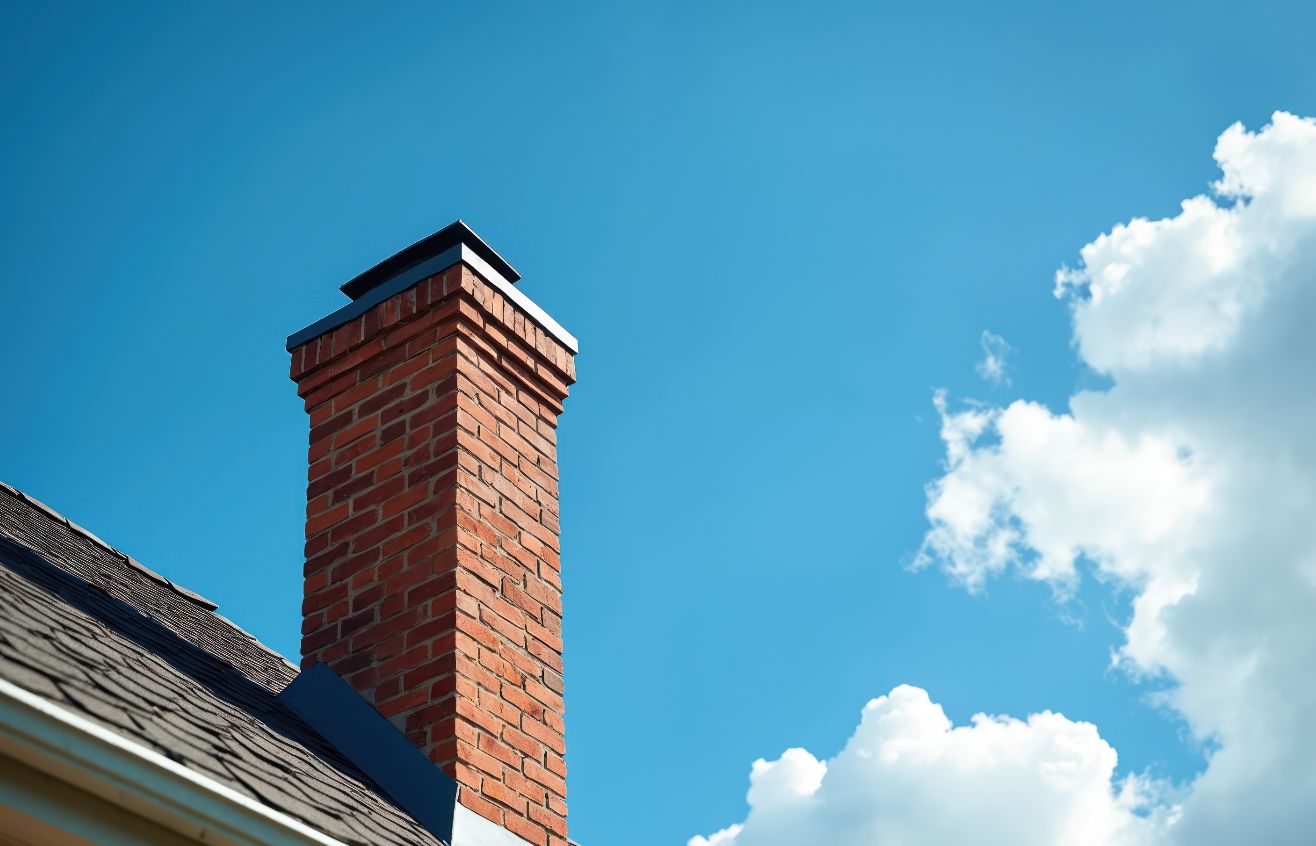
Winter Damage to Chimneys
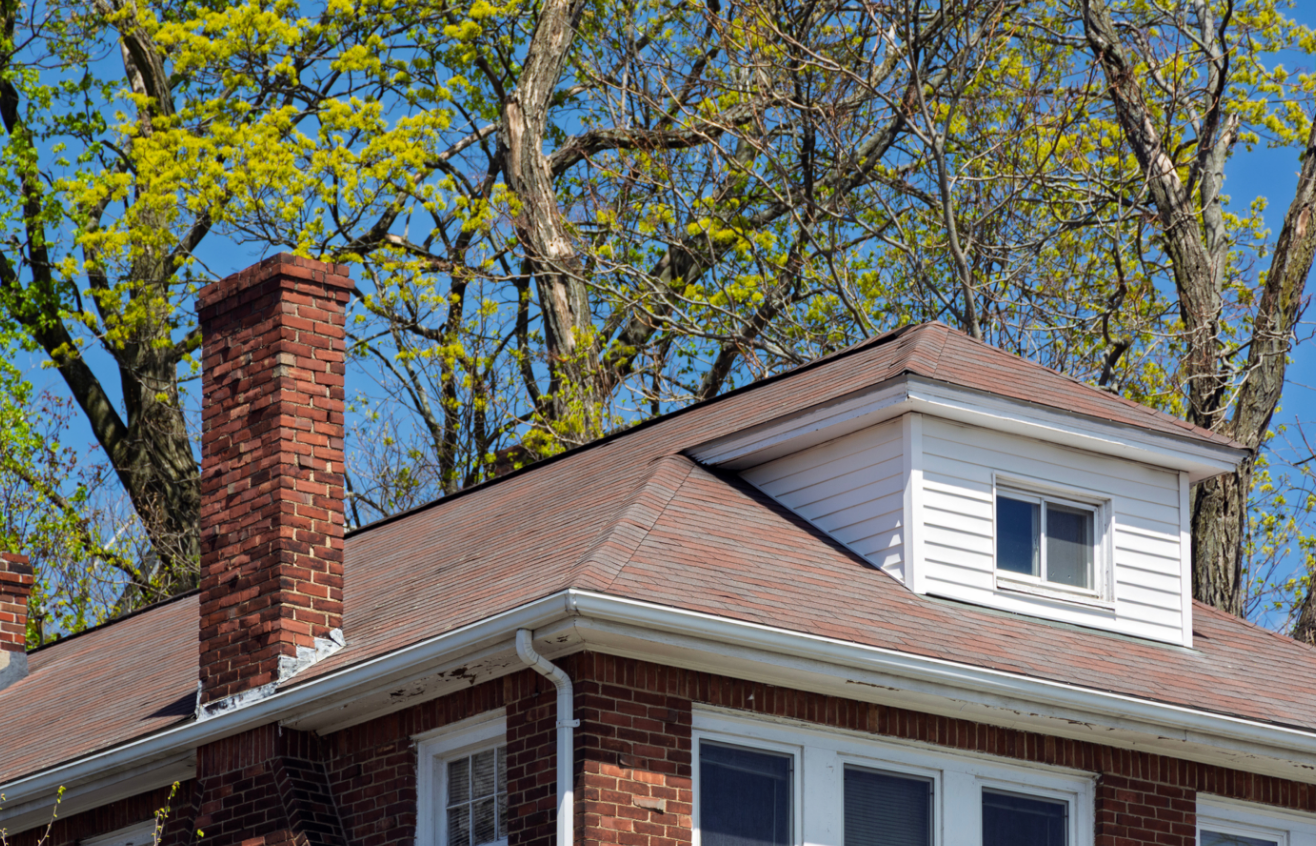
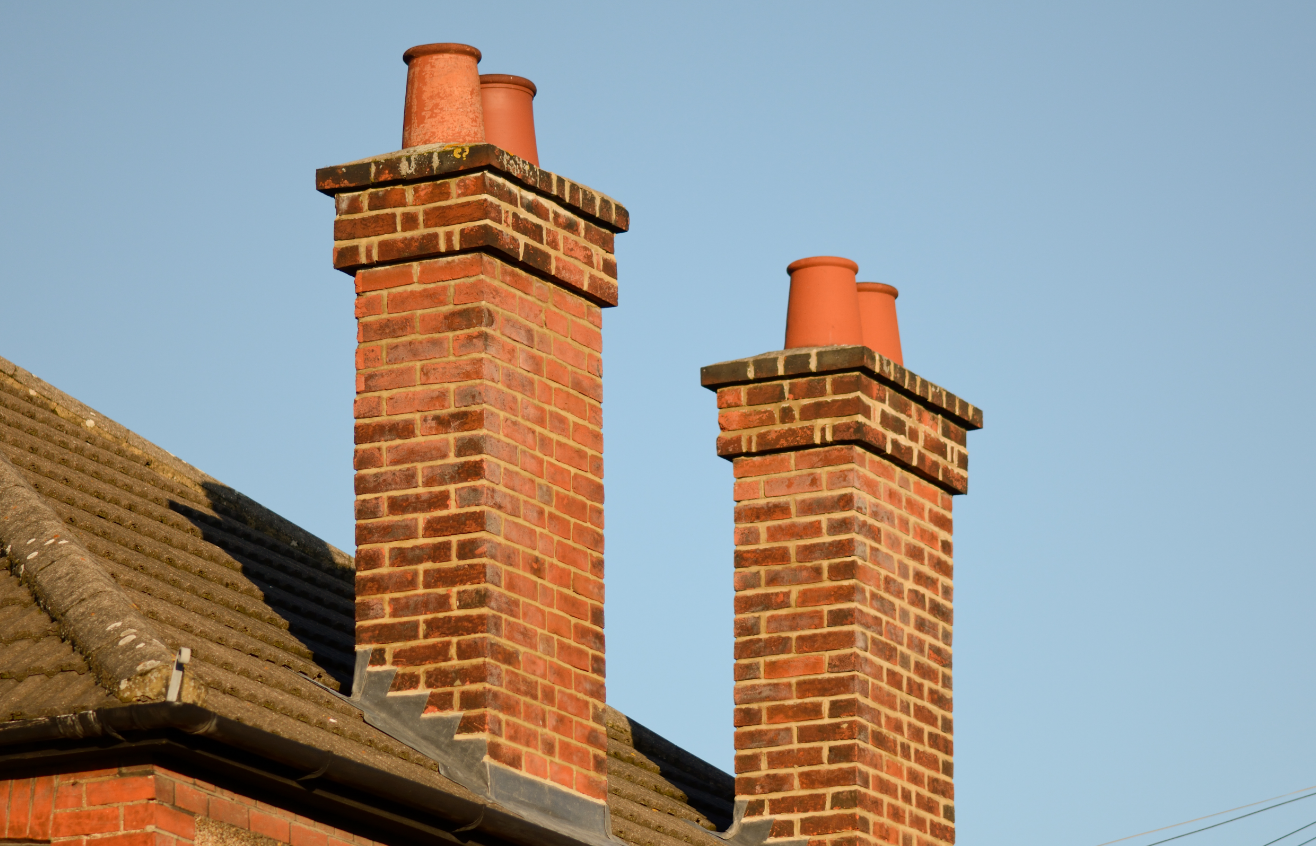
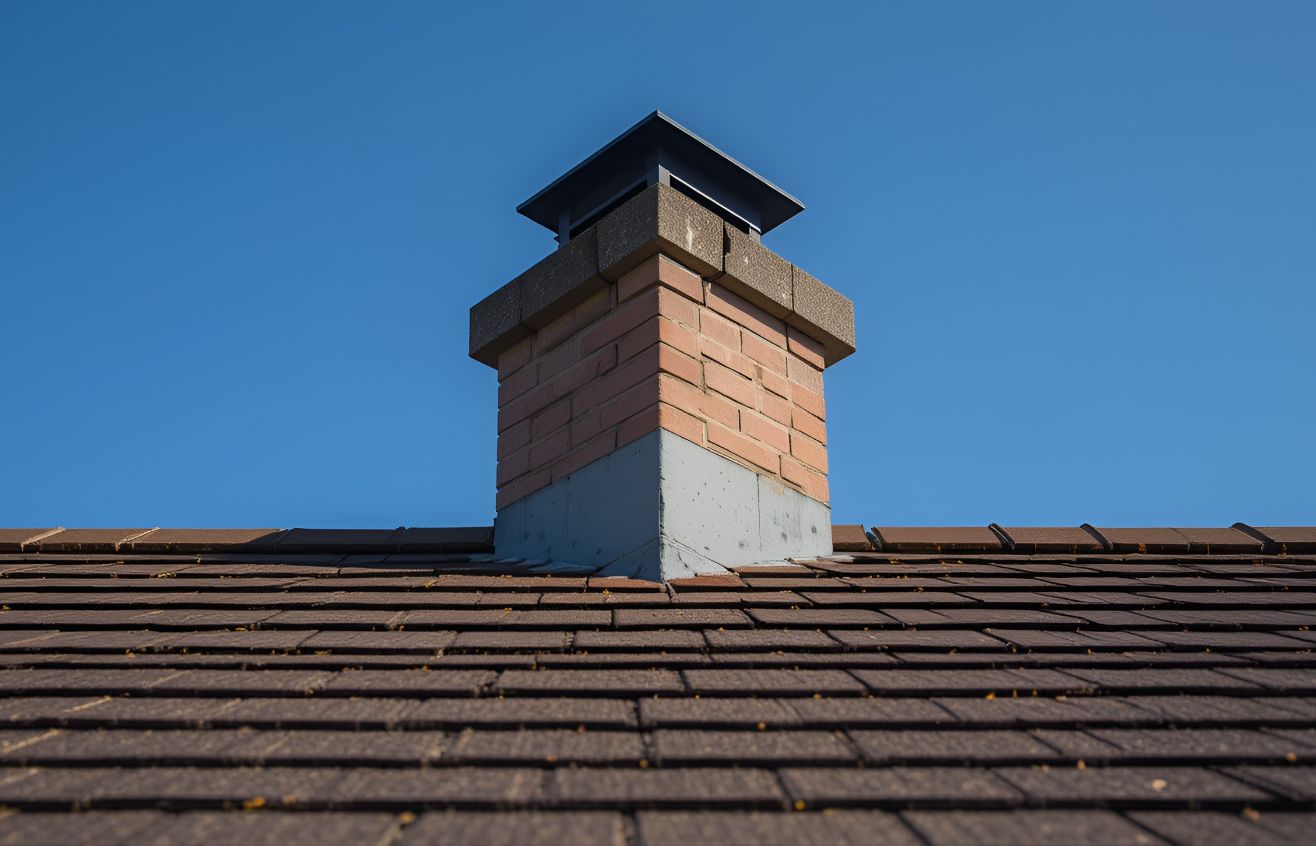
Chimneys are especially vulnerable because they are exposed above the roofline.
They receive direct exposure to rain, snow, wind, ice and changing temperatures.
Common winter chimney problems include:
- Cracked chimney crowns
- Spalling bricks
- Deteriorating mortar
- Loose bricks
- Water penetration
- Failed flashing
- Cracks in the masonry
A damaged chimney crown can allow water to enter the brickwork below.
Once moisture gets inside, freeze-thaw cycles can cause deterioration to spread.
Repairing chimney damage early can often prevent the need for a more extensive rebuild.
Snow and Ice Buildup
Snow itself is not necessarily harmful to brick.
The problem occurs when snow melts and water enters damaged or porous masonry.
If temperatures drop again, that water can freeze inside the brick or mortar.
Ice can also build up around areas with poor drainage.
Homeowners should keep an eye on locations where snow repeatedly collects against exterior masonry.
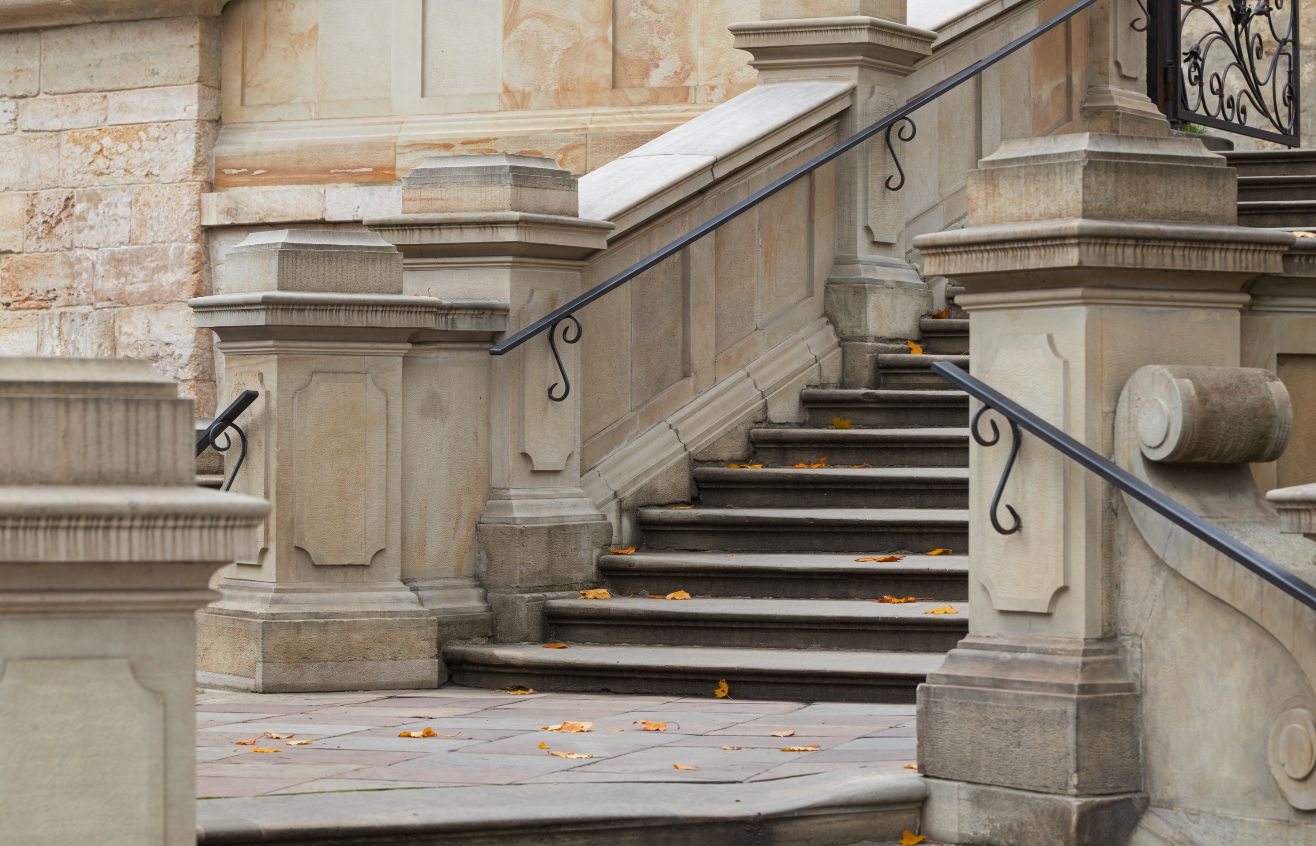
Salt Can Damage Masonry
De-icing salts can also contribute to masonry deterioration.
Salt used on sidewalks, steps and driveways can be transferred onto nearby brick or stone.
Over time, repeated exposure may contribute to surface deterioration or staining.
This is especially important around:
- Brick steps
- Walkways
- Porches
- Retaining walls
- Entranceways
Using de-icing products carefully and keeping unnecessary salt away from masonry can help reduce damage.
Efflorescence After Winter
Homeowners may notice white powdery staining on brick after winter.
This is called efflorescence.
It occurs when moisture travels through brick or mortar and carries naturally occurring salts to the surface.
Once the water evaporates, the salts remain behind.
Efflorescence itself is usually not a structural problem, but recurring or heavy deposits can be a sign that excess moisture is moving through the masonry.
Finding the source of that moisture is more important than simply cleaning the surface.
What Should Homeowners Check in Spring?
Spring is a good time to inspect exterior masonry after months of freezing temperatures.
Look for:
- New cracks
- Loose bricks
- Flaking or spalling surfaces
- Crumbling mortar
- Water staining
- White deposits
- Damaged chimney masonry
- Cracks above windows and doors
- Bulging or shifting brickwork
It is also worth checking drainage around the home, including eavestroughs and downspouts.
Proper drainage helps keep unnecessary water away from exterior masonry.
Can Winter Masonry Damage Be Prevented?
Not all deterioration can be prevented, especially as brick and mortar age.
However, routine maintenance can significantly reduce the risk.
Homeowners can help protect their masonry by:
- Repairing cracks early
- Repointing deteriorating mortar
- Fixing leaking eavestroughs
- Maintaining proper drainage
- Repairing damaged flashing
- Fixing chimney crown damage
- Replacing severely spalled bricks
- Having recurring masonry issues inspected
Small repairs completed before winter can help prevent moisture from entering the masonry and making the damage worse.
When Should You Call a Masonry Contractor?
Consider having your masonry inspected if you notice:
- Widespread spalling
- Growing cracks
- Loose brick
- Crumbling mortar
- Bulging walls
- Leaning chimney masonry
- Repeated water damage
- Sections of brick pulling away from the home
The sooner the cause of the damage is identified, the easier it may be to repair before another winter season.
Masonry Repair in Ontario
Ontario winters can be tough on brick, but early repairs and proper maintenance can help extend the lifespan of your masonry.
Chameleon Masonry provides professional brick repair, repointing, chimney repair and masonry restoration services throughout Barrie and surrounding communities.
If you notice cracks, spalling, deteriorating mortar or other signs of winter masonry damage, our team can assess the condition of the brickwork and recommend the appropriate repair.
Contact Chameleon Masonry today to request a quote for masonry repair.
.png)
.png)



.png)
.png)




.png)
.png)







.jpg)
.jpg)
.jpg)
.jpg)
.jpg)
.jpg)
.jpg)
.jpg)
.jpg)
.jpg)
.jpg)
.jpg)
.jpg)
.jpg)
.jpg)
.jpg)
.jpg)
.jpg)
.jpg)
.jpg)
.jpg)
.jpg)
.jpg)
.jpg)
.jpg)
.jpg)
.jpg)
.jpg)
.jpg)
.jpg)
.jpg)
.jpg)
.jpg)

Contact Us For A Free Consultation
Have questions or ready to start your masonry restoration project? Our dedicated team of masonry experts are here to help. Whether you’re exploring historical restoration, custom masonry modifications, or need expert brick repair, we’re just a call or click away.